THE ADVENTURE COLLECTIVE® · Independent discovery and booking for outdoor travel

Trade Guadalajara’s bustle for open water and cobbled lanes on a full‑day trip to Lake Chapala and Ajijic. Walk the malecón, visit a historic train façade, and enjoy lakeside cuisine with views of Mexico’s largest freshwater lake.
Trade Guadalajara’s bustle for open water and cobbled lanes on a full‑day trip to Lake Chapala and Ajijic. Walk the malecón, visit a historic train façade, and enjoy lakeside cuisine with views of Mexico’s largest freshwater lake.
A cool breeze off Mexico’s largest freshwater body lifts the dust from the boardwalk as you step down from the minivan and your guide gestures toward the wide, reflective skin of Lake Chapala. The boardwalk hums with fishermen, vendors, and families pausing to watch quetzal-like swifts slice low across the water; Ajijic’s red-tile roofs crouch against the hills behind, paint-stained and steady.
Verified experiences and guided adventures in the surrounding area.
Operated by Mexitours · Ajijic, Jalisco
A cool breeze off Mexico’s largest freshwater body lifts the dust from the boardwalk as you step down from the minivan and your guide gestures toward the wide, reflective skin of Lake Chapala. The boardwalk hums with fishermen, vendors, and families pausing to watch quetzal-like swifts slice low across the water; Ajijic’s red-tile roofs crouch against the hills behind, paint-stained and steady.
Lake Chapala formed in a tectonic basin where the Sierra Madre Occidental shoulders the plain; its shallow margins have shaped local towns for centuries. Chapala town grew in the late 19th and early 20th centuries as a lakeside getaway for Guadalajara, while Ajijic developed a notable expatriate and artist community after the Mexican Revolution—walk its streets and you’ll find colonial façades, murals, and bilingual cafés. Geologically, the lake’s shallow depth and seasonal level changes create broad reed beds that attract migratory birds and long vistas that feel unexpectedly expansive so close to the city.
On a typical day trip from Guadalajara you’ll visit the historic train station façade (c.1920), stroll Chapala’s malecón, and stop for lakeside dining in Ajijic—menus here mix Jaliscan staples with fresh fish and lakeside specialties. Expect light walking on cobbled lanes and a few stair sections in Ajijic.
Practical guidance: bring sun protection, cash for small vendors, and comfortable shoes for uneven sidewalks. The tour runs roughly 8–9 hours with hotel pickup options in central Guadalajara; it’s a relaxed, low‑effort cultural outing suitable for most travelers keen to trade city streets for open water and artisan galleries for an afternoon.
easy.
8–9 hours.
Suitable for most fitness levels; requires light walking on uneven surfaces and some stairs.
Yes — pickup is offered from downtown Guadalajara hotels; the tour operator confirms the exact pickup point after booking.
Meals are not specified as included; the itinerary ends at a riverside restaurant in Ajijic where you can order a la carte.
Yes — the tour is rated easy and suitable for most ages, though there is walking on cobbles and short stairs.
Most stops (boardwalk, town strolls) don’t require admission; special museums or private attractions may have separate fees.
Lake Chapala has been a regional water source and social hub since pre‑colonial times; the nearby towns grew in prominence during the late 19th and early 20th centuries as lakeside retreats.
Lake levels and water quality fluctuate; local groups work on shoreline restoration and bird habitat protection—avoid littering and support responsible vendors.
Mexitours operates guided outdoor trips and adventures with an emphasis on safety, stewardship, and memorable experiences.
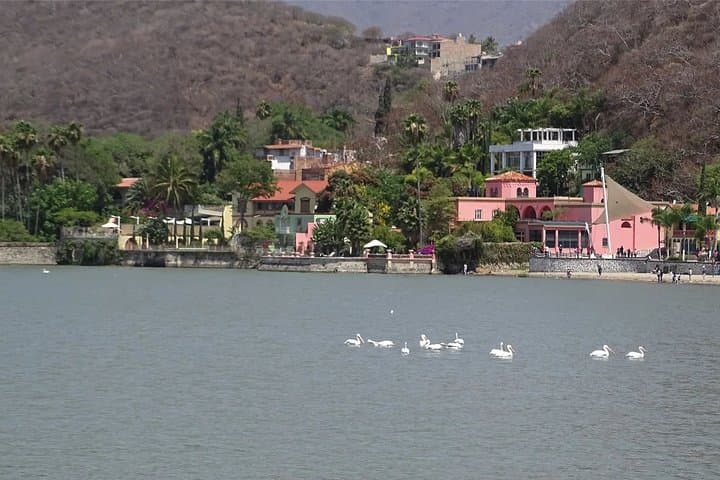
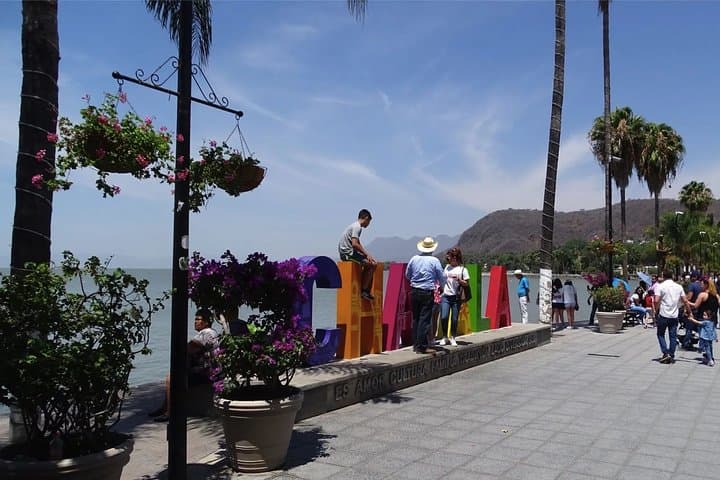
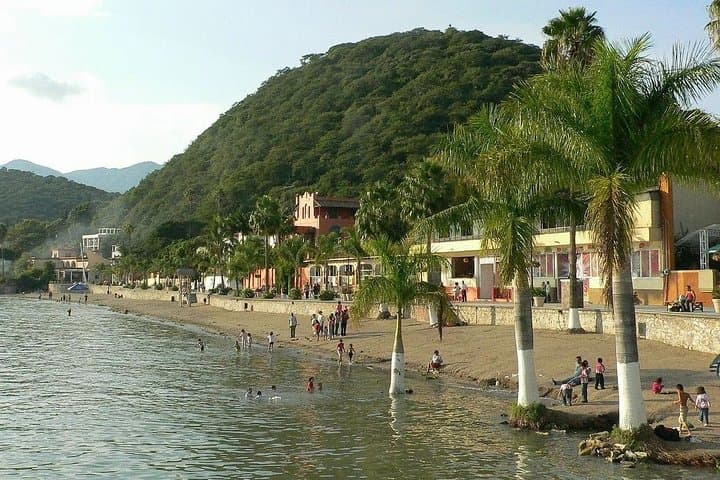
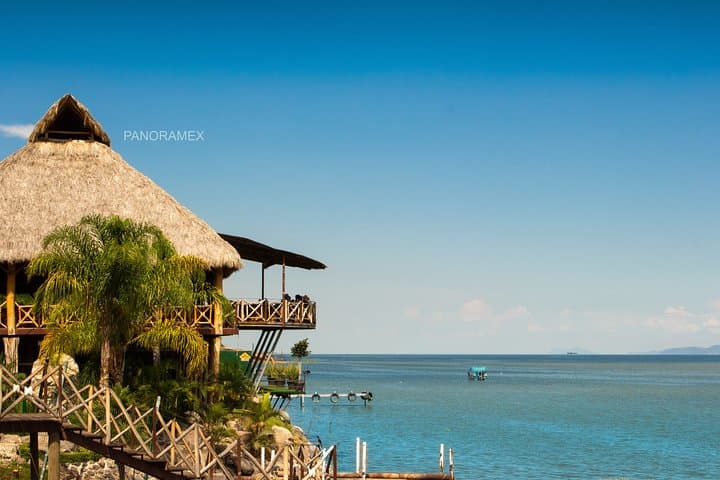
A cool breeze off Mexico’s largest freshwater body lifts the dust from the boardwalk as you step down from the minivan and your guide gestures toward the wide, reflective skin of Lake Chapala. The boardwalk hums with fishermen, vendors, and families pausing to watch quetzal-like swifts slice low across the water; Ajijic’s red-tile roofs crouch against the hills behind, paint-stained and steady.
A cool breeze off Mexico’s largest freshwater body lifts the dust from the boardwalk as you step down from the minivan and your guide gestures toward the wide, reflective skin of Lake Chapala. The boardwalk hums with fishermen, vendors, and families pausing to watch quetzal-like swifts slice low across the water; Ajijic’s red-tile roofs crouch against the hills behind, paint-stained and steady.
Lake Chapala formed in a tectonic basin where the Sierra Madre Occidental shoulders the plain; its shallow margins have shaped local towns for centuries. Chapala town grew in the late 19th and early 20th centuries as a lakeside getaway for Guadalajara, while Ajijic developed a notable expatriate and artist community after the Mexican Revolution—walk its streets and you’ll find colonial façades, murals, and bilingual cafés. Geologically, the lake’s shallow depth and seasonal level changes create broad reed beds that attract migratory birds and long vistas that feel unexpectedly expansive so close to the city.
On a typical day trip from Guadalajara you’ll visit the historic train station façade (c.1920), stroll Chapala’s malecón, and stop for lakeside dining in Ajijic—menus here mix Jaliscan staples with fresh fish and lakeside specialties. Expect light walking on cobbled lanes and a few stair sections in Ajijic.
Practical guidance: bring sun protection, cash for small vendors, and comfortable shoes for uneven sidewalks. The tour runs roughly 8–9 hours with hotel pickup options in central Guadalajara; it’s a relaxed, low‑effort cultural outing suitable for most travelers keen to trade city streets for open water and artisan galleries for an afternoon.