THE ADVENTURE COLLECTIVE® · Independent discovery and booking for outdoor travel

A long, high-energy day trip from Geneva puts you on Chamonix’s most famous slopes with sweeping views of Mont Blanc. Ideal for confident intermediates and advanced skiers, this outing mixes fast transfers, multi-area lift access, and rental gear for one intense alpine day.
A long, high-energy day trip from Geneva puts you on Chamonix’s most famous slopes with sweeping views of Mont Blanc. Ideal for confident intermediates and advanced skiers, this outing mixes fast transfers, multi-area lift access, and rental gear for one intense alpine day.
There’s a moment on the bus out of Geneva when the low, neat roofs of the city give way to pines and the massif steps forward—raw, white, and indifferent. By mid-morning the car park in Chamonix hums: boots click, breath fogs, and the Mont Blanc massif leans over the valley like a judge. A day trip here compresses alpine scale into manageable hours—enough time to taste steep couloirs, open faces, and the serious geometry of glacier-carved ridgelines.
Verified experiences and guided adventures in the surrounding area.
Operated by Keytours (Switzerland) · Chamonix-Mont-Blanc, Auvergne-Rhône-Alpes
There’s a moment on the bus out of Geneva when the low, neat roofs of the city give way to pines and the massif steps forward—raw, white, and indifferent. By mid-morning the car park in Chamonix hums: boots click, breath fogs, and the Mont Blanc massif leans over the valley like a judge. A day trip here compresses alpine scale into manageable hours—enough time to taste steep couloirs, open faces, and the serious geometry of glacier-carved ridgelines.
Chamonix has been drawing challengers since the 18th century, when a prize for the first ascent of Mont Blanc launched the age of alpinism. The town later hosted the first Winter Olympics in 1924 and has re-emerged as a proving ground for all-mountain skiing, from groomed descents to committed freeride lines. Geologically, the massif is a story in granite and ice: glaciers still scar the flanks, though retreat is visible season by season, and the valley funnels weather into sudden shifts—bluebird clarity one hour, wind-stung clouds the next.
Culture in Chamonix is practical and slightly theatrical: guides who speak three languages, old wood chalets that sell tartiflette, and shops that will fit you into boots with the patience of a surgeon. The trip from Geneva crosses a formal border—passport control can be matter-of-fact—so plan accordingly. Local etiquette is straightforward: respect closures, follow piste patrol instructions, and tip your instructor or guide for extra time spent boot-packing or exploring off the reds.
Practically speaking, this is a long day. Pickup in Geneva usually begins around 7:40–7:50 a.m.; expect roughly 1–1.5 hours transfer each way depending on traffic. The operator supplies a multi-area ski pass and rentals, and the itinerary typically routes skiers through two or three of Chamonix’s main sectors: Les Grands Montets for steep terrain, Brévent–Flégère for panoramic runs toward the valley, and Le Tour/Balme for more forgiving, north-facing slopes.
Prepare for variable conditions: temperatures can swing by 10–15°C between village and summit, wind is common on exposed ridges, and avalanche risk can change rapidly after fresh snow. Pack layered clothing, carry photo ID for customs, and arrive with realistic expectations—this is an intense, scenic day best suited to confident intermediates and advanced skiers who can handle off-piste exposure. For those who want to linger, the village rewards that extra chocolate and a slow walk past the river as dusk falls and the massif dims to blue.
In short, the Chamonix day trip is less a gentle introduction than a concentrated encounter: fast, vivid, and governed by the mountain’s rhythm. Come prepared, watch the weather, and let the massif set the pace.
challenging.
10 hours.
Good aerobic fitness and leg strength; able to ski continuously for multiple runs and handle high-altitude exposure.
Yes; pickups in Geneva involve a short international transfer into France, so carry valid photo ID or passport for customs.
The standard package does not include private lessons; rentals and a ski pass are included—book lessons separately if you need instruction.
The full excursion is about 10 hours; expect to return to Geneva late afternoon or early evening depending on traffic and time spent in the village.
Some areas visited offer off-piste options, but access depends on snow, avalanche risk, and the guide’s assessment; be prepared to stay on marked pistes if conditions demand.
Yes—helmets, skis or snowboard, and boots are listed in inclusions; confirm sizes when booking to avoid mismatches.
Children may participate but must be accompanied by an adult; operators note fitness and skill requirements and recommend appropriate age and ability for safe enjoyment.
Chamonix’s modern identity grew from the 1760 prize for Mont Blanc’s first ascent and was cemented when it hosted the inaugural Winter Olympics in 1924.
Glaciers in the massif are retreating; stay on marked routes, avoid disturbing fragile alpine vegetation, and follow local waste and piste etiquette to limit impact.
Keytours (Switzerland) operates guided outdoor trips and adventures with an emphasis on safety, stewardship, and memorable experiences.
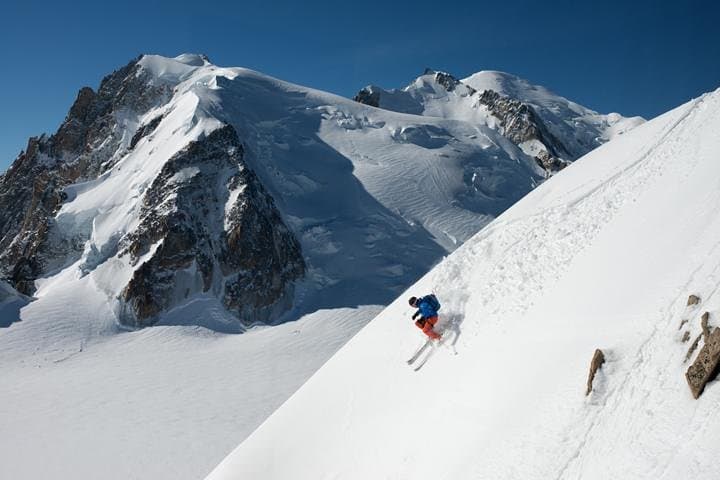
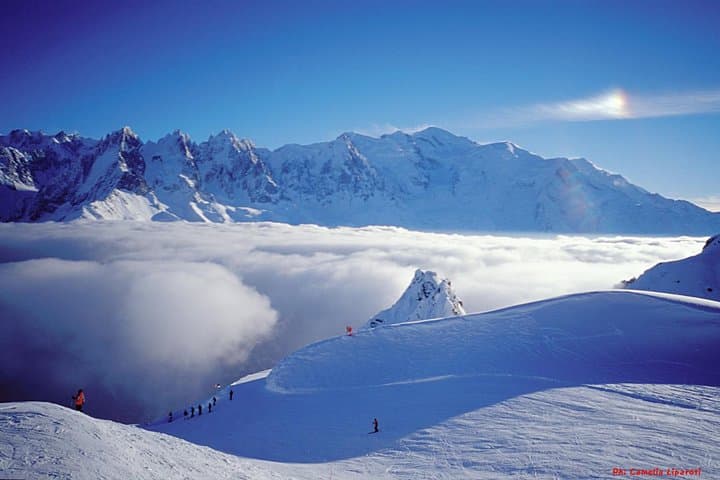
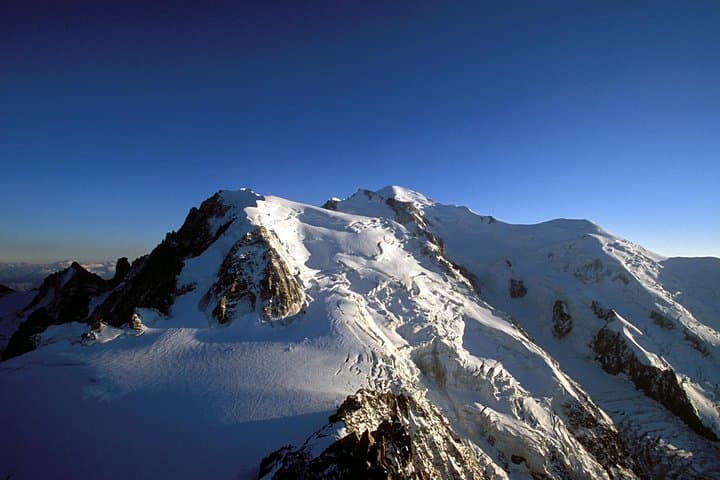
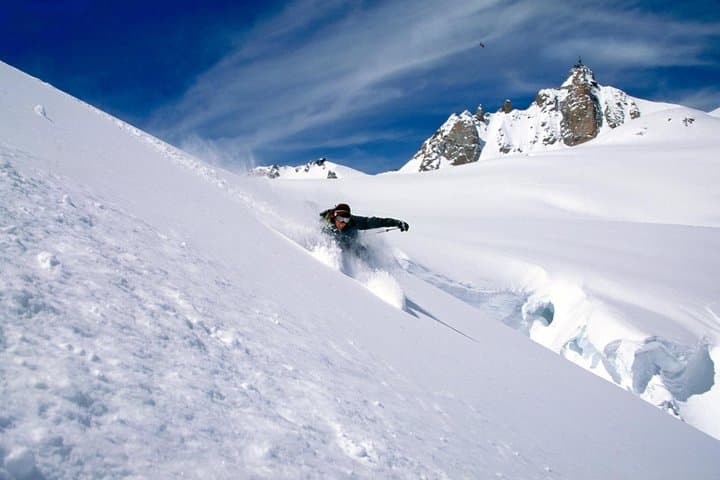
There’s a moment on the bus out of Geneva when the low, neat roofs of the city give way to pines and the massif steps forward—raw, white, and indifferent. By mid-morning the car park in Chamonix hums: boots click, breath fogs, and the Mont Blanc massif leans over the valley like a judge. A day trip here compresses alpine scale into manageable hours—enough time to taste steep couloirs, open faces, and the serious geometry of glacier-carved ridgelines.
There’s a moment on the bus out of Geneva when the low, neat roofs of the city give way to pines and the massif steps forward—raw, white, and indifferent. By mid-morning the car park in Chamonix hums: boots click, breath fogs, and the Mont Blanc massif leans over the valley like a judge. A day trip here compresses alpine scale into manageable hours—enough time to taste steep couloirs, open faces, and the serious geometry of glacier-carved ridgelines.
Chamonix has been drawing challengers since the 18th century, when a prize for the first ascent of Mont Blanc launched the age of alpinism. The town later hosted the first Winter Olympics in 1924 and has re-emerged as a proving ground for all-mountain skiing, from groomed descents to committed freeride lines. Geologically, the massif is a story in granite and ice: glaciers still scar the flanks, though retreat is visible season by season, and the valley funnels weather into sudden shifts—bluebird clarity one hour, wind-stung clouds the next.
Culture in Chamonix is practical and slightly theatrical: guides who speak three languages, old wood chalets that sell tartiflette, and shops that will fit you into boots with the patience of a surgeon. The trip from Geneva crosses a formal border—passport control can be matter-of-fact—so plan accordingly. Local etiquette is straightforward: respect closures, follow piste patrol instructions, and tip your instructor or guide for extra time spent boot-packing or exploring off the reds.
Practically speaking, this is a long day. Pickup in Geneva usually begins around 7:40–7:50 a.m.; expect roughly 1–1.5 hours transfer each way depending on traffic. The operator supplies a multi-area ski pass and rentals, and the itinerary typically routes skiers through two or three of Chamonix’s main sectors: Les Grands Montets for steep terrain, Brévent–Flégère for panoramic runs toward the valley, and Le Tour/Balme for more forgiving, north-facing slopes.
Prepare for variable conditions: temperatures can swing by 10–15°C between village and summit, wind is common on exposed ridges, and avalanche risk can change rapidly after fresh snow. Pack layered clothing, carry photo ID for customs, and arrive with realistic expectations—this is an intense, scenic day best suited to confident intermediates and advanced skiers who can handle off-piste exposure. For those who want to linger, the village rewards that extra chocolate and a slow walk past the river as dusk falls and the massif dims to blue.
In short, the Chamonix day trip is less a gentle introduction than a concentrated encounter: fast, vivid, and governed by the mountain’s rhythm. Come prepared, watch the weather, and let the massif set the pace.