THE ADVENTURE COLLECTIVE® · Independent discovery and booking for outdoor travel

Cross Samaná Bay to Cayo Levantado—aka Bacardi Island—for a sun-drenched day of snorkeling, a beachside Dominican lunch, and the chance to spot dolphins or migrating whales. This shared boat trip is an accessible, easy-paced way to experience one of the region’s most photographed beaches.
Cross Samaná Bay to Cayo Levantado—aka Bacardi Island—for a sun-drenched day of snorkeling, a beachside Dominican lunch, and the chance to spot dolphins or migrating whales. This shared boat trip is an accessible, easy-paced way to experience one of the region’s most photographed beaches.
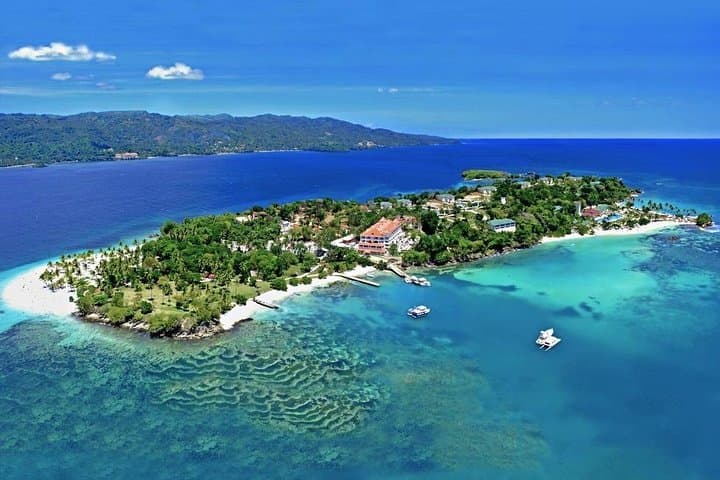
You step off the Malecon with salt on your lips and a small crowd of travelers and locals, the harbor full of bobbing hulls. The boat hums to life and Samaná Bay stretches wide, a glassy bowl daring you to cross it. Offshore, a low crescent of white sand—Cayo Levantado—waits like a brief clean contradiction to the lush, mountainous coast.
Verified experiences and guided adventures in the surrounding area.
Operated by The Whales Las Ballenas · Santa Bárbara de Samaná, Samaná Province
You step off the Malecon with salt on your lips and a small crowd of travelers and locals, the harbor full of bobbing hulls. The boat hums to life and Samaná Bay stretches wide, a glassy bowl daring you to cross it. Offshore, a low crescent of white sand—Cayo Levantado—waits like a brief clean contradiction to the lush, mountainous coast.
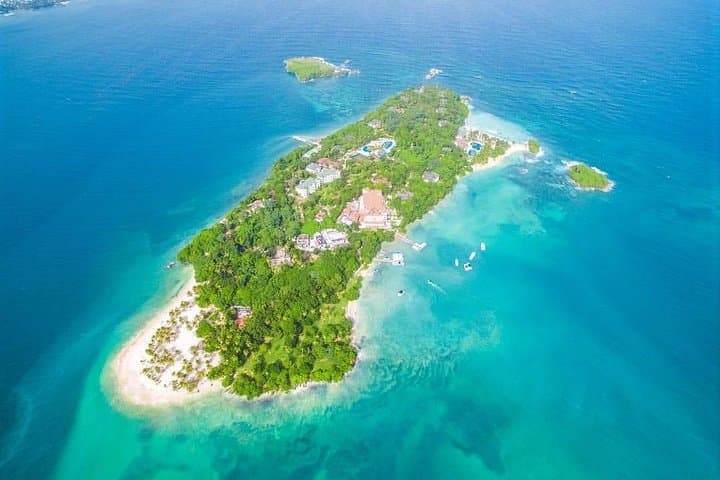
Cayo Levantado, commonly called Bacardi Island after a rum commercial that popularized its image, sits at the throat of Samaná Bay. Geologically the island is a spur of carbonate rock and sand shaped by currents and reef growth; beneath the surface, coral heads and seagrass meadows mark the lagoon where snorkelers paddle. Culturally, Samaná Province carries a strong Afro-Dominican heritage and the town of Santa Bárbara de Samaná has long been a crossroads for fishermen, boat builders, and now whale-watchers; humpback whales migrate into the bay each winter and sometimes breach within sight of the transfer boats.
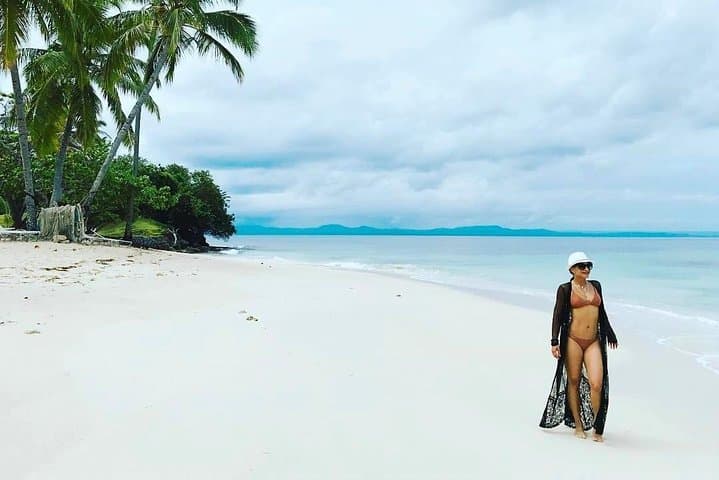
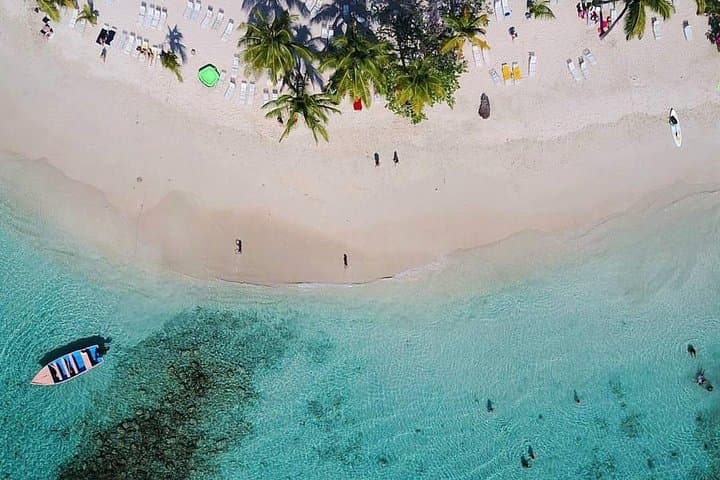
The day on this shared tour follows a straightforward, sun-forward rhythm: a scenic boat transfer across the bay, an hour of guided or free snorkeling over shallow reefs, and a typical Dominican lunch—rice, beans, plantains, grilled fish or chicken—served under palms alongside a Piña Colada. The beach is social and active: volleyball nets, hammocks, sunbeds and groups drifting between the surf and shade. For those seeking quieter corners, the island perimeter offers small coves and tide pools where the water takes on a calmer, greener tone.
Practical details matter. The trip runs roughly seven hours from the Malecon in Samaná; boat time can vary with sea conditions and the craft—expect 25–45 minutes each way on a catamaran or speedboat. Snorkeling equipment is provided, but visibility depends on wind and recent rain; shallow coral and snorkel-friendly fish are typical. The operator notes wheelchair accessibility and a relaxed fitness requirement: this is a beach day more than an expedition.
To get the most: arrive with reef-safe sunscreen and a light cover-up for the ride; bring a waterproof pouch for your phone and some cash for extras. If you travel in whale season (January–March), hold a binocular—pod sightings are often a bonus. Respect the reef: no touching coral and use designated entry points. The island is busy in high season, so early departures give you quieter snorkel windows.
Cayo Levantado is a day’s uncomplicated escape—salt air, accessible snorkeling, and a lunch that tastes better under palms. It’s the kind of place where the sea seems to push you toward slow afternoons and easy stories.
easy.
7 hours.
Suitable for people in average physical condition; minimal exertion required beyond short boat transfers and swimming.
Boat time typically ranges from 25 to 45 minutes each way depending on vessel type and sea conditions.
Yes—snorkeling equipment is provided, though visitors may bring their own mask or snorkel for comfort.
Dolphins are regularly seen; humpback whales frequent Samaná Bay during the winter months (roughly January–March) but sightings aren’t guaranteed.
The operator lists wheelchair accessibility for the transfer and island surfaces, but specific assistance options should be confirmed in advance via the provided contact info.
A typical Dominican lunch is included—often rice, beans, plantains and a choice of grilled fish or chicken—plus bottled water and a Piña Colada or similar drink options available for purchase.
This tour is sold as all sales final; cancellations are generally non-refundable and the operator can cancel for bad weather or insufficient travelers.
Cayo Levantado became widely known as ‘Bacardi Island’ after its image was used in an international rum campaign; the island sits within the long maritime history of Samaná Bay, a crossroads for fishermen and traders.
Reef health is vulnerable to sunscreen and careless anchoring—use reef‑safe products and follow local guidelines; operators often limit mooring to designated spots.
The Whales Las Ballenas operates guided outdoor trips and adventures with an emphasis on safety, stewardship, and memorable experiences.
You step off the Malecon with salt on your lips and a small crowd of travelers and locals, the harbor full of bobbing hulls. The boat hums to life and Samaná Bay stretches wide, a glassy bowl daring you to cross it. Offshore, a low crescent of white sand—Cayo Levantado—waits like a brief clean contradiction to the lush, mountainous coast.
You step off the Malecon with salt on your lips and a small crowd of travelers and locals, the harbor full of bobbing hulls. The boat hums to life and Samaná Bay stretches wide, a glassy bowl daring you to cross it. Offshore, a low crescent of white sand—Cayo Levantado—waits like a brief clean contradiction to the lush, mountainous coast.
Cayo Levantado, commonly called Bacardi Island after a rum commercial that popularized its image, sits at the throat of Samaná Bay. Geologically the island is a spur of carbonate rock and sand shaped by currents and reef growth; beneath the surface, coral heads and seagrass meadows mark the lagoon where snorkelers paddle. Culturally, Samaná Province carries a strong Afro-Dominican heritage and the town of Santa Bárbara de Samaná has long been a crossroads for fishermen, boat builders, and now whale-watchers; humpback whales migrate into the bay each winter and sometimes breach within sight of the transfer boats.
The day on this shared tour follows a straightforward, sun-forward rhythm: a scenic boat transfer across the bay, an hour of guided or free snorkeling over shallow reefs, and a typical Dominican lunch—rice, beans, plantains, grilled fish or chicken—served under palms alongside a Piña Colada. The beach is social and active: volleyball nets, hammocks, sunbeds and groups drifting between the surf and shade. For those seeking quieter corners, the island perimeter offers small coves and tide pools where the water takes on a calmer, greener tone.
Practical details matter. The trip runs roughly seven hours from the Malecon in Samaná; boat time can vary with sea conditions and the craft—expect 25–45 minutes each way on a catamaran or speedboat. Snorkeling equipment is provided, but visibility depends on wind and recent rain; shallow coral and snorkel-friendly fish are typical. The operator notes wheelchair accessibility and a relaxed fitness requirement: this is a beach day more than an expedition.
To get the most: arrive with reef-safe sunscreen and a light cover-up for the ride; bring a waterproof pouch for your phone and some cash for extras. If you travel in whale season (January–March), hold a binocular—pod sightings are often a bonus. Respect the reef: no touching coral and use designated entry points. The island is busy in high season, so early departures give you quieter snorkel windows.
Cayo Levantado is a day’s uncomplicated escape—salt air, accessible snorkeling, and a lunch that tastes better under palms. It’s the kind of place where the sea seems to push you toward slow afternoons and easy stories.