THE ADVENTURE COLLECTIVE® · Independent discovery and booking for outdoor travel

Skip the queues and step straight onto the terraces of Castel Sant'Elmo for sweeping views over Naples and the Bay of Naples. This guide covers what to expect inside the fort, how to get there, and practical tips to make the most of a two-hour visit.
Skip the queues and step straight onto the terraces of Castel Sant'Elmo for sweeping views over Naples and the Bay of Naples. This guide covers what to expect inside the fort, how to get there, and practical tips to make the most of a two-hour visit.
You arrive on Vomero as the city spreads below like a living map: rust-red roofs, the curve of the bay, and Mount Vesuvius holding the horizon. Castel Sant'Elmo occupies the high point, a compact star-shaped fort whose ramparts throw wide, unobstructed views that demand more than a quick glance. With a skip-the-line ticket, the fortress throws open its terraces quickly — a practical boon when the summer afternoons fill with tour buses and school groups.
Verified experiences and guided adventures in the surrounding area.
Operated by Weekend in Italy · Naples, Campania
You arrive on Vomero as the city spreads below like a living map: rust-red roofs, the curve of the bay, and Mount Vesuvius holding the horizon. Castel Sant'Elmo occupies the high point, a compact star-shaped fort whose ramparts throw wide, unobstructed views that demand more than a quick glance. With a skip-the-line ticket, the fortress throws open its terraces quickly — a practical boon when the summer afternoons fill with tour buses and school groups.
The castle's story runs through Naples' shifting strategic priorities. A watchtower stood here in the Middle Ages; the complex was reshaped into a six-pointed bastion under later rulers to resist artillery and to control approaches to the city. Built on volcanic tuff, Sant'Elmo's thick walls and angled bastions are as much geology as architecture — stone cut from the same volcanic bedrock that frames the Bay of Naples and gives the city its dramatic topography.
Inside, spaces alternate between austere military geometry and unexpected domestic detail: whitewashed halls that once held garrisons, small chapels, and rooms repurposed as exhibition space. The castle functions today as both viewpoint and cultural site, often hosting contemporary exhibitions that contrast with centuries of stone. From the terraces, the city's neighborhoods wind down toward the water; ferries draw silver lines across the bay, and the silhouette of Vesuvius seems to measure your distance from the sea.
Practicalities matter here. The skip-the-line ticket shaves what can be a long wait, especially mid-morning and late afternoon. Guests typically spend 60–90 minutes exploring: a circuit of ramparts, a quick visit to the small on-site museum, and time for photos. Access from the Vomero funicular reduces the steep climb, but expect cobbled approaches and multiple stair sections once inside the fort.
Bring sturdy shoes for uneven stone, a light wind layer for exposed terraces, and water in summer — sunlight reflects off the masonry and the view offers little shade. Photographers should time a visit for golden hour; urban light softens and the bay takes on color. Note practical ticketing details before you go: confirmation is required on arrival, some reduced fares are only available in person at Italian monuments, and all sales are final on resale platforms.
Castel Sant'Elmo rewards minimal planning with maximum perspective. Whether you come for the history, the exhibitions, or the sweep of Naples beneath you, the place aligns geology, military engineering, and modern urban life into one of the city's clearest vantage points — and the right ticket makes the approach part of the plan, not the obstacle.
easy.
1–2 hours.
Suitable for most fitness levels — involves short walks and stair sections but no technical climbing.
It allows quicker access to the entrance queue — you still present your confirmation for immediate entry but may pass regular public lines.
Present the emailed or printed confirmation voucher at the attraction entrance; follow any specific instructions included with your booking.
Free and reduced-price tickets for EU youth and minors are available only by purchasing directly at Italian museums and monuments, not via all third-party sellers.
The site includes stair sections and steep ramps; while some areas are reachable, access to all ramparts may be limited — contact the site beforehand for details.
Yes — photography for personal use is allowed, and the terraces are among the best viewpoints in Naples; commercial shoots may require prior permission.
Take the funicular to Vomero (Piazza Vanvitelli), then walk uphill following signs for the castle; buses and taxis also serve the Vomero district.
The site evolved from a medieval watchtower into a star-shaped bastion under later rulers; its form reflects changes in artillery and coastal defense over centuries.
Visitors should stay on marked paths and respect exhibit areas — the site's stonework and exhibitions require careful preservation and low-impact visitation.
Weekend in Italy operates guided outdoor trips and adventures with an emphasis on safety, stewardship, and memorable experiences.

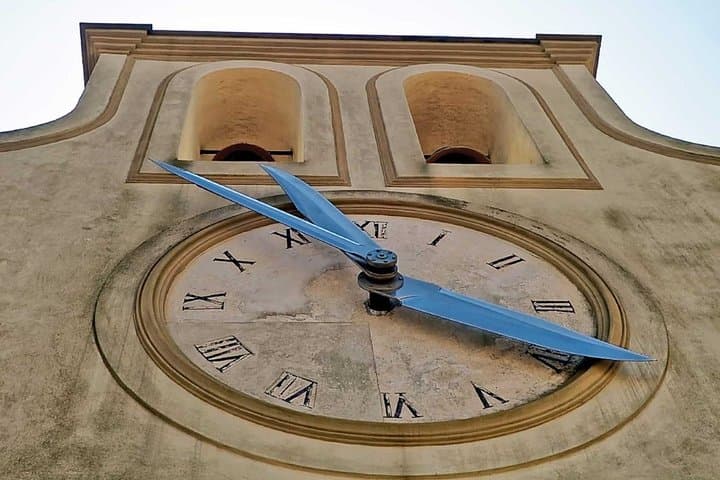
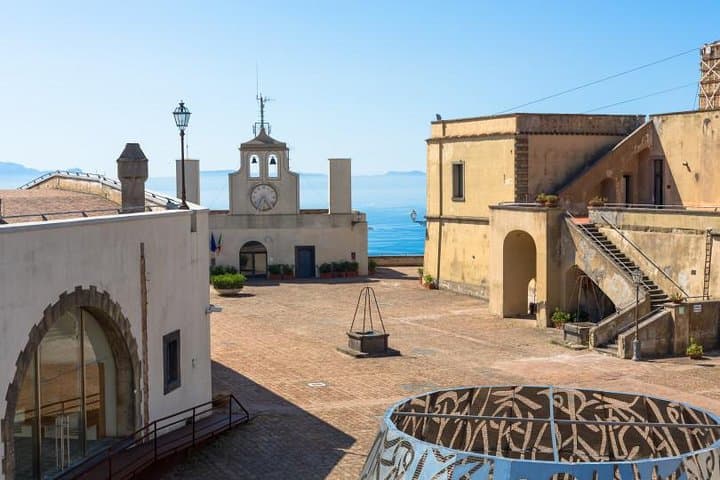
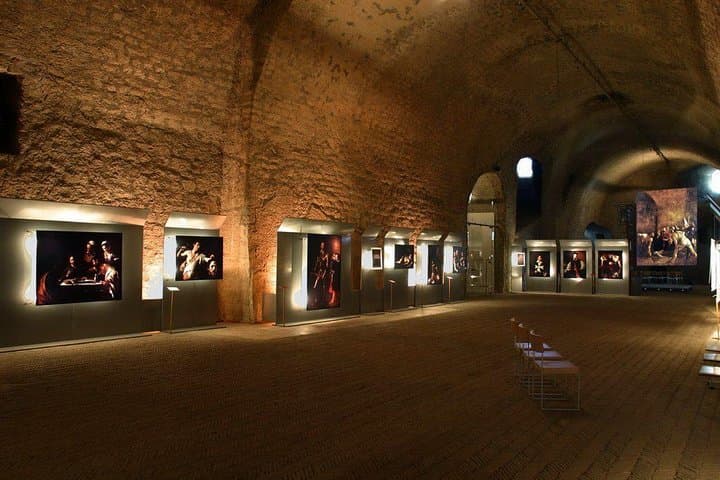
You arrive on Vomero as the city spreads below like a living map: rust-red roofs, the curve of the bay, and Mount Vesuvius holding the horizon. Castel Sant'Elmo occupies the high point, a compact star-shaped fort whose ramparts throw wide, unobstructed views that demand more than a quick glance. With a skip-the-line ticket, the fortress throws open its terraces quickly — a practical boon when the summer afternoons fill with tour buses and school groups.
You arrive on Vomero as the city spreads below like a living map: rust-red roofs, the curve of the bay, and Mount Vesuvius holding the horizon. Castel Sant'Elmo occupies the high point, a compact star-shaped fort whose ramparts throw wide, unobstructed views that demand more than a quick glance. With a skip-the-line ticket, the fortress throws open its terraces quickly — a practical boon when the summer afternoons fill with tour buses and school groups.
The castle's story runs through Naples' shifting strategic priorities. A watchtower stood here in the Middle Ages; the complex was reshaped into a six-pointed bastion under later rulers to resist artillery and to control approaches to the city. Built on volcanic tuff, Sant'Elmo's thick walls and angled bastions are as much geology as architecture — stone cut from the same volcanic bedrock that frames the Bay of Naples and gives the city its dramatic topography.
Inside, spaces alternate between austere military geometry and unexpected domestic detail: whitewashed halls that once held garrisons, small chapels, and rooms repurposed as exhibition space. The castle functions today as both viewpoint and cultural site, often hosting contemporary exhibitions that contrast with centuries of stone. From the terraces, the city's neighborhoods wind down toward the water; ferries draw silver lines across the bay, and the silhouette of Vesuvius seems to measure your distance from the sea.
Practicalities matter here. The skip-the-line ticket shaves what can be a long wait, especially mid-morning and late afternoon. Guests typically spend 60–90 minutes exploring: a circuit of ramparts, a quick visit to the small on-site museum, and time for photos. Access from the Vomero funicular reduces the steep climb, but expect cobbled approaches and multiple stair sections once inside the fort.
Bring sturdy shoes for uneven stone, a light wind layer for exposed terraces, and water in summer — sunlight reflects off the masonry and the view offers little shade. Photographers should time a visit for golden hour; urban light softens and the bay takes on color. Note practical ticketing details before you go: confirmation is required on arrival, some reduced fares are only available in person at Italian monuments, and all sales are final on resale platforms.
Castel Sant'Elmo rewards minimal planning with maximum perspective. Whether you come for the history, the exhibitions, or the sweep of Naples beneath you, the place aligns geology, military engineering, and modern urban life into one of the city's clearest vantage points — and the right ticket makes the approach part of the plan, not the obstacle.