THE ADVENTURE COLLECTIVE® · Independent discovery and booking for outdoor travel

A compact, private half-day that stitches together the wild cliffs of Cabo da Roca, windswept Guincho Beach and the little-visited Peninha Sanctuary. Expect short walks, dramatic coastal views and local history told by a guide who knows the region.
A compact, private half-day that stitches together the wild cliffs of Cabo da Roca, windswept Guincho Beach and the little-visited Peninha Sanctuary. Expect short walks, dramatic coastal views and local history told by a guide who knows the region.
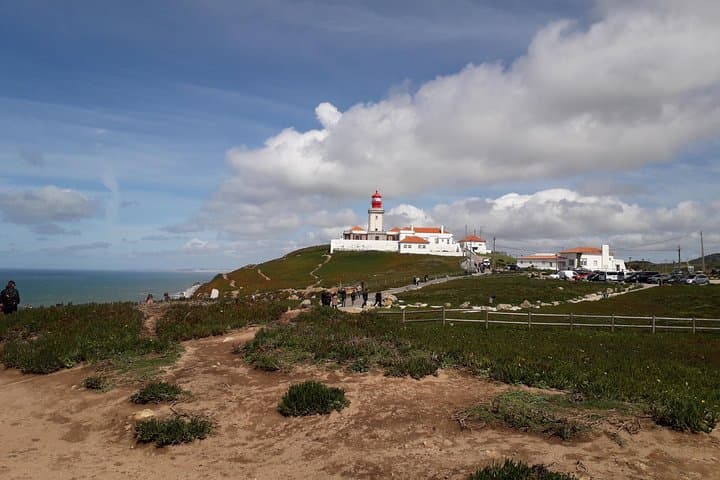
You step out of the minivan and the Atlantic greets you first — wind low and insistent, waves scraping the base of the cliffs like an impatient painter. At Cabo da Roca the cliff drops away in a broad, clean line; the view feels engineered to make you breathe slower. The guide points out the 16th-century beacon of maritime lore, and for a moment the noise of cars and phones falls away under the ocean’s cadence.
Verified experiences and guided adventures in the surrounding area.
Operated by Pipefly · Cascais, Lisbon
You step out of the minivan and the Atlantic greets you first — wind low and insistent, waves scraping the base of the cliffs like an impatient painter. At Cabo da Roca the cliff drops away in a broad, clean line; the view feels engineered to make you breathe slower. The guide points out the 16th-century beacon of maritime lore, and for a moment the noise of cars and phones falls away under the ocean’s cadence.
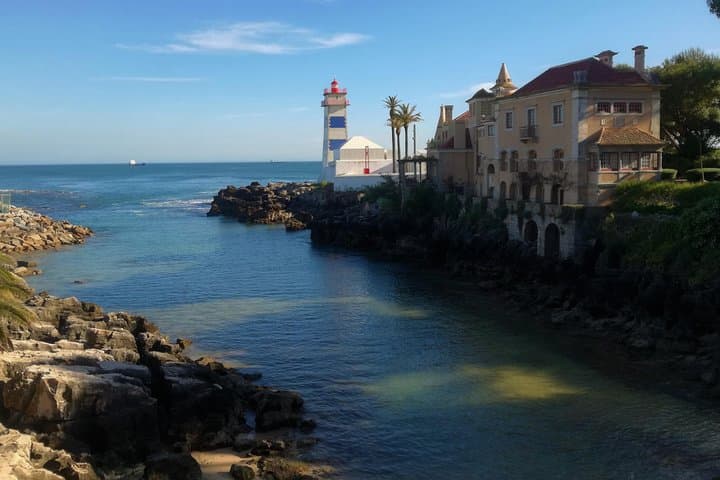
This private half-day tour threads the high points along the Sintra-Cascais Natural Park: quiet fishing villages, the stone steps to Peninha Sanctuary, the wind-swept expanse of Guincho Beach, the crescent of Cresmina dunes and the theatrical collapse at Boca do Inferno. Geologically the coast tells its story in layers — hard limestone cliffs thrust by ancient tectonics and softer dunes sculpted by sea and wind. Culturally, Cascais itself is a compact lesson in Portugal’s turn-of-the-century leisure: palatial summer homes, a narrow old town where fishermen once sold their catch and, more recently, a restaurant scene that keeps fresh sardines honest.
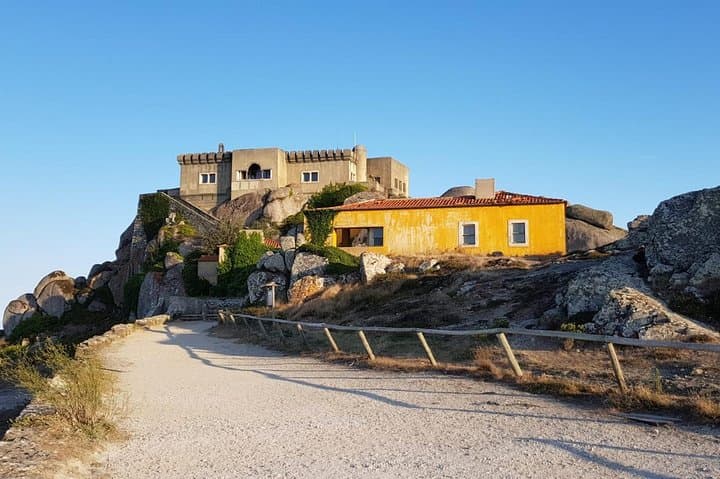
Peninha Sanctuary has a local legend reaching to the 1500s: a monk’s hermitage perched above the scrub, small and stubborn against the wind. The sanctuary’s stone and ironwork feel older than the map — a reminder that these headlands have been both refuge and lookout for centuries. Cabo da Roca, marked as the westernmost point of continental Europe, is measured in dramatic verticals: cliffs rising more than 140 meters above an Atlantic that always seems to be trying to redraw the coastline.
Practicalities matter. The tour lasts about five hours and includes roughly 3 km of walking on uneven paths and paved promenades. Expect short climbs and some stairs at Peninha and the Cascais old town. Wear sturdy shoes with grip; the cliffs are dramatic but unforgiving. Bring a windproof jacket — the Atlantic often arrives with its own agenda — sunscreen, a refillable water bottle and a small daypack. Photography buffs should time a stop at Cabo da Roca for late afternoon light or hit Guincho at sunrise for long shadows across the dunes.
This itinerary is compact but paced; stops for coffee and photos are built in, and groups are private with a max of eight people, so the guide can adjust walking intensity and linger where you want. Pickup and drop-off are offered from Lisbon, Cascais, Sintra or Oeiras, making this an easy addition to a day in the region.
If you want sea air, coastal geology, a touch of monastic mystery and a tidy walk through Cascais’ historic streets, this tour stitches them together efficiently — the kind of half-day that leaves you ready to keep exploring rather than exhausted.
easy.
5 hours.
Suitable for most fitness levels; able to walk short distances (≈3 km) on uneven terrain and climb stairs.
About 3 km of walking in short segments: access to the Peninha Sanctuary, photo stops at Cabo da Roca and a guided walk through Cascais’ historic center.
Yes — pickup and drop-off are offered from Lisbon, Cascais, Sintra or Oeiras; provide your accommodation details when booking.
Yes; the tour is rated easy and suitable for most ages, though there are some steps and exposed viewpoints that require caution.
The tour covers guided narration, private transport and stops; admission fees are not required for the listed sites, but special attractions not listed would be extra.
The tour does not automatically cancel for weather; check with the operator if conditions are severe — they may reschedule for safety and comfort.
This is a private tour with a maximum of 8 people per booking, allowing the guide to tailor the pace and stops.
Cascais grew from a fishing village into a royal summer resort in the late 19th century after King Luís I established a summer palace there, spurring elegant villas and promenade culture.
The Sintra-Cascais Natural Park balances tourism with habitat protection; stick to marked trails to protect dune vegetation and nesting bird sites.
Pipefly operates guided outdoor trips and adventures with an emphasis on safety, stewardship, and memorable experiences.
You step out of the minivan and the Atlantic greets you first — wind low and insistent, waves scraping the base of the cliffs like an impatient painter. At Cabo da Roca the cliff drops away in a broad, clean line; the view feels engineered to make you breathe slower. The guide points out the 16th-century beacon of maritime lore, and for a moment the noise of cars and phones falls away under the ocean’s cadence.
You step out of the minivan and the Atlantic greets you first — wind low and insistent, waves scraping the base of the cliffs like an impatient painter. At Cabo da Roca the cliff drops away in a broad, clean line; the view feels engineered to make you breathe slower. The guide points out the 16th-century beacon of maritime lore, and for a moment the noise of cars and phones falls away under the ocean’s cadence.
This private half-day tour threads the high points along the Sintra-Cascais Natural Park: quiet fishing villages, the stone steps to Peninha Sanctuary, the wind-swept expanse of Guincho Beach, the crescent of Cresmina dunes and the theatrical collapse at Boca do Inferno. Geologically the coast tells its story in layers — hard limestone cliffs thrust by ancient tectonics and softer dunes sculpted by sea and wind. Culturally, Cascais itself is a compact lesson in Portugal’s turn-of-the-century leisure: palatial summer homes, a narrow old town where fishermen once sold their catch and, more recently, a restaurant scene that keeps fresh sardines honest.
Peninha Sanctuary has a local legend reaching to the 1500s: a monk’s hermitage perched above the scrub, small and stubborn against the wind. The sanctuary’s stone and ironwork feel older than the map — a reminder that these headlands have been both refuge and lookout for centuries. Cabo da Roca, marked as the westernmost point of continental Europe, is measured in dramatic verticals: cliffs rising more than 140 meters above an Atlantic that always seems to be trying to redraw the coastline.
Practicalities matter. The tour lasts about five hours and includes roughly 3 km of walking on uneven paths and paved promenades. Expect short climbs and some stairs at Peninha and the Cascais old town. Wear sturdy shoes with grip; the cliffs are dramatic but unforgiving. Bring a windproof jacket — the Atlantic often arrives with its own agenda — sunscreen, a refillable water bottle and a small daypack. Photography buffs should time a stop at Cabo da Roca for late afternoon light or hit Guincho at sunrise for long shadows across the dunes.
This itinerary is compact but paced; stops for coffee and photos are built in, and groups are private with a max of eight people, so the guide can adjust walking intensity and linger where you want. Pickup and drop-off are offered from Lisbon, Cascais, Sintra or Oeiras, making this an easy addition to a day in the region.
If you want sea air, coastal geology, a touch of monastic mystery and a tidy walk through Cascais’ historic streets, this tour stitches them together efficiently — the kind of half-day that leaves you ready to keep exploring rather than exhausted.