THE ADVENTURE COLLECTIVE® · Independent discovery and booking for outdoor travel

Spend 5–6 hours circling Cappadocia’s most iconic sites on the Red Tour: Zelve’s cave streets, the mushroom chimneys of Paşabağ, pottery in Avanos and the whimsy of Devrent. This guided day trip pairs geology, history and a hands-on pottery stop with lunch and hotel transfers.
Spend 5–6 hours circling Cappadocia’s most iconic sites on the Red Tour: Zelve’s cave streets, the mushroom chimneys of Paşabağ, pottery in Avanos and the whimsy of Devrent. This guided day trip pairs geology, history and a hands-on pottery stop with lunch and hotel transfers.
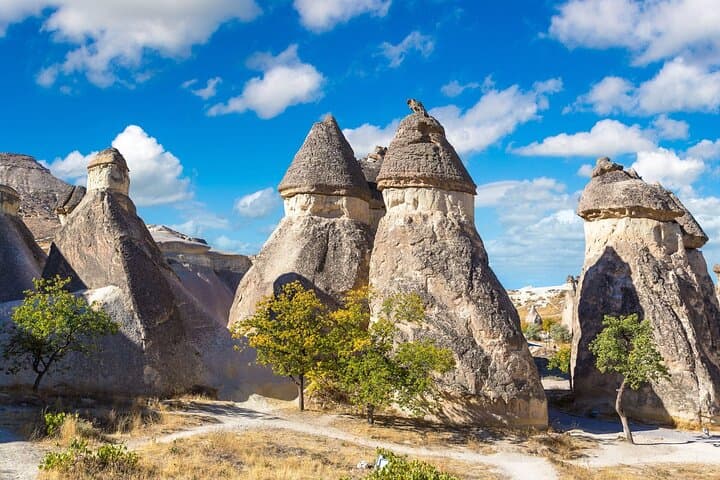
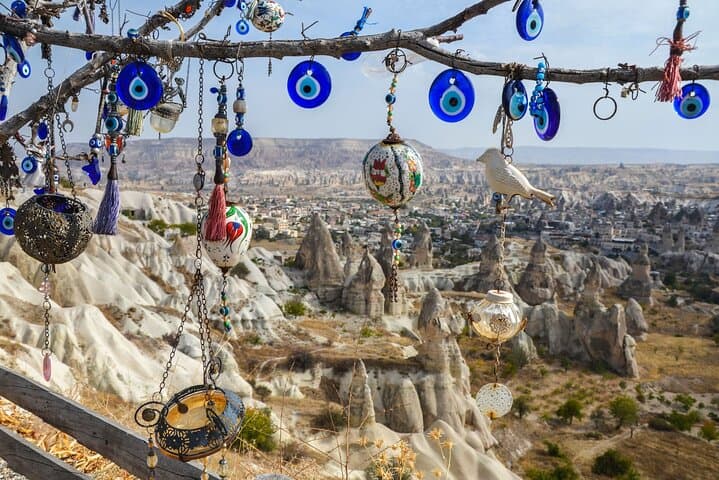
You step out before the van has even cooled — Göreme's morning light paints the tufa cliffs a soft gold and the air carries the mineral smell of ancient ash. On the Red Tour, a small coach threads narrow lanes between cones of rock called fairy chimneys, while your guide sketches the day's map: Zelve's cave alleys, the mushroom caps of Paşabağ, the pottery wheel of Avanos, then Devrent's surreal sculptures. The landscape feels sculpted by deliberate hands; in truth it was wind and time shaping a region of volcanic stone into human-scale curiosities.
Verified experiences and guided adventures in the surrounding area.
Operated by Cappadocia Visitor · Göreme, Nevşehir
You step out before the van has even cooled — Göreme's morning light paints the tufa cliffs a soft gold and the air carries the mineral smell of ancient ash. On the Red Tour, a small coach threads narrow lanes between cones of rock called fairy chimneys, while your guide sketches the day's map: Zelve's cave alleys, the mushroom caps of Paşabağ, the pottery wheel of Avanos, then Devrent's surreal sculptures. The landscape feels sculpted by deliberate hands; in truth it was wind and time shaping a region of volcanic stone into human-scale curiosities.
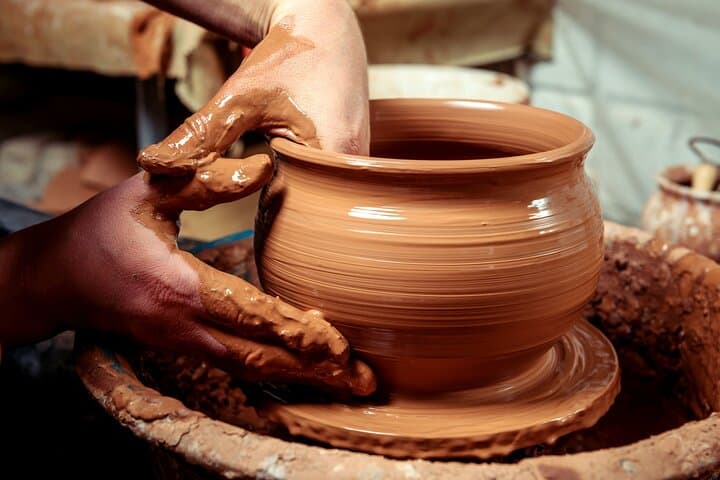
Cappadocia's story begins where geology meets history. Between 60 and 2 million years ago, volcanic eruptions blanketed the plain with tuff — a soft, workable rock. Over millennia, water and wind carved spires and ridges, and people carved into them. Zelve, once a thriving cave settlement, preserves cave homes, chapels and tunnels used by Byzantine and early Christian communities. Avanos carries older echoes: the red clay of the Kızılırmak River has been spun into pots since Hittite times and today still turns on local wheels.
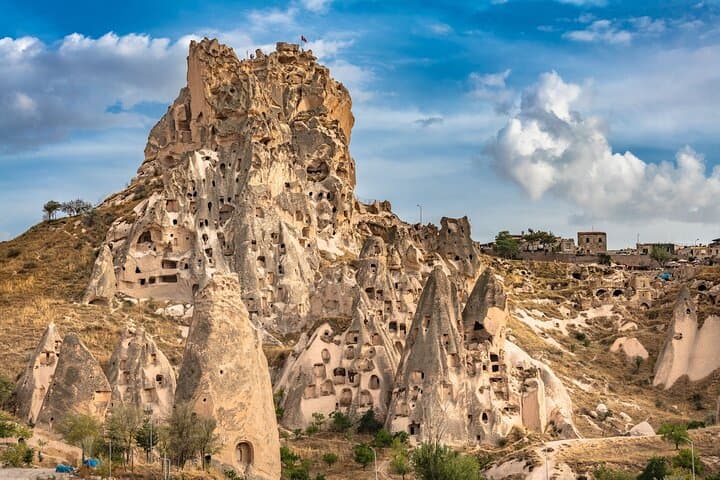
The tour moves at a steady, accessible pace. Stops are short and focused: one hour in Zelve to walk among rock-cut dwellings; 45 minutes in Paşabağ to photograph double-capped chimneys; a hands-on pottery demonstration in Avanos; and a quick stroll through Devrent's imagination-shaped rocks. Uçhisar provides a panoramic viewpoint without a steep climb — a useful break to take in the wide valley grids below.
Practical details matter. The full circuit takes roughly 5–6 hours with included lunch and hotel transfers; walking distances at each stop are modest (typically 0.5–2 km) with gentle elevation changes — expect short paved or dirt paths and some uneven stone steps. The region sits around 1,200–1,350 meters elevation, so mornings are cool and afternoons can warm quickly.
Bring sun protection, sturdy shoes, and a refillable water bottle; the guide handles logistics, but cash is handy for ceramics and small tips. If you prefer to skip pickup, the operator’s meeting point in Göreme (next to Kings Coffee) keeps timing tight. The tour suits travelers of most fitness levels and is a compact way to cover Cappadocia’s central highlights without a private car.
Beyond the checklist, the Red Tour delivers moments that stay with you: a potter smearing clay across his palms, chimney shadows lengthening as you step back, and a valley that seems to rearrange itself with every turn of the bus. It’s an efficient, sensory introduction to Cappadocia — equal parts geology lesson and living culture.
easy.
5–6 hours.
Suitable for travelers comfortable with short walks and standing for up to an hour at a time; no strenuous hiking required.
Yes — the tour includes hotel pickup within Göreme and nearby towns; if you choose to meet at the office, arrive 15 minutes early at the Kings Coffee meeting point.
Lunch is included and typically served at a local restaurant with Turkish dishes; dietary restrictions can be accommodated if noted at booking.
Entrance to some open-air museums may require separate tickets; the tour description notes where admission is not included—carry small change just in case.
The operator lists stroller accessibility for infants and small children, but some paths and cave areas have steps; plan to carry toddlers through any narrow sections.
Yes — the tour stops at a workshop offering demonstrations and the option to try the wheel; purchases and tips are extra.
Stops are popular but the shared-tour format and timed visits help manage crowds; mornings are generally quieter than midday.
Cappadocia’s cave dwellings and churches date to Byzantine and earlier Anatolian cultures; the region’s volcanic tuff made soft walls easy to carve for homes and sanctuaries.
Erosion is the landscape’s defining force; visitors are asked to stay on paths and avoid climbing fragile formations to reduce accelerated wear and preserve archaeological sites.
Cappadocia Visitor operates guided outdoor trips and adventures with an emphasis on safety, stewardship, and memorable experiences.
You step out before the van has even cooled — Göreme's morning light paints the tufa cliffs a soft gold and the air carries the mineral smell of ancient ash. On the Red Tour, a small coach threads narrow lanes between cones of rock called fairy chimneys, while your guide sketches the day's map: Zelve's cave alleys, the mushroom caps of Paşabağ, the pottery wheel of Avanos, then Devrent's surreal sculptures. The landscape feels sculpted by deliberate hands; in truth it was wind and time shaping a region of volcanic stone into human-scale curiosities.
You step out before the van has even cooled — Göreme's morning light paints the tufa cliffs a soft gold and the air carries the mineral smell of ancient ash. On the Red Tour, a small coach threads narrow lanes between cones of rock called fairy chimneys, while your guide sketches the day's map: Zelve's cave alleys, the mushroom caps of Paşabağ, the pottery wheel of Avanos, then Devrent's surreal sculptures. The landscape feels sculpted by deliberate hands; in truth it was wind and time shaping a region of volcanic stone into human-scale curiosities.
Cappadocia's story begins where geology meets history. Between 60 and 2 million years ago, volcanic eruptions blanketed the plain with tuff — a soft, workable rock. Over millennia, water and wind carved spires and ridges, and people carved into them. Zelve, once a thriving cave settlement, preserves cave homes, chapels and tunnels used by Byzantine and early Christian communities. Avanos carries older echoes: the red clay of the Kızılırmak River has been spun into pots since Hittite times and today still turns on local wheels.
The tour moves at a steady, accessible pace. Stops are short and focused: one hour in Zelve to walk among rock-cut dwellings; 45 minutes in Paşabağ to photograph double-capped chimneys; a hands-on pottery demonstration in Avanos; and a quick stroll through Devrent's imagination-shaped rocks. Uçhisar provides a panoramic viewpoint without a steep climb — a useful break to take in the wide valley grids below.
Practical details matter. The full circuit takes roughly 5–6 hours with included lunch and hotel transfers; walking distances at each stop are modest (typically 0.5–2 km) with gentle elevation changes — expect short paved or dirt paths and some uneven stone steps. The region sits around 1,200–1,350 meters elevation, so mornings are cool and afternoons can warm quickly.
Bring sun protection, sturdy shoes, and a refillable water bottle; the guide handles logistics, but cash is handy for ceramics and small tips. If you prefer to skip pickup, the operator’s meeting point in Göreme (next to Kings Coffee) keeps timing tight. The tour suits travelers of most fitness levels and is a compact way to cover Cappadocia’s central highlights without a private car.
Beyond the checklist, the Red Tour delivers moments that stay with you: a potter smearing clay across his palms, chimney shadows lengthening as you step back, and a valley that seems to rearrange itself with every turn of the bus. It’s an efficient, sensory introduction to Cappadocia — equal parts geology lesson and living culture.