THE ADVENTURE COLLECTIVE® · Independent discovery and booking for outdoor travel

A single-day sweep through Cappadocia’s signature landscapes, the Red Tour pairs panoramic overlooks and fairy chimneys with pottery in Avanos and carved settlements at the Zelve Open Air Museum. Perfect for travelers who want a compact, guided introduction to the region’s geology, history and craft traditions.
A single-day sweep through Cappadocia’s signature landscapes, the Red Tour pairs panoramic overlooks and fairy chimneys with pottery in Avanos and carved settlements at the Zelve Open Air Museum. Perfect for travelers who want a compact, guided introduction to the region’s geology, history and craft traditions.
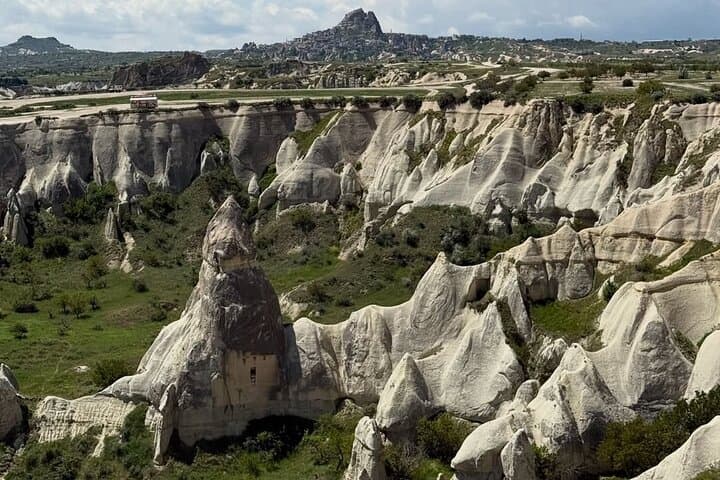
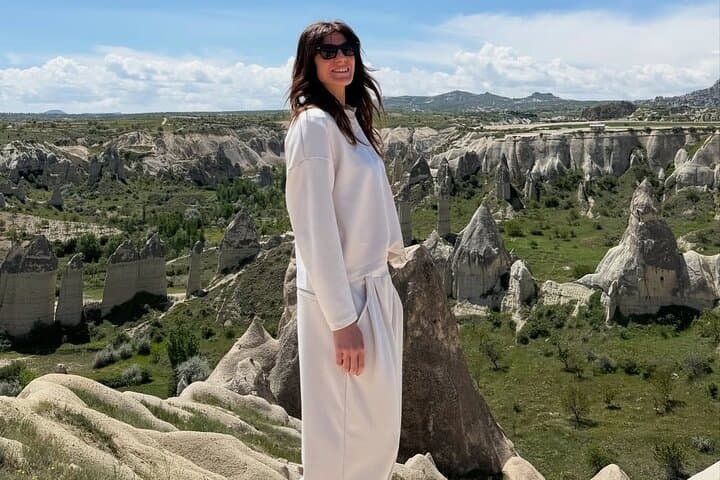
You step off the van at Göreme Panorama and the land shifts beneath a low, wide sky. Rows of cone-shaped towers—fairy chimneys—cluster like a sculpted city, their caps balancing centuries of ash and wind. The guide counts off the day’s stops in a calm voice as the group fans out, cameras catching the pale stone that glows from honey to rose as the sun slides west.
Verified experiences and guided adventures in the surrounding area.
Operated by mstravels · Göreme, Nevşehir Province
You step off the van at Göreme Panorama and the land shifts beneath a low, wide sky. Rows of cone-shaped towers—fairy chimneys—cluster like a sculpted city, their caps balancing centuries of ash and wind. The guide counts off the day’s stops in a calm voice as the group fans out, cameras catching the pale stone that glows from honey to rose as the sun slides west.
The Red Tour is a single-day sweep through Cappadocia’s most recognizable scenes: panoramic overlooks, Uçhisar Castle’s carved silhouette, the pottery town of Avanos, Devrent Valley’s playful rock forms, the Zelve Open Air Museum and concentrated fairy chimney fields. Geologically, this is volcanic country—tuff laid down by ancient eruptions has been honed by rain and frost into pillars and cliffs. Historically, those same soft rocks made shelter easy; Byzantine monks, early Christians and local villagers hollowed out homes, churches and monasteries here, leaving frescoes and stairwells that still invite exploration.
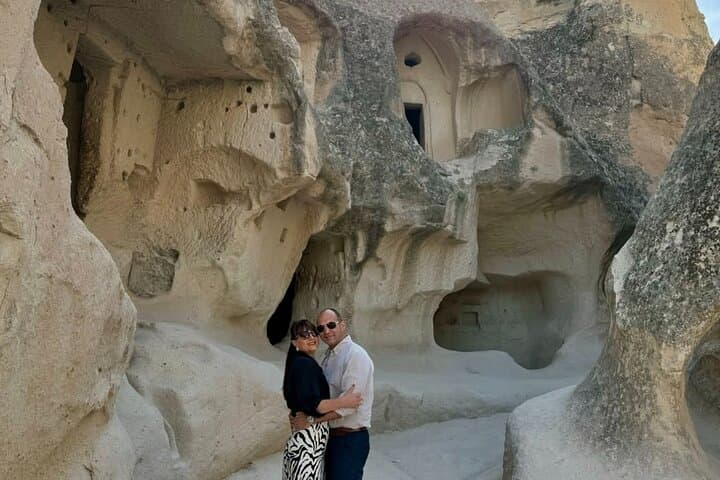
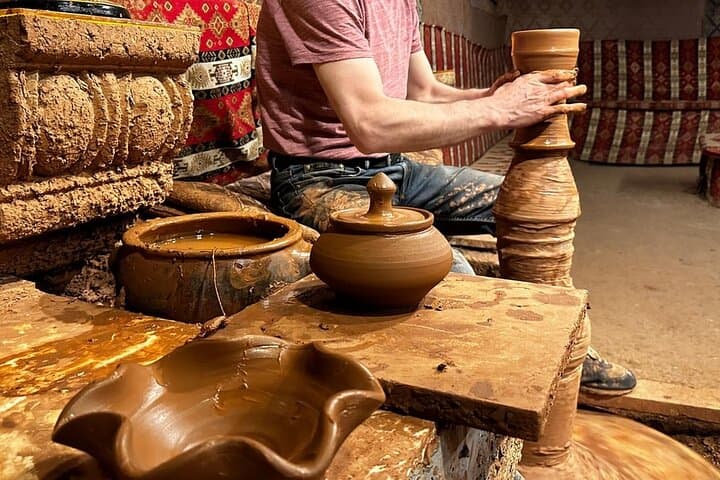
Avanos offers a cultural counterpoint. At the Kızılırmak River, craftsmen throw red-clay pots with rhythmic hands that echo centuries-old Anatolian techniques. Here, visitors can try the wheel, and the air smells of wet earth and strong tea. Zelve and the Open Air Museum expose daily life carved into the rock—kitchens, chapels, grain stores—where narrow passages reveal how people adapted to a landscape that could both shelter and erode.
Practical details matter on a loop like this. The full tour runs about 6–7 hours and includes hotel pickup in Göreme, Ürgüp, Ortahisar, Uçhisar and Avanos; walk distances at each stop are short—typically 0.5–2 km on uneven, rocky paths with steps and loose gravel. Expect mostly easy walking but bring shoes with good tread for short climbs at Uçhisar and uneven surfaces at Zelve. The tour includes bottled water, a midday lunch and transport in an air-conditioned vehicle; guides handle admissions at sites where entry is included.
Timing can sharpen the experience: morning light favors panoramic views and cooler air for the first visits; later in the day, Devrent’s shapes show stronger shadows for photos. Weather is variable—summers are hot and dry, winters cold with occasional snow that turns the chimneys otherworldly. Respect fragile rock and frescoes; stick to marked paths and avoid climbing on ruins.
For travelers wanting a concentrated orientation to Cappadocia’s landscape and culture, the Red Tour is efficient and informative: it places the region’s geology, craft traditions and lived history into a single, manageable day—leaving time to linger afterward on a terrace with tea and a view.
easy.
6–7 hours.
Suitable for travelers with basic mobility; expect short walks on uneven ground and a few flights of steps.
The tour lasts about 6–7 hours, including hotel pickup, transfers, lunch and time at each site.
Yes—admission to Zelve Open Air Museum and other listed sites is included where noted in the itinerary.
Walking at each stop is generally short—0.5–2 km—on uneven ground; the tour is rated easy but requires basic mobility.
Lunch and bottled water are included in the tour price.
Yes, the tour notes stroller access and is suitable for families, but some paths have steps and uneven surfaces.
Yes—pickup and drop-off are included from hotels in Göreme, Urgup, Ortahisar, Uçhisar and Avanos; confirm your pickup point when booking.
Cappadocia’s soft tuff was carved into homes and churches from Roman and Byzantine eras; many settlements served as monastic centers and refuges.
Erosion and visitor pressure are ongoing concerns—stay on marked paths and avoid touching frescoes to preserve archaeological surfaces.
mstravels operates guided outdoor trips and adventures with an emphasis on safety, stewardship, and memorable experiences.
You step off the van at Göreme Panorama and the land shifts beneath a low, wide sky. Rows of cone-shaped towers—fairy chimneys—cluster like a sculpted city, their caps balancing centuries of ash and wind. The guide counts off the day’s stops in a calm voice as the group fans out, cameras catching the pale stone that glows from honey to rose as the sun slides west.
You step off the van at Göreme Panorama and the land shifts beneath a low, wide sky. Rows of cone-shaped towers—fairy chimneys—cluster like a sculpted city, their caps balancing centuries of ash and wind. The guide counts off the day’s stops in a calm voice as the group fans out, cameras catching the pale stone that glows from honey to rose as the sun slides west.
The Red Tour is a single-day sweep through Cappadocia’s most recognizable scenes: panoramic overlooks, Uçhisar Castle’s carved silhouette, the pottery town of Avanos, Devrent Valley’s playful rock forms, the Zelve Open Air Museum and concentrated fairy chimney fields. Geologically, this is volcanic country—tuff laid down by ancient eruptions has been honed by rain and frost into pillars and cliffs. Historically, those same soft rocks made shelter easy; Byzantine monks, early Christians and local villagers hollowed out homes, churches and monasteries here, leaving frescoes and stairwells that still invite exploration.
Avanos offers a cultural counterpoint. At the Kızılırmak River, craftsmen throw red-clay pots with rhythmic hands that echo centuries-old Anatolian techniques. Here, visitors can try the wheel, and the air smells of wet earth and strong tea. Zelve and the Open Air Museum expose daily life carved into the rock—kitchens, chapels, grain stores—where narrow passages reveal how people adapted to a landscape that could both shelter and erode.
Practical details matter on a loop like this. The full tour runs about 6–7 hours and includes hotel pickup in Göreme, Ürgüp, Ortahisar, Uçhisar and Avanos; walk distances at each stop are short—typically 0.5–2 km on uneven, rocky paths with steps and loose gravel. Expect mostly easy walking but bring shoes with good tread for short climbs at Uçhisar and uneven surfaces at Zelve. The tour includes bottled water, a midday lunch and transport in an air-conditioned vehicle; guides handle admissions at sites where entry is included.
Timing can sharpen the experience: morning light favors panoramic views and cooler air for the first visits; later in the day, Devrent’s shapes show stronger shadows for photos. Weather is variable—summers are hot and dry, winters cold with occasional snow that turns the chimneys otherworldly. Respect fragile rock and frescoes; stick to marked paths and avoid climbing on ruins.
For travelers wanting a concentrated orientation to Cappadocia’s landscape and culture, the Red Tour is efficient and informative: it places the region’s geology, craft traditions and lived history into a single, manageable day—leaving time to linger afterward on a terrace with tea and a view.