THE ADVENTURE COLLECTIVE® · Independent discovery and booking for outdoor travel

Spend a day driving through Cappadocia’s northern highlights—Uçhisar Castle, Göreme’s cave churches, Paşabağ’s fairy chimneys and Avanos pottery. The Red Tour pairs panoramic viewpoints with cultural stops and an included local lunch.
Spend a day driving through Cappadocia’s northern highlights—Uçhisar Castle, Göreme’s cave churches, Paşabağ’s fairy chimneys and Avanos pottery. The Red Tour pairs panoramic viewpoints with cultural stops and an included local lunch.
You step out of the minivan into wind-polished air and a landscape that seems to have been shaped by a slow, deliberate hand. The sun slants across honey-colored slopes; vertical spires of tuff—those so-called fairy chimneys—throw long, geometric shadows. A guide folds a map and points: Uçhisar’s silhouette rises like a worn watchtower, Göreme’s cave churches sit quietly in amphitheaters of rock, and Paşabağ’s mushroom-capped pinnacles cluster like an odd forest.
Verified experiences and guided adventures in the surrounding area.
Operated by BAYDAR TOURISM · Göreme, Nevşehir
You step out of the minivan into wind-polished air and a landscape that seems to have been shaped by a slow, deliberate hand. The sun slants across honey-colored slopes; vertical spires of tuff—those so-called fairy chimneys—throw long, geometric shadows. A guide folds a map and points: Uçhisar’s silhouette rises like a worn watchtower, Göreme’s cave churches sit quietly in amphitheaters of rock, and Paşabağ’s mushroom-capped pinnacles cluster like an odd forest.
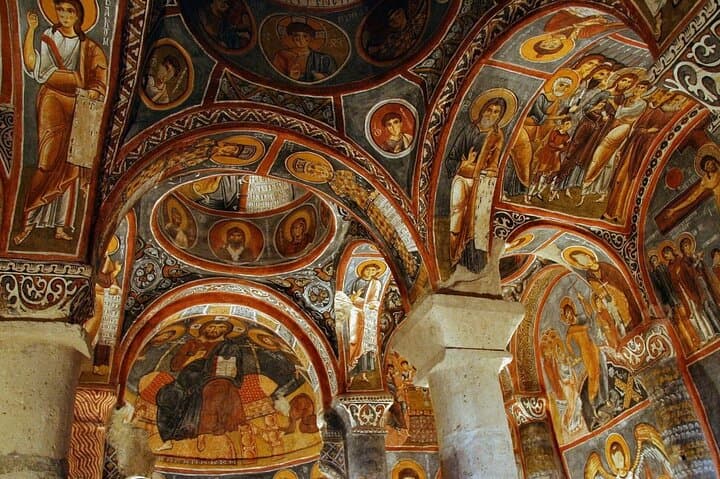
The Red Tour is a curated circuit through Cappadocia’s northern icons. Geologically, this region is the product of volcanic ash compacted into soft tuff, then carved by wind and water into chimneys, cones and vents over millions of years. Human hands followed: from Hittite settlements to Byzantine monasticism, people hollowed the rock into dwellings and frescoed churches. At Göreme Open Air Museum you stand in ninth- to twelfth-century chapels where painted saints still watch the valley.
Culture here is an everyday craft. In Avanos a pottery master works red clay pulled from the Kızılırmak riverbank—an artisanal lineage visible in the shapes and glazes sold on the roadside. Uçhisar served historically as both refuge and lookout; its castle was a strategic high point in a patchwork of agricultural valleys.
For travelers the Red Tour is efficient and sensory: expect short walks, photo stops and a traditional lunch in Avanos. The itinerary moves across panoramas and intimate cave interiors—shoes that grip, layers you can strip, and a camera are essentials. Midday sun is strong in summer; spring and autumn bring cool mornings and the sharp air that makes the colors pop.
Practical notes: the tour lasts roughly 6–7 hours and typically includes hotel pickup and entrance fees to key sites. Walking is light—mostly on packed dirt and stone steps—but some uneven ground and short climbs at viewpoints are standard. Guides cover historical context and point out safe routes through tighter passages.
Timing matters. Arrive early in your Göreme lodging to take advantage of pickup windows and to avoid balloon crowds at sunrise if you prefer quieter vistas later. Carry water (1–1.5 L), sun protection, and comfortable hiking shoes. If you want hands-on experience, plan extra time at the Avanos pottery workshop to try the wheel.
The Red Tour gives you a compact, readable view of Cappadocia’s geology, history and living crafts. It’s a day that balances broad panoramas with tactile cultural encounters—ideal for travelers who want a strong sense of place without deep trekking or overnight logistics.
easy.
6–7 hours.
Suitable for travelers of average mobility who can manage short walks and some uneven ground
The Red Tour runs about 6–7 hours, typically with hotel pickup and drop-off included.
Most museum entry fees listed in the itinerary are included; confirm when booking for exact inclusions.
Yes—short walks make it appropriate for children, though infants must sit on an adult's lap during transport.
Yes—there’s usually time to watch and try shaping clay; inform your guide if you want hands-on time.
Walking is light to moderate: dirt tracks, steps and short climbs at viewpoints; comfortable shoes are recommended.
Bring a wide-angle lens (or wide smartphone setting), spare battery, and filters for bright midday light; golden-hour shots benefit from lower sun angles.
Cappadocia’s carved churches and underground refuges date to Byzantine-era monastic communities that used the soft tuff to create sheltered worship and living spaces.
The soft rock is susceptible to erosion and human wear—stay on marked paths, avoid climbing fragile formations, and support local crafts instead of buying imported souvenirs.
BAYDAR TOURISM operates guided outdoor trips and adventures with an emphasis on safety, stewardship, and memorable experiences.
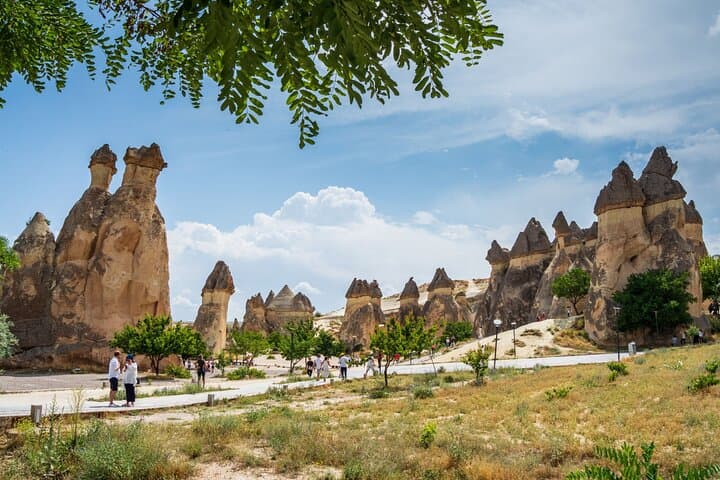
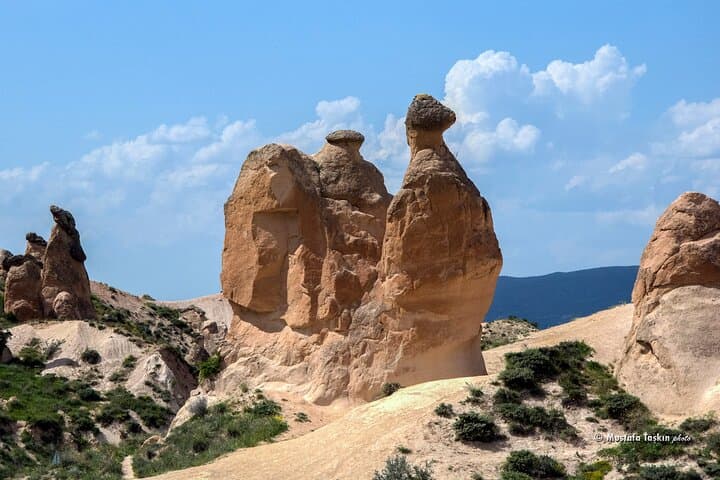
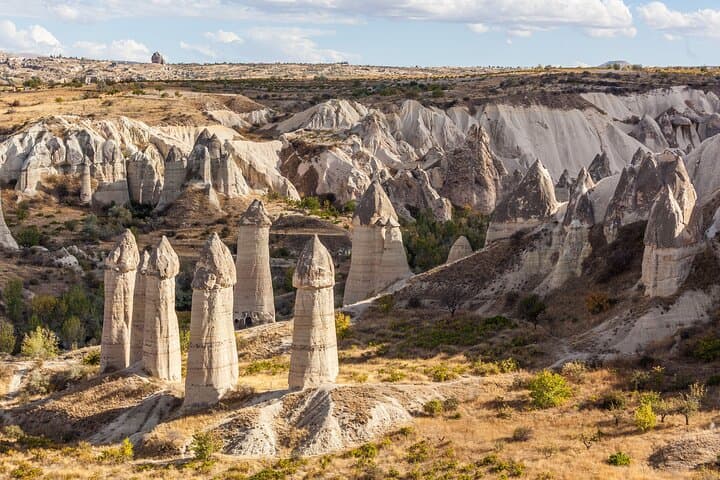
You step out of the minivan into wind-polished air and a landscape that seems to have been shaped by a slow, deliberate hand. The sun slants across honey-colored slopes; vertical spires of tuff—those so-called fairy chimneys—throw long, geometric shadows. A guide folds a map and points: Uçhisar’s silhouette rises like a worn watchtower, Göreme’s cave churches sit quietly in amphitheaters of rock, and Paşabağ’s mushroom-capped pinnacles cluster like an odd forest.
You step out of the minivan into wind-polished air and a landscape that seems to have been shaped by a slow, deliberate hand. The sun slants across honey-colored slopes; vertical spires of tuff—those so-called fairy chimneys—throw long, geometric shadows. A guide folds a map and points: Uçhisar’s silhouette rises like a worn watchtower, Göreme’s cave churches sit quietly in amphitheaters of rock, and Paşabağ’s mushroom-capped pinnacles cluster like an odd forest.
The Red Tour is a curated circuit through Cappadocia’s northern icons. Geologically, this region is the product of volcanic ash compacted into soft tuff, then carved by wind and water into chimneys, cones and vents over millions of years. Human hands followed: from Hittite settlements to Byzantine monasticism, people hollowed the rock into dwellings and frescoed churches. At Göreme Open Air Museum you stand in ninth- to twelfth-century chapels where painted saints still watch the valley.
Culture here is an everyday craft. In Avanos a pottery master works red clay pulled from the Kızılırmak riverbank—an artisanal lineage visible in the shapes and glazes sold on the roadside. Uçhisar served historically as both refuge and lookout; its castle was a strategic high point in a patchwork of agricultural valleys.
For travelers the Red Tour is efficient and sensory: expect short walks, photo stops and a traditional lunch in Avanos. The itinerary moves across panoramas and intimate cave interiors—shoes that grip, layers you can strip, and a camera are essentials. Midday sun is strong in summer; spring and autumn bring cool mornings and the sharp air that makes the colors pop.
Practical notes: the tour lasts roughly 6–7 hours and typically includes hotel pickup and entrance fees to key sites. Walking is light—mostly on packed dirt and stone steps—but some uneven ground and short climbs at viewpoints are standard. Guides cover historical context and point out safe routes through tighter passages.
Timing matters. Arrive early in your Göreme lodging to take advantage of pickup windows and to avoid balloon crowds at sunrise if you prefer quieter vistas later. Carry water (1–1.5 L), sun protection, and comfortable hiking shoes. If you want hands-on experience, plan extra time at the Avanos pottery workshop to try the wheel.
The Red Tour gives you a compact, readable view of Cappadocia’s geology, history and living crafts. It’s a day that balances broad panoramas with tactile cultural encounters—ideal for travelers who want a strong sense of place without deep trekking or overnight logistics.