THE ADVENTURE COLLECTIVE® · Independent discovery and booking for outdoor travel

Skip the steep climb and let the Flying Dutchman carry you toward Cape Point’s cliff-top lighthouse. This one-way funicular ride is a quick, accessible way to reach panoramic views and fynbos-strewn trails without losing time to the ascent.
Skip the steep climb and let the Flying Dutchman carry you toward Cape Point’s cliff-top lighthouse. This one-way funicular ride is a quick, accessible way to reach panoramic views and fynbos-strewn trails without losing time to the ascent.
The carriage arrives with a soft, mechanical sigh, and for a beat the world becomes a corridor of glass and fynbos. The funicular car eases forward along steep rails, the Atlantic widening to the left and the wrinkled slopes of the Cape Peninsula to the right. Salt and sun perfume the air; you feel the slope give way beneath you as the Flying Dutchman—Cape Point’s small, efficient funicular—whisks visitors from the busy car park toward the old lighthouse and a cliff-top panorama that has drawn mariners and misfortune for centuries.
Verified experiences and guided adventures in the surrounding area.
Operated by Flying Dutchman Funicular · Cape Town, Western Cape
The carriage arrives with a soft, mechanical sigh, and for a beat the world becomes a corridor of glass and fynbos. The funicular car eases forward along steep rails, the Atlantic widening to the left and the wrinkled slopes of the Cape Peninsula to the right. Salt and sun perfume the air; you feel the slope give way beneath you as the Flying Dutchman—Cape Point’s small, efficient funicular—whisks visitors from the busy car park toward the old lighthouse and a cliff-top panorama that has drawn mariners and misfortune for centuries.
Cape Point is raw geology on display: bands of Table Mountain sandstone and Cape granite tilt toward the sea, eroded into headlands and coves. The area sits inside the Cape Floral Region, a UNESCO hotspot where fynbos plants—low, hardy shrubs with bright protea blooms—hold the soil and color the slopes. The funicular itself is a modern convenience with a folkloric name, referencing the ghost-ship legend sailors told about this capricious stretch of water. The upper lighthouse, built after a string of wrecks in the 19th century, stands as a practical answer to those stories; today it’s a vantage point rather than a last resort.
There’s a human history layered into the view: Dutch and Portuguese navigators, colonial supply routes, and the creation of Table Mountain National Park to protect this striking landscape and its unique biodiversity. Local conservation efforts focus on preserving fynbos and managing tourism impacts—so the paths are deliberate, with boardwalks and railings where fragile plants or cliff edges demand protection.
Practically, the Flying Dutchman is the fastest, gentlest way to reach the upper viewpoint without the steep climb from the car park. Cars run every three minutes and hold about 40 passengers, which keeps lines moving even on crowded days. The ticket offered here is a one-way descent on the funicular—useful if you prefer to hike up and ride down, or if you plan a loop walk that finishes near the lower station.
Timing matters: mornings are cooler and quieter; late afternoon brings long light for photography. Dress in windproof layers—the Cape’s weather can flip in minutes—and bring water, sunscreen, and sturdy shoes for any trails you’ll explore from the lighthouse. Be respectful of wildlife: do not feed baboons and keep a safe distance from shorebirds and seals below.
For a short, high-reward visit to one of South Africa’s most dramatic peninsulas, the Flying Dutchman funicular is both practical and cinematic. It saves legs without muting the place—on the contrary, the brief, elevated ride sharpens your view and puts the ocean, the cliffs, and the stubborn fynbos into sudden, unforgettable relief.
easy.
2–4 hours.
Suitable for most fitness levels; brief walking on uneven surfaces may be required
Yes—cars are designed for accessibility and the stations have ramps; staff can assist boarding if needed.
No—this listing is for a one-way down ticket; purchase a separate return if you need the ride back up.
Cars depart approximately every three minutes, with a capacity of about 40 passengers per car.
Bring your mobile or printed ticket to the lower funicular station at the Cape Point car park and go to the front desk for direct entry.
It operates in most conditions, but extreme winds or safety concerns can cause temporary closures—check park notices on the day.
Yes—the funicular is a short hop to the lighthouse and trailheads; combine it with scenic drives, short hikes, and wildlife viewing within Table Mountain National Park.
Cape Point was a critical navigational landmark for early European sailors; the upper lighthouse was built after repeated shipwrecks highlighted the need for better signaling.
The area forms part of the Cape Floral Region; stick to marked paths to protect fragile fynbos and follow park rules to avoid habituating wildlife.
Flying Dutchman Funicular operates guided outdoor trips and adventures with an emphasis on safety, stewardship, and memorable experiences.
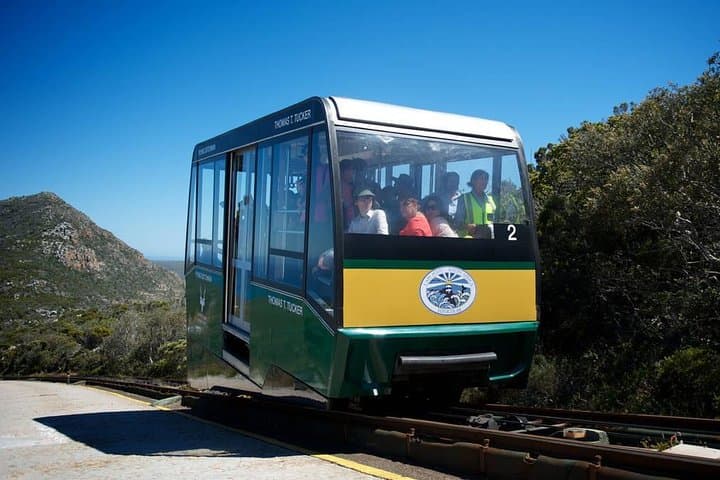
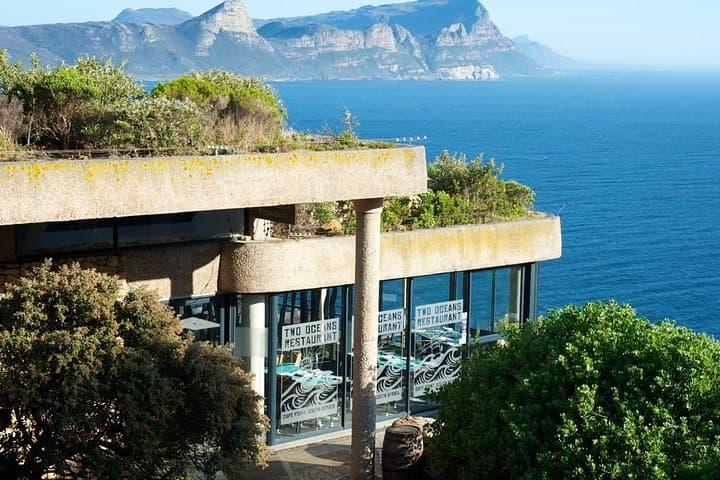
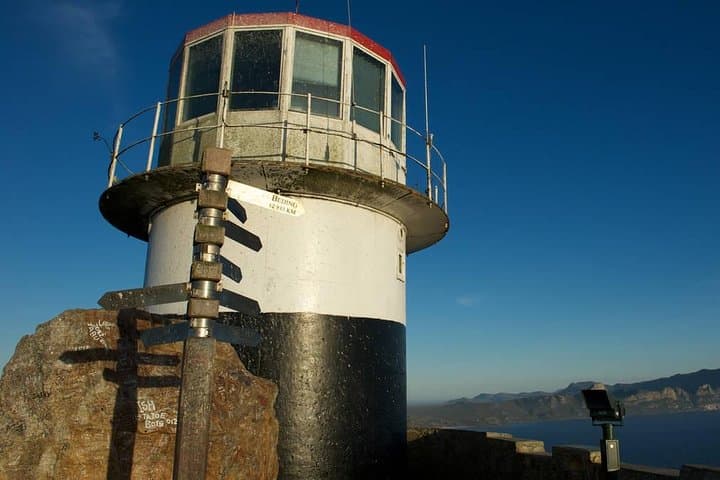
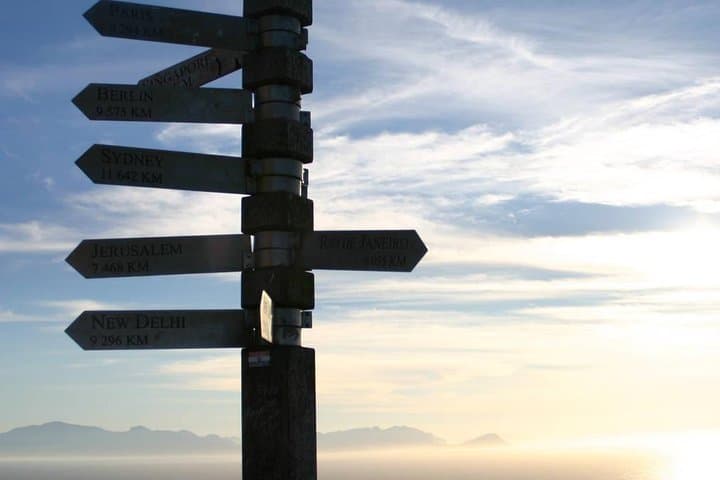
The carriage arrives with a soft, mechanical sigh, and for a beat the world becomes a corridor of glass and fynbos. The funicular car eases forward along steep rails, the Atlantic widening to the left and the wrinkled slopes of the Cape Peninsula to the right. Salt and sun perfume the air; you feel the slope give way beneath you as the Flying Dutchman—Cape Point’s small, efficient funicular—whisks visitors from the busy car park toward the old lighthouse and a cliff-top panorama that has drawn mariners and misfortune for centuries.
The carriage arrives with a soft, mechanical sigh, and for a beat the world becomes a corridor of glass and fynbos. The funicular car eases forward along steep rails, the Atlantic widening to the left and the wrinkled slopes of the Cape Peninsula to the right. Salt and sun perfume the air; you feel the slope give way beneath you as the Flying Dutchman—Cape Point’s small, efficient funicular—whisks visitors from the busy car park toward the old lighthouse and a cliff-top panorama that has drawn mariners and misfortune for centuries.
Cape Point is raw geology on display: bands of Table Mountain sandstone and Cape granite tilt toward the sea, eroded into headlands and coves. The area sits inside the Cape Floral Region, a UNESCO hotspot where fynbos plants—low, hardy shrubs with bright protea blooms—hold the soil and color the slopes. The funicular itself is a modern convenience with a folkloric name, referencing the ghost-ship legend sailors told about this capricious stretch of water. The upper lighthouse, built after a string of wrecks in the 19th century, stands as a practical answer to those stories; today it’s a vantage point rather than a last resort.
There’s a human history layered into the view: Dutch and Portuguese navigators, colonial supply routes, and the creation of Table Mountain National Park to protect this striking landscape and its unique biodiversity. Local conservation efforts focus on preserving fynbos and managing tourism impacts—so the paths are deliberate, with boardwalks and railings where fragile plants or cliff edges demand protection.
Practically, the Flying Dutchman is the fastest, gentlest way to reach the upper viewpoint without the steep climb from the car park. Cars run every three minutes and hold about 40 passengers, which keeps lines moving even on crowded days. The ticket offered here is a one-way descent on the funicular—useful if you prefer to hike up and ride down, or if you plan a loop walk that finishes near the lower station.
Timing matters: mornings are cooler and quieter; late afternoon brings long light for photography. Dress in windproof layers—the Cape’s weather can flip in minutes—and bring water, sunscreen, and sturdy shoes for any trails you’ll explore from the lighthouse. Be respectful of wildlife: do not feed baboons and keep a safe distance from shorebirds and seals below.
For a short, high-reward visit to one of South Africa’s most dramatic peninsulas, the Flying Dutchman funicular is both practical and cinematic. It saves legs without muting the place—on the contrary, the brief, elevated ride sharpens your view and puts the ocean, the cliffs, and the stubborn fynbos into sudden, unforgettable relief.