THE ADVENTURE COLLECTIVE® · Independent discovery and booking for outdoor travel

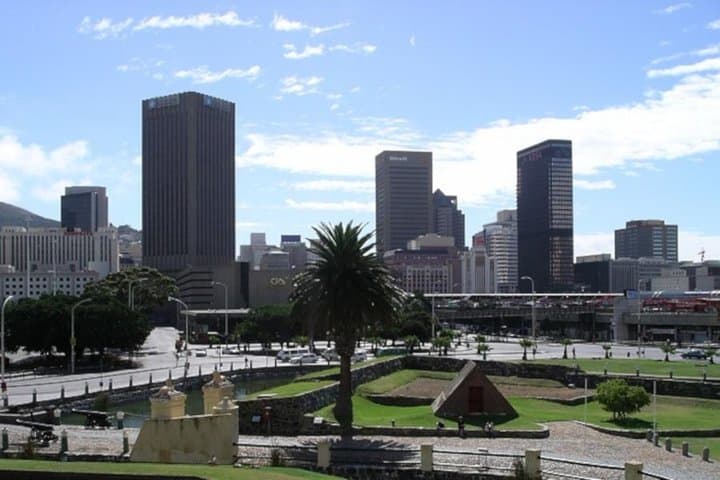
See Cape Town’s landmarks in a private half-day: table-top mountain vistas, Bo‑Kaap’s colorful streets, and shoreline views toward Robben Island. This five‑hour tour mixes geology, history and local culture with practical tips for timing and weather.
See Cape Town’s landmarks in a private half-day: table-top mountain vistas, Bo‑Kaap’s colorful streets, and shoreline views toward Robben Island. This five‑hour tour mixes geology, history and local culture with practical tips for timing and weather.
You step out of the car and the city opens on a slope of light: Atlantic wind pushing the smell of salt and braai smoke through streets that switch from Victorian facades to rainbow-painted houses. For five hours this private tour hands you the city in manageable pieces — sea-swept viewpoints, a cable-car ascent, and narrow lanes where language and spice map a diasporic history.
Verified experiences and guided adventures in the surrounding area.
Operated by Exclusive Access Trading 838 Pty Ltd. · Cape Town, Western Cape
You step out of the car and the city opens on a slope of light: Atlantic wind pushing the smell of salt and braai smoke through streets that switch from Victorian facades to rainbow-painted houses. For five hours this private tour hands you the city in manageable pieces — sea-swept viewpoints, a cable-car ascent, and narrow lanes where language and spice map a diasporic history.
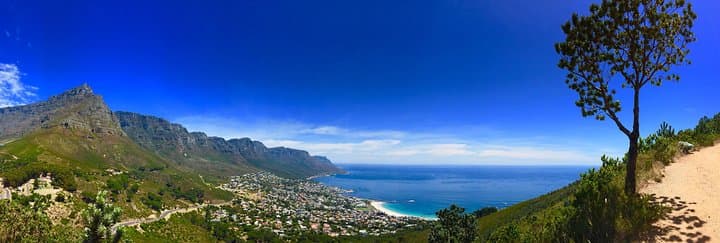
Start with perspective. The drive up to the Table Mountain viewpoints gives the first lesson in Cape Town’s geology: an ancient, flat-topped ridge of quartzitic sandstone that has been eroded into broad cliffs and abrupt ledges. The cable car (note: ticket not included) offers 360-degree views from roughly 1,086 meters above sea level; on a clear day you can see Robben Island like a pale dot in Table Bay, and the long sweep of Clifton beaches below.
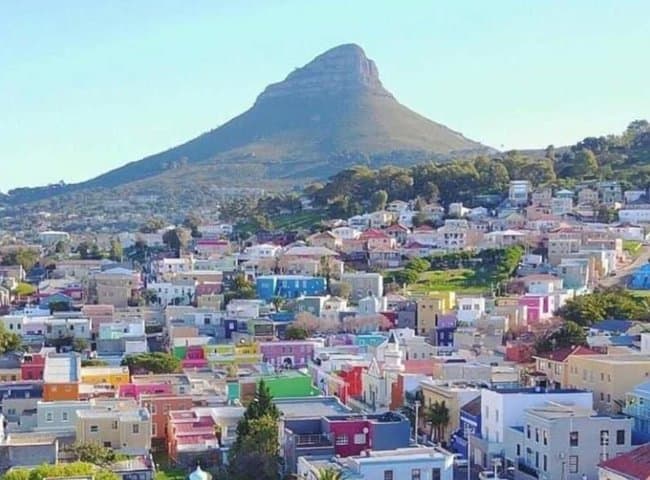
The tour threads through neighborhoods with distinct histories. Bo-Kaap’s cobbled streets and brightly painted facades recall Cape Malay culture — food, language and craft carried across centuries. A short museum stop anchors the story of apartheid-era Cape Town; it’s quiet, necessary context to the city’s social geography. Drive by the leafy expanse of Kirstenbosch Botanical Garden for a stroll through fynbos — the region’s characteristic shrubland adapted to wind and fire.
Practical notes: this is a private, five-hour outing with hotel or port pickup available across Cape Town. Expect light walking: short strolls at viewpoints, museum time, and steps at the cable car station. The itinerary includes viewpoints for Robben Island (viewed from shore), the Bo-Kaap, a garden stop, and a museum; entrance fees for places like the Table Mountain Cableway are generally not covered unless specified.
Timing and comfort matter. Cape Town weather changes fast — mornings can be calm and afternoons gusty — so layers are essential. Sun is intense; bring sunscreen even on cool days. If you plan to go up Table Mountain by cable car, check live operating status before you leave; the car closes when winds pick up. For families: infant seats and stroller access are available, and the tour is rated physically easy.
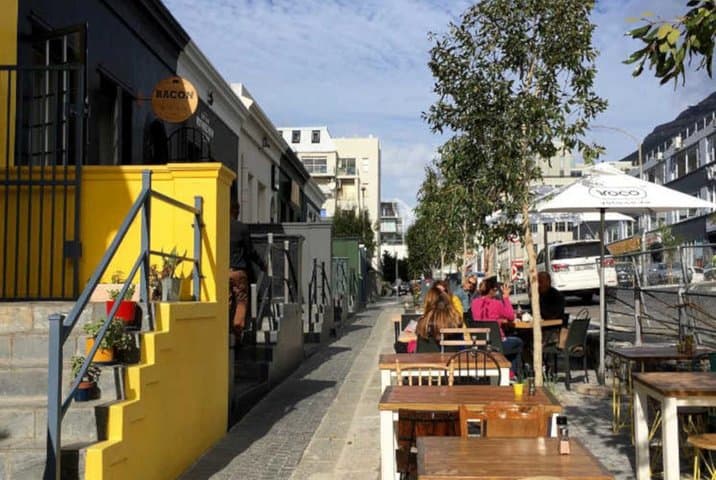
Why take a private tour? It compresses orientation, history and key viewpoints into a half-day with time to ask questions and detour to local coffee shops or markets. Leave your map at home and let a local driver-guide translate geography into the stories that make Cape Town both raw and compelling.
easy.
5 hours.
Suitable for most fitness levels; involves short walks and some steps (cable car minimizes climbing)
Most tours do not include entrance fees such as Table Mountain Cableway tickets or paid museum admissions—confirm at booking.
Yes—pickup from hotels, ports or any Cape Town address is typically available; confirm your pickup point during booking.
Yes—infant seats and stroller access are available and the tour is rated physically easy.
This itinerary provides shoreline viewpoints of Robben Island; the island itself requires a separate ferry booking and timed tour operated from the V&A Waterfront.
If the Cableway is closed due to wind, guides will substitute with other viewpoints and additional neighborhood stops—check live status on the day.
Private tours are dedicated to your party and are adaptable to interests and mobility needs; communicate preferences when booking.
Cape Town grew as a maritime stop on the spice routes; Bo‑Kaap preserves Cape Malay culture brought by enslaved and exiled communities during Dutch colonial rule.
Fynbos vegetation is fire‑adapted and regionally sensitive—stick to paths in botanical areas and avoid single‑use plastics where possible.
Exclusive Access Trading 838 Pty Ltd. operates guided outdoor trips and adventures with an emphasis on safety, stewardship, and memorable experiences.
You step out of the car and the city opens on a slope of light: Atlantic wind pushing the smell of salt and braai smoke through streets that switch from Victorian facades to rainbow-painted houses. For five hours this private tour hands you the city in manageable pieces — sea-swept viewpoints, a cable-car ascent, and narrow lanes where language and spice map a diasporic history.
You step out of the car and the city opens on a slope of light: Atlantic wind pushing the smell of salt and braai smoke through streets that switch from Victorian facades to rainbow-painted houses. For five hours this private tour hands you the city in manageable pieces — sea-swept viewpoints, a cable-car ascent, and narrow lanes where language and spice map a diasporic history.
Start with perspective. The drive up to the Table Mountain viewpoints gives the first lesson in Cape Town’s geology: an ancient, flat-topped ridge of quartzitic sandstone that has been eroded into broad cliffs and abrupt ledges. The cable car (note: ticket not included) offers 360-degree views from roughly 1,086 meters above sea level; on a clear day you can see Robben Island like a pale dot in Table Bay, and the long sweep of Clifton beaches below.
The tour threads through neighborhoods with distinct histories. Bo-Kaap’s cobbled streets and brightly painted facades recall Cape Malay culture — food, language and craft carried across centuries. A short museum stop anchors the story of apartheid-era Cape Town; it’s quiet, necessary context to the city’s social geography. Drive by the leafy expanse of Kirstenbosch Botanical Garden for a stroll through fynbos — the region’s characteristic shrubland adapted to wind and fire.
Practical notes: this is a private, five-hour outing with hotel or port pickup available across Cape Town. Expect light walking: short strolls at viewpoints, museum time, and steps at the cable car station. The itinerary includes viewpoints for Robben Island (viewed from shore), the Bo-Kaap, a garden stop, and a museum; entrance fees for places like the Table Mountain Cableway are generally not covered unless specified.
Timing and comfort matter. Cape Town weather changes fast — mornings can be calm and afternoons gusty — so layers are essential. Sun is intense; bring sunscreen even on cool days. If you plan to go up Table Mountain by cable car, check live operating status before you leave; the car closes when winds pick up. For families: infant seats and stroller access are available, and the tour is rated physically easy.
Why take a private tour? It compresses orientation, history and key viewpoints into a half-day with time to ask questions and detour to local coffee shops or markets. Leave your map at home and let a local driver-guide translate geography into the stories that make Cape Town both raw and compelling.