THE ADVENTURE COLLECTIVE® · Independent discovery and booking for outdoor travel

Make one full day count with a panoramic ascent of Table Mountain, a cliffside drive on Chapman’s Peak, and close encounters with African penguins at Boulders Beach. This curated small-group tour stitches geology, culture, and conservation into an accessible coastal loop.
Make one full day count with a panoramic ascent of Table Mountain, a cliffside drive on Chapman’s Peak, and close encounters with African penguins at Boulders Beach. This curated small-group tour stitches geology, culture, and conservation into an accessible coastal loop.
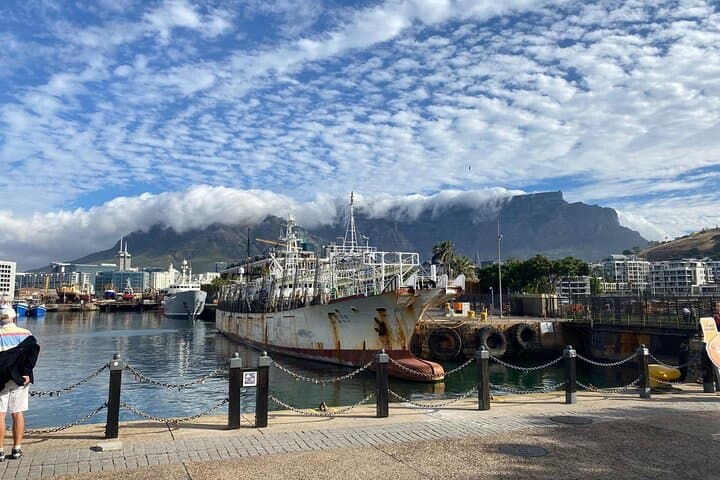
You step out of the minibus as a cold Atlantic breeze sweeps off the mountain, carrying salt and the low cry of gulls. The city unfolds in tiers — flat-top Table Mountain towering above, the Atlantic glittering to the west, False Bay a ribbon to the southeast. A small-group tour moves with a deliberate ease: cable car up Table Mountain when the weather allows, a drive that hugs sheer cliffs on Chapman’s Peak, a boardwalk wobble among waddling African penguins, and a final shoreline exhale at the colorful St James bathing huts.
Verified experiences and guided adventures in the surrounding area.
Operated by Serene Cape Tours · Cape Town, Western Cape
You step out of the minibus as a cold Atlantic breeze sweeps off the mountain, carrying salt and the low cry of gulls. The city unfolds in tiers — flat-top Table Mountain towering above, the Atlantic glittering to the west, False Bay a ribbon to the southeast. A small-group tour moves with a deliberate ease: cable car up Table Mountain when the weather allows, a drive that hugs sheer cliffs on Chapman’s Peak, a boardwalk wobble among waddling African penguins, and a final shoreline exhale at the colorful St James bathing huts.
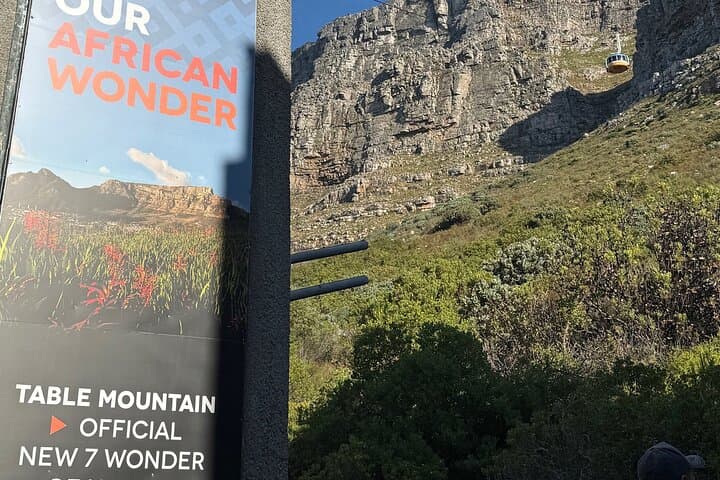
Table Mountain is more than a skyline; it’s a geological page. The flat summit is capped by hard sandstone, carved by millennia of wind and rain, while the slopes below host the fynbos — a scrub of tough, fragrant plants endemic to the Cape. The Peninsula is an intersection of histories as well: Bo-Kaap’s vibrantly painted houses speak to Cape Malay communities and the area’s past as one of the earliest free black settlements, while Cape Point’s beacons nod to the age of sail, when mariners like Bartolomeu Dias first rounded Africa’s tip.
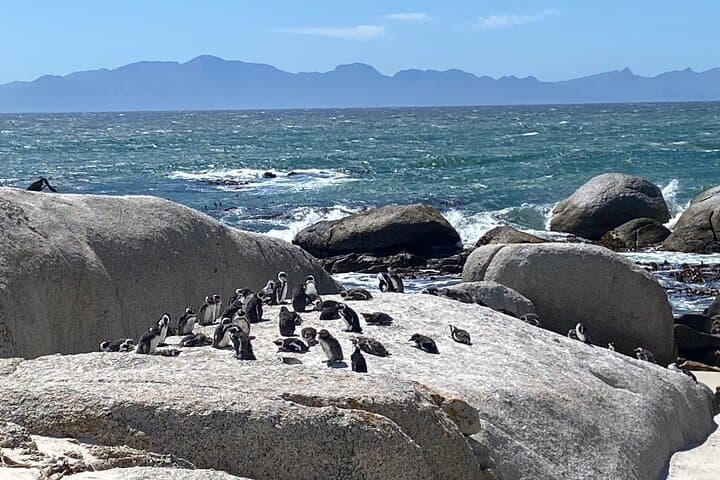
On the road between Hout Bay and Noordhoek, Chapman’s Peak Drive feels theatrical — cliffs leaning toward the sea as if to listen to the waves. At Boulders Beach, the African penguin seems audacious rather than fragile; it waddles and preens, indifferent to tourist lenses, a reminder that conservation work here is ongoing. Elsewhere, baboons patrol picnic sites with equal parts curiosity and menace; their intelligence demands respect and secure belongings.
Practicalities shape the day: expect an 8–9 hour outing with several short walks and photo stops rather than long hikes. The cable car operating schedule is weather-dependent; wind or low cloud can close it with little warning, and the tour operator will offer alternatives or refunds in those cases. Bring layers — gusts off the sea can cut through a tee-shirt — and sun protection even on cool days. Bottled water is provided, but carry a refill bottle to reduce waste.
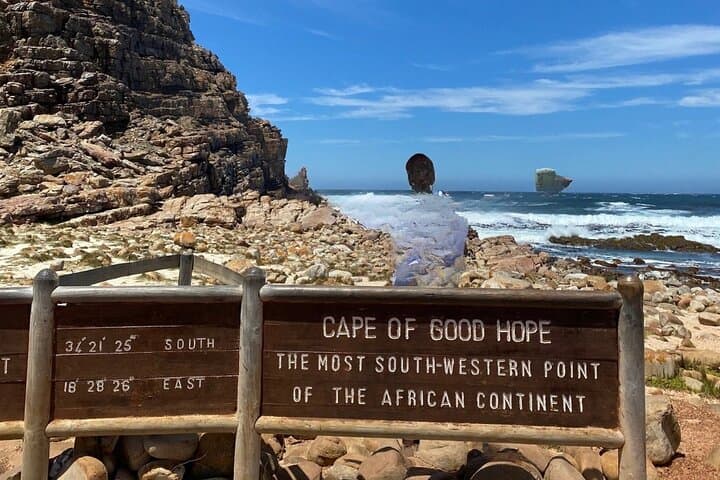
Timing matters for wildlife and light. Early-morning departures avoid mid-day crowds on the mountain and give softer light for Chapman’s Peak. At Cape Point, a short climb or the funicular delivers theater: the ocean looks different from every ledge where Atlantic and Indian currents seem to tug at the shoreline. The guide’s local knowledge turns a series of photo ops into a coherent story: geology, culture, and conservation all threaded into one long coastal breath.
For travelers who want a concentrated taste of the Cape, this loop is efficient and textured — accessible without being passive, scenic without being staged. Pack sensible shoes, a windproof layer, and an appetite for both wide-open views and compact moments: a penguin’s head tilt, a Bo-Kaap doorway painted in a color that refuses to be ignored.
easy.
8–9 hours.
Suitable for most fitness levels; expect short walks, some stair climbs and standing during photo stops.
Cable car access is typically arranged by the tour but is weather-dependent; confirm inclusion at booking and know that closures due to wind/cloud can result in alternative plans or refunds.
African penguins live there year-round and sightings are highly likely, but they are wild animals — behavior can vary and no sighting is 100% guaranteed.
There is a lunch stop at Cape Point with restaurant and restroom facilities; shorter restroom options exist at several stops and onboard the vehicle.
Yes, free pickup and drop-off is offered within a 10 km radius of Cape Town city centre; exact pickup times are communicated 24 hours before the tour.
Parts of the itinerary (the minibus, some boardwalks, and lower viewpoints) are accessible, but certain sections (summit paths and some Cape Point viewpoints) involve steps or uneven ground; contact the operator to discuss needs.
Spring and autumn (September–November, March–May) offer mild temperatures, clearer days, and better light for photos; summer is busier and winter can be windy and rainy.
Bo-Kaap reflects Cape Malay culture and the neighborhood grew from freed and enslaved peoples’ communities in the 19th century; Cape Point’s lighthouses mark centuries of maritime history tied to early European exploration.
Much of the route is inside Table Mountain National Park and a Marine Protected Area; visitors are urged to stick to paths, avoid feeding wildlife, and respect fenced breeding sites for species like the endangered African penguin.
Serene Cape Tours operates guided outdoor trips and adventures with an emphasis on safety, stewardship, and memorable experiences.
You step out of the minibus as a cold Atlantic breeze sweeps off the mountain, carrying salt and the low cry of gulls. The city unfolds in tiers — flat-top Table Mountain towering above, the Atlantic glittering to the west, False Bay a ribbon to the southeast. A small-group tour moves with a deliberate ease: cable car up Table Mountain when the weather allows, a drive that hugs sheer cliffs on Chapman’s Peak, a boardwalk wobble among waddling African penguins, and a final shoreline exhale at the colorful St James bathing huts.
You step out of the minibus as a cold Atlantic breeze sweeps off the mountain, carrying salt and the low cry of gulls. The city unfolds in tiers — flat-top Table Mountain towering above, the Atlantic glittering to the west, False Bay a ribbon to the southeast. A small-group tour moves with a deliberate ease: cable car up Table Mountain when the weather allows, a drive that hugs sheer cliffs on Chapman’s Peak, a boardwalk wobble among waddling African penguins, and a final shoreline exhale at the colorful St James bathing huts.
Table Mountain is more than a skyline; it’s a geological page. The flat summit is capped by hard sandstone, carved by millennia of wind and rain, while the slopes below host the fynbos — a scrub of tough, fragrant plants endemic to the Cape. The Peninsula is an intersection of histories as well: Bo-Kaap’s vibrantly painted houses speak to Cape Malay communities and the area’s past as one of the earliest free black settlements, while Cape Point’s beacons nod to the age of sail, when mariners like Bartolomeu Dias first rounded Africa’s tip.
On the road between Hout Bay and Noordhoek, Chapman’s Peak Drive feels theatrical — cliffs leaning toward the sea as if to listen to the waves. At Boulders Beach, the African penguin seems audacious rather than fragile; it waddles and preens, indifferent to tourist lenses, a reminder that conservation work here is ongoing. Elsewhere, baboons patrol picnic sites with equal parts curiosity and menace; their intelligence demands respect and secure belongings.
Practicalities shape the day: expect an 8–9 hour outing with several short walks and photo stops rather than long hikes. The cable car operating schedule is weather-dependent; wind or low cloud can close it with little warning, and the tour operator will offer alternatives or refunds in those cases. Bring layers — gusts off the sea can cut through a tee-shirt — and sun protection even on cool days. Bottled water is provided, but carry a refill bottle to reduce waste.
Timing matters for wildlife and light. Early-morning departures avoid mid-day crowds on the mountain and give softer light for Chapman’s Peak. At Cape Point, a short climb or the funicular delivers theater: the ocean looks different from every ledge where Atlantic and Indian currents seem to tug at the shoreline. The guide’s local knowledge turns a series of photo ops into a coherent story: geology, culture, and conservation all threaded into one long coastal breath.
For travelers who want a concentrated taste of the Cape, this loop is efficient and textured — accessible without being passive, scenic without being staged. Pack sensible shoes, a windproof layer, and an appetite for both wide-open views and compact moments: a penguin’s head tilt, a Bo-Kaap doorway painted in a color that refuses to be ignored.