THE ADVENTURE COLLECTIVE® · Independent discovery and booking for outdoor travel

Three days that stitch together Cape Town’s wild coastline, community-run townships and world-class winelands. Expect long days, dramatic lookouts and intimate encounters—from penguin colonies to cellar tours.
Three days that stitch together Cape Town’s wild coastline, community-run townships and world-class winelands. Expect long days, dramatic lookouts and intimate encounters—from penguin colonies to cellar tours.
By the time the van threads its way along Chapman's Peak Drive—114 hairpin bends stretched over 9 kilometres—the city below no longer looks like a map but an argument between rock and ocean. Spray from the Atlantic dares you to draw closer; cliff faces tilt like book pages turned by wind. This three-day loop out of Cape Town compresses the Western Cape's contradictions into a compact, readable itinerary: raw coastline and cultivated vineyards, township streets and colonial relics, colonies of jackass penguins and botanical gardens that catalogue a continent.
Verified experiences and guided adventures in the surrounding area.
Operated by Matadi Africa And Travel Tours · Cape Town, Western Cape
By the time the van threads its way along Chapman's Peak Drive—114 hairpin bends stretched over 9 kilometres—the city below no longer looks like a map but an argument between rock and ocean. Spray from the Atlantic dares you to draw closer; cliff faces tilt like book pages turned by wind. This three-day loop out of Cape Town compresses the Western Cape's contradictions into a compact, readable itinerary: raw coastline and cultivated vineyards, township streets and colonial relics, colonies of jackass penguins and botanical gardens that catalogue a continent.
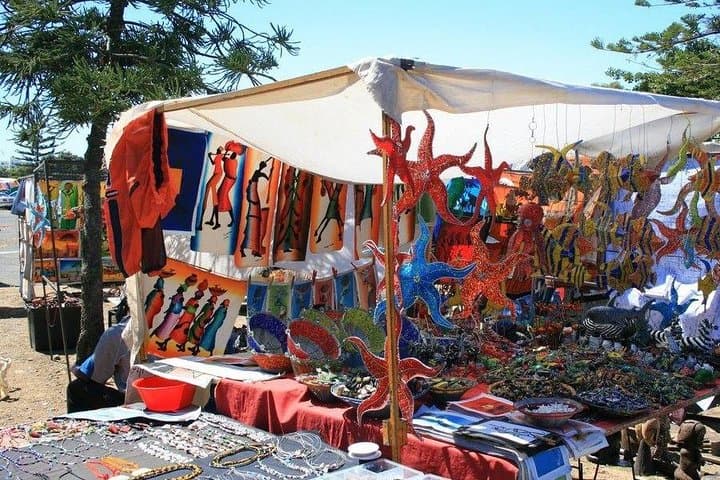
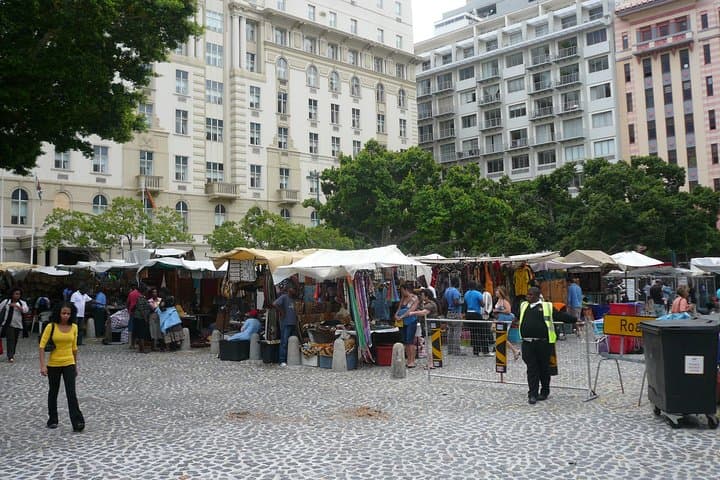
Start in the city’s complex urban core. District Six Museum and the lively streets of Langa and Khayelitsha are not photo ops; they're working neighborhoods that carry the imprint of apartheid and the resilience of community entrepreneurship. Guides here can point to murals, shebeens, and micro-businesses that tell an economic story as clear as any museum exhibit.
Day two opens in the winelands—Stellenbosch and Franschhoek—where oak-lined lanes lead to cellars and cheese pairings. Vineyards sit at roughly 100–300 m elevation, with cellar tours that are accessible but sometimes steep. Expect a handful of tastings and a lesson in Cape varietals: Chenin Blanc, Pinotage and cool-climate Sauvignon Blanc.
The peninsula on day three is geological theatre. Chapman's Peak gives way to the Cape of Good Hope and Cape Point, where cliffs drop hundreds of meters to the sea and a Victorian lighthouse watches shipping lanes. The Cape Point Nature Reserve supports more than 250 bird species and small herds of Cape mountain zebra; baboons patrol the parking lots with inevitable curiosity. Boulders Beach, with its colony of African penguins, is a rare chance to watch penguins waddle from rock to surf — the boardwalk keeps viewing close but respectful.
Practical guidance: the tour includes hotel pickup, private air-conditioned transport and entrance to Cape Point and Kirstenbosch. Expect full days—roughly 8–10 hours—of walking and standing; township visits run about six hours. Bring layered clothing (coastal wind can be cold even on sunny days), sturdy shoes for uneven boardwalks and rocky viewpoints, and sunscreen. Carry small change for local purchases and optional tram or seal cruises. Keep belongings secure around baboons and avoid feeding wildlife. Photography thrives at dawn and late afternoon—golden light makes the cliffs and vineyards glow.
This itinerary threads natural history and contemporary culture into a short span without smoothing the edges. It’s an efficient primer on why people travel to Cape Town: for sudden panoramas, for the taste of a new grape, and for the sharp, human stories that sit between sea and mountain.
moderate.
3 days (full-day excursions).
Moderate fitness—be prepared for multiple 6–10 hour days with short hikes and standing during walks.
Yes—infant seats are available and the itinerary is family-friendly, but expect long days; plan for breaks and bring snacks.
Entrance to Cape Point Nature Reserve and Kirstenbosch Botanical Gardens is included; optional extras like the penguin boardwalk may have separate fees.
Yes—the operator offers hotel and airport pickup; confirm your pickup point and arrive 30 minutes before departure.
Swimming is allowed in designated areas but avoid approaching penguins; use the boardwalks to observe without disturbing the colony.
Guided visits focus on community-run enterprises and cultural exchange; follow your guide’s instructions and avoid photographing people without permission.
Tipping is customary; 10–15% of the tour cost or a few hundred rand for multi-day service is appreciated by guides and drivers.
District Six and Langa reflect Cape Town’s layered past—forced removals in District Six and the creation of formal townships under apartheid shaped the city’s modern geography.
Cape Point and Boulders Beach are protected reserves; follow boardwalks, don’t feed wildlife, and respect signage to limit human impact.
Matadi Africa And Travel Tours operates guided outdoor trips and adventures with an emphasis on safety, stewardship, and memorable experiences.


By the time the van threads its way along Chapman's Peak Drive—114 hairpin bends stretched over 9 kilometres—the city below no longer looks like a map but an argument between rock and ocean. Spray from the Atlantic dares you to draw closer; cliff faces tilt like book pages turned by wind. This three-day loop out of Cape Town compresses the Western Cape's contradictions into a compact, readable itinerary: raw coastline and cultivated vineyards, township streets and colonial relics, colonies of jackass penguins and botanical gardens that catalogue a continent.
By the time the van threads its way along Chapman's Peak Drive—114 hairpin bends stretched over 9 kilometres—the city below no longer looks like a map but an argument between rock and ocean. Spray from the Atlantic dares you to draw closer; cliff faces tilt like book pages turned by wind. This three-day loop out of Cape Town compresses the Western Cape's contradictions into a compact, readable itinerary: raw coastline and cultivated vineyards, township streets and colonial relics, colonies of jackass penguins and botanical gardens that catalogue a continent.
Start in the city’s complex urban core. District Six Museum and the lively streets of Langa and Khayelitsha are not photo ops; they're working neighborhoods that carry the imprint of apartheid and the resilience of community entrepreneurship. Guides here can point to murals, shebeens, and micro-businesses that tell an economic story as clear as any museum exhibit.
Day two opens in the winelands—Stellenbosch and Franschhoek—where oak-lined lanes lead to cellars and cheese pairings. Vineyards sit at roughly 100–300 m elevation, with cellar tours that are accessible but sometimes steep. Expect a handful of tastings and a lesson in Cape varietals: Chenin Blanc, Pinotage and cool-climate Sauvignon Blanc.
The peninsula on day three is geological theatre. Chapman's Peak gives way to the Cape of Good Hope and Cape Point, where cliffs drop hundreds of meters to the sea and a Victorian lighthouse watches shipping lanes. The Cape Point Nature Reserve supports more than 250 bird species and small herds of Cape mountain zebra; baboons patrol the parking lots with inevitable curiosity. Boulders Beach, with its colony of African penguins, is a rare chance to watch penguins waddle from rock to surf — the boardwalk keeps viewing close but respectful.
Practical guidance: the tour includes hotel pickup, private air-conditioned transport and entrance to Cape Point and Kirstenbosch. Expect full days—roughly 8–10 hours—of walking and standing; township visits run about six hours. Bring layered clothing (coastal wind can be cold even on sunny days), sturdy shoes for uneven boardwalks and rocky viewpoints, and sunscreen. Carry small change for local purchases and optional tram or seal cruises. Keep belongings secure around baboons and avoid feeding wildlife. Photography thrives at dawn and late afternoon—golden light makes the cliffs and vineyards glow.
This itinerary threads natural history and contemporary culture into a short span without smoothing the edges. It’s an efficient primer on why people travel to Cape Town: for sudden panoramas, for the taste of a new grape, and for the sharp, human stories that sit between sea and mountain.