THE ADVENTURE COLLECTIVE® · Independent discovery and booking for outdoor travel

Cross the bay to Robben Island and stand where Nelson Mandela was held, then ride the revolving cable car up Table Mountain for sweeping views of Cape Town. This full-day private tour combines moving history with geological drama and practical logistics.
Cross the bay to Robben Island and stand where Nelson Mandela was held, then ride the revolving cable car up Table Mountain for sweeping views of Cape Town. This full-day private tour combines moving history with geological drama and practical logistics.
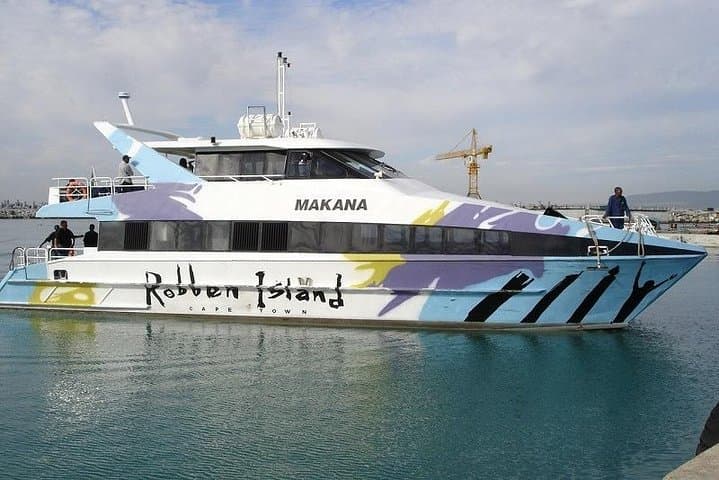
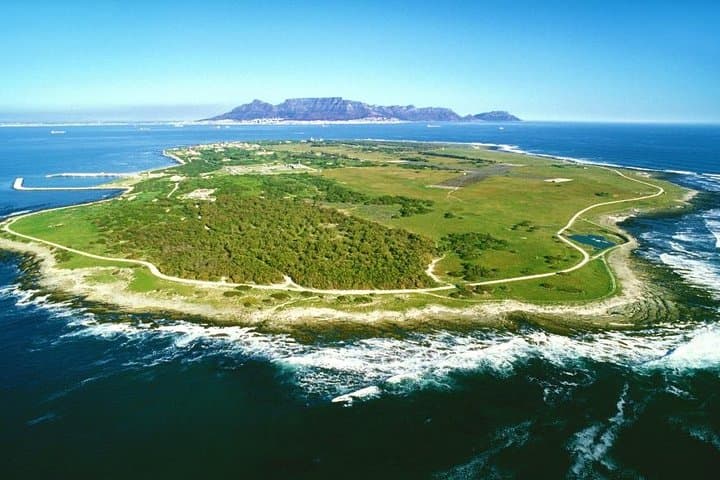
The wind off Table Bay cuts a clear line across the morning sky as the ferry backs away from the V&A Waterfront. Salt and diesel mix in the air; gulls wheel and the flat crown of Table Mountain looms ahead like an old friend refusing to be ignored. On the short crossing to Robben Island, the city’s glass towers shrink and the island’s pale prison buildings grow, their outlines sharpened by South Africa’s bright light.
Verified experiences and guided adventures in the surrounding area.
Operated by Matadi Africa And Travel Tours · Cape Town, Western Cape
The wind off Table Bay cuts a clear line across the morning sky as the ferry backs away from the V&A Waterfront. Salt and diesel mix in the air; gulls wheel and the flat crown of Table Mountain looms ahead like an old friend refusing to be ignored. On the short crossing to Robben Island, the city’s glass towers shrink and the island’s pale prison buildings grow, their outlines sharpened by South Africa’s bright light.
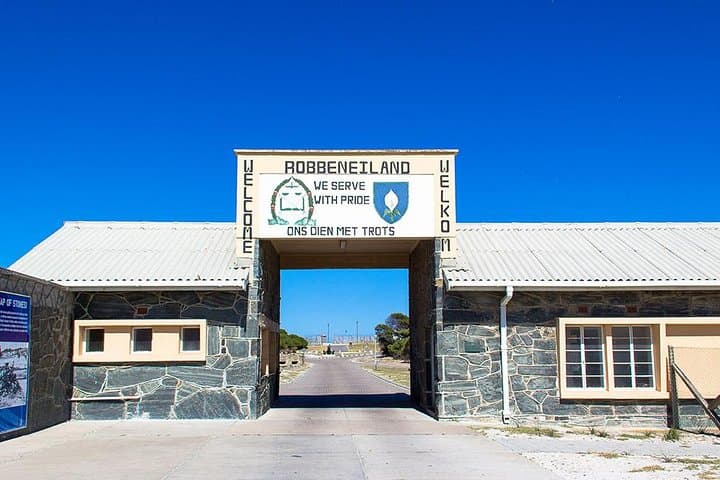
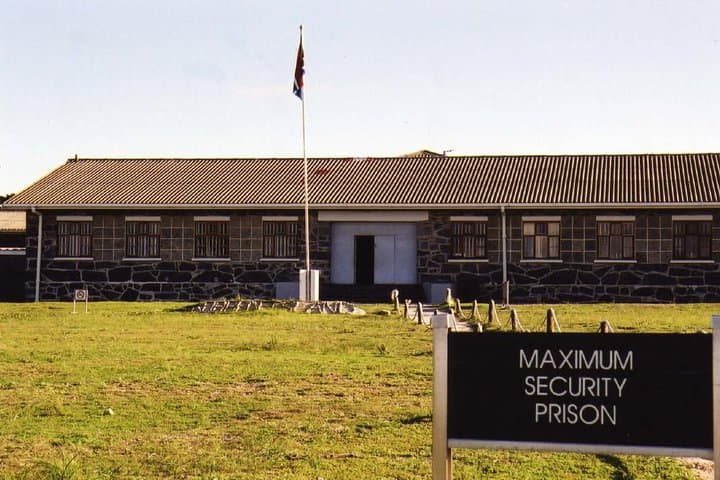
Robben Island is where politics and geology intersect. The island’s limestone and shale gave form to a penal colony that housed prisoners for centuries; most famously, Nelson Mandela spent 18 of his 27 years there. Museum guides—often former political prisoners themselves—lead bus tours between abandoned quarries and the small cells, translating personal history into precise, human-scale narratives that refuse abstraction.
Return to Cape Town and the landscape flips from human history to natural drama. Table Mountain’s sandstone plateau is part of the Cape Fold Belt; its steep cliffs and lowfynbos scrub host plants found nowhere else on Earth. The cable car climbs in a slow, rotating sweep so every angle of the city, the harbor, and the Atlantic is revealed. On clear days you can see the jagged teeth of the Hottentots Holland range and the blue band of the False Bay coastline.
This combined tour compresses culture, politics, and geology into a practical, full-day itinerary: ferry to Robben Island (guided bus and prison cell visit), then a drive through City Hall, Castle of Good Hope, and Bo-Kaap before ascending Table Mountain by cable car. The operator includes private, air-conditioned transport and hotel pickup; plan for roughly eight hours door-to-door. Dress smart casual as requested, but wear comfortable walking shoes for uneven surfaces and stairs.
Timing matters: Robben Island crossings are weather-dependent—ferries can be cancelled in high seas—so book mornings when conditions are typically calmer. Bring a light windbreaker for the ferry and a warmer layer for the plateau; the mountain is almost always several degrees cooler and windier than the city below. Accessibility is good—transport and some facilities are wheelchair friendly—but check the Robben Island museum notes for individual requirements.
Practical tip: aim for a sorted travel day—tickets are included in the tour price but the schedule is tight. Pack water, a charged phone, and a compact camera; plan for security checks and straightforward but solemn walking through sites that are living history. The day balances spectacle with weight: one moment you’re scanning a horizon from a revolving cable car, the next you’re standing in a cell that reorients how you see a nation. It’s an efficient, humbling way to read Cape Town’s edges and core in a single day.
easy.
8 hours (full day).
Suitable for most fitness levels; requires standing, short walks, and climbing stairs on the island and summit areas.
The full experience runs about eight hours, including hotel pickup, the Robben Island crossing and guided visit, city highlights, and the Table Mountain cable car.
Yes, the tour includes Robben Island admission and the ferry; times are prebooked by the operator.
Smart casual as requested, but prioritize comfortable walking shoes and layered clothing for wind and cooler temperatures on the mountain.
The operator lists wheelchair-accessible transport and some facilities, but Robben Island has areas with uneven terrain—confirm specific access needs in advance.
Yes—ferry crossings may be cancelled during rough seas. Morning departures and flexible scheduling reduce risk, but always check the operator’s guidance on the day.
The itinerary includes a walk through Bo-Kaap and cultural commentary, though time is limited—plan a separate visit if you want extended time to explore the neighborhood and museums.
Robben Island was a prison for centuries and became a powerful symbol of apartheid after holding political prisoners including Nelson Mandela; the museum is run to preserve personal testimonies.
Table Mountain National Park manages fragile fynbos ecosystems—stick to paths to protect endemic plants and support local conservation fees that fund habitat protection.
Matadi Africa And Travel Tours operates guided outdoor trips and adventures with an emphasis on safety, stewardship, and memorable experiences.
The wind off Table Bay cuts a clear line across the morning sky as the ferry backs away from the V&A Waterfront. Salt and diesel mix in the air; gulls wheel and the flat crown of Table Mountain looms ahead like an old friend refusing to be ignored. On the short crossing to Robben Island, the city’s glass towers shrink and the island’s pale prison buildings grow, their outlines sharpened by South Africa’s bright light.
The wind off Table Bay cuts a clear line across the morning sky as the ferry backs away from the V&A Waterfront. Salt and diesel mix in the air; gulls wheel and the flat crown of Table Mountain looms ahead like an old friend refusing to be ignored. On the short crossing to Robben Island, the city’s glass towers shrink and the island’s pale prison buildings grow, their outlines sharpened by South Africa’s bright light.
Robben Island is where politics and geology intersect. The island’s limestone and shale gave form to a penal colony that housed prisoners for centuries; most famously, Nelson Mandela spent 18 of his 27 years there. Museum guides—often former political prisoners themselves—lead bus tours between abandoned quarries and the small cells, translating personal history into precise, human-scale narratives that refuse abstraction.
Return to Cape Town and the landscape flips from human history to natural drama. Table Mountain’s sandstone plateau is part of the Cape Fold Belt; its steep cliffs and lowfynbos scrub host plants found nowhere else on Earth. The cable car climbs in a slow, rotating sweep so every angle of the city, the harbor, and the Atlantic is revealed. On clear days you can see the jagged teeth of the Hottentots Holland range and the blue band of the False Bay coastline.
This combined tour compresses culture, politics, and geology into a practical, full-day itinerary: ferry to Robben Island (guided bus and prison cell visit), then a drive through City Hall, Castle of Good Hope, and Bo-Kaap before ascending Table Mountain by cable car. The operator includes private, air-conditioned transport and hotel pickup; plan for roughly eight hours door-to-door. Dress smart casual as requested, but wear comfortable walking shoes for uneven surfaces and stairs.
Timing matters: Robben Island crossings are weather-dependent—ferries can be cancelled in high seas—so book mornings when conditions are typically calmer. Bring a light windbreaker for the ferry and a warmer layer for the plateau; the mountain is almost always several degrees cooler and windier than the city below. Accessibility is good—transport and some facilities are wheelchair friendly—but check the Robben Island museum notes for individual requirements.
Practical tip: aim for a sorted travel day—tickets are included in the tour price but the schedule is tight. Pack water, a charged phone, and a compact camera; plan for security checks and straightforward but solemn walking through sites that are living history. The day balances spectacle with weight: one moment you’re scanning a horizon from a revolving cable car, the next you’re standing in a cell that reorients how you see a nation. It’s an efficient, humbling way to read Cape Town’s edges and core in a single day.