THE ADVENTURE COLLECTIVE® · Independent discovery and booking for outdoor travel

A compact half-day tour that combines a cable car ascent of Table Mountain with photo stops at Camps Bay, Signal Hill and Bo‑Kaap. Ideal for first-time visitors who want a quick, layered introduction to Cape Town’s geology, history and seaside life.
A compact half-day tour that combines a cable car ascent of Table Mountain with photo stops at Camps Bay, Signal Hill and Bo‑Kaap. Ideal for first-time visitors who want a quick, layered introduction to Cape Town’s geology, history and seaside life.
You step out of the vehicle and the city opens like a map folding itself under the sky: Table Mountain’s broad, flat crown looms to the north, while to the west the Twelve Apostles ridgeline drops toward glittering Camps Bay and a catalog of blue-flag beaches. Salt and sea air carry through the open windows of an air-conditioned minibus as a registered guide sketches the day—Bo-Kaap’s painted houses, the Company Gardens’ old bamboo grove, and the stern silhouette of Robben Island across Table Bay.
Verified experiences and guided adventures in the surrounding area.
Operated by Raw African Safaris · Cape Town, Western Cape
You step out of the vehicle and the city opens like a map folding itself under the sky: Table Mountain’s broad, flat crown looms to the north, while to the west the Twelve Apostles ridgeline drops toward glittering Camps Bay and a catalog of blue-flag beaches. Salt and sea air carry through the open windows of an air-conditioned minibus as a registered guide sketches the day—Bo-Kaap’s painted houses, the Company Gardens’ old bamboo grove, and the stern silhouette of Robben Island across Table Bay.
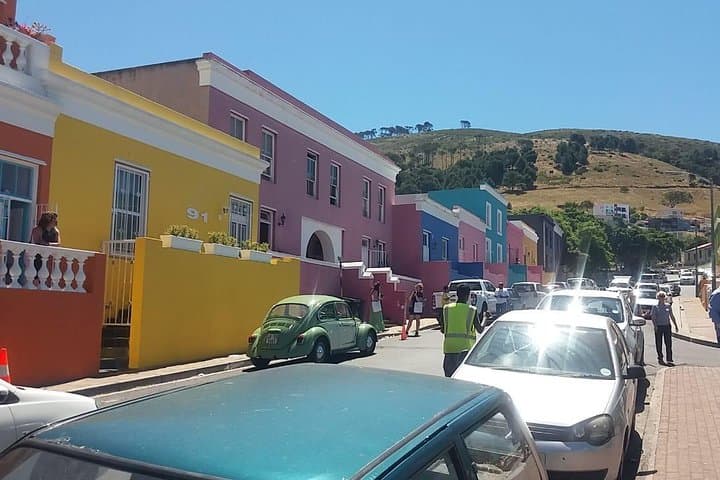
This four-hour loop is part orientation, part geology lesson, and part short-course in Cape Town’s stitched-together histories. Table Mountain is not just a backdrop; geologically it’s sandstone tablecloth laid over Cape granite, a weathered plateau shaped by wind and water for hundreds of millions of years. Bo-Kaap tells a different story: Cape Malay culture, the echoes of the slave trade and the Kaapse Klopse carnival, and a living neighborhood declared a national heritage site in 2019.
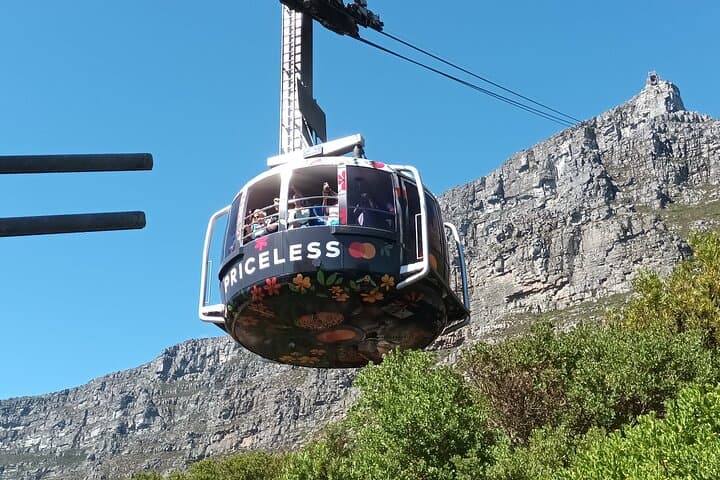
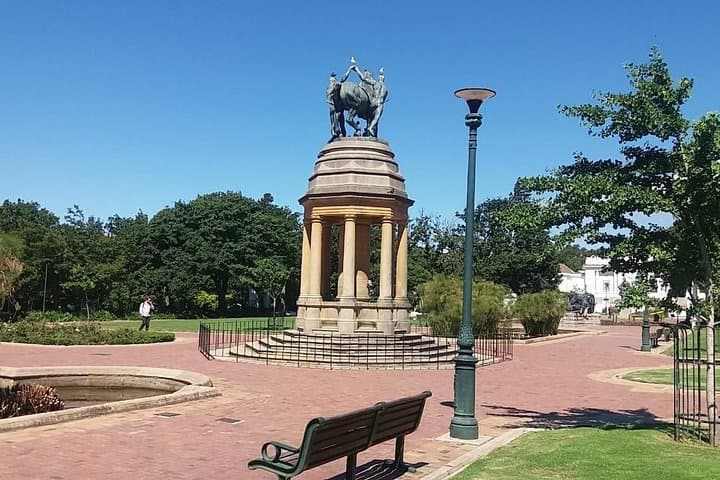
The itinerary moves with practical purpose. You’ll pause for photos at Signal Hill to watch paragliders comma the sky on good days, stroll the palm-lined promenade at Camps Bay to gauge the city’s beach life, and ride the Table Mountain cable car for a 360-degree orientation of the peninsula. A stop in the Company Gardens gives space for a short, shaded walk and a quick introduction to colonial-era monuments and botanical surprises, like the 80-year-old bamboo stand.
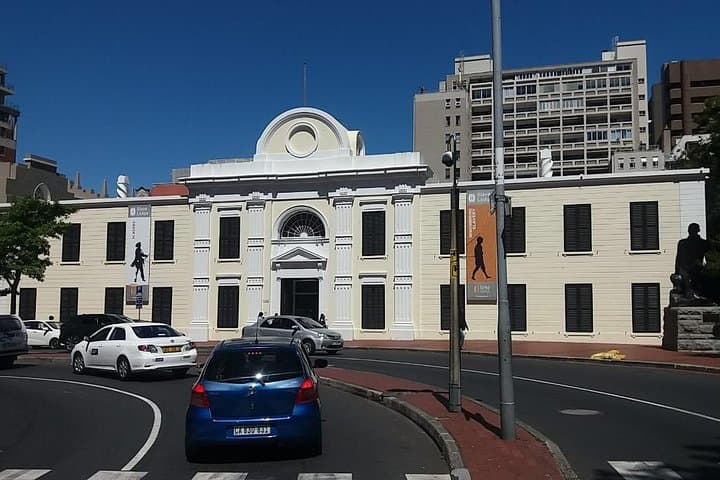
Beyond views and history, the tour frames the modern city: the economic role of tourism, the contested spaces of forced removals, and how public memory is preserved in the Castle of Good Hope and nearby museums. Guides balance storytelling with tips—where to eat, how to ride public transit, and which hikes are feasible if you want to return for a longer climb.
Practicalities matter on a condensed city tour. Wear comfortable walking shoes for cobbles and the short stairs at viewpoints. Take the included cable car ticket—but check operating hours and wind conditions in advance: the cableway closes when the weather turns. Bring sunscreen and a light wind layer; the ocean moderates temperature but Cape winds can be brisk.
For travelers with limited time, this half-day circuit delivers a compact sense of Cape Town’s geography and culture while pointing toward deeper adventures: a full-day Table Mountain hike, a visit to Robben Island, or sunset drinks on Camps Bay’s promenade. It’s a primer and a provocation—once you’ve seen the city from the mountain’s rim, you’ll understand why people come back to test new routes and better angles of this ever-changing coastal landscape.
easy.
4 hours.
Suitable for most fitness levels; involves short walks and standing at viewpoints.
Yes—the tour includes a return cable car ticket, but operations are weather-dependent and may be canceled if winds are high.
The tour notes wheelchair accessibility and infant seats; inform the operator ahead of time to arrange pickup and necessary assistance.
Expect short, easy walks at each stop—cobblestones and some stairs—but no long hikes are required on this half-day tour.
There are brief stops at Camps Bay and the Company Gardens where you can grab a quick coffee or snack; full meals will be tight within the four-hour schedule.
Yes—pickups include the Cape Town Cruise Ship Terminal at the V&A Waterfront; specify your pickup point when booking.
If the cable car is closed due to weather, guides typically extend other stops (e.g., Bo‑Kaap, Company Gardens) and provide background on mountain routes and local attractions.
Cape Town’s colonial and maritime history shaped its layout—the Castle of Good Hope is the oldest surviving colonial building in South Africa and a focal point for stories about trade and settlement.
Table Mountain National Park manages foot traffic and restoration; visitors are encouraged to stay on paths, carry out litter, and support local conservation initiatives.
Raw African Safaris operates guided outdoor trips and adventures with an emphasis on safety, stewardship, and memorable experiences.
You step out of the vehicle and the city opens like a map folding itself under the sky: Table Mountain’s broad, flat crown looms to the north, while to the west the Twelve Apostles ridgeline drops toward glittering Camps Bay and a catalog of blue-flag beaches. Salt and sea air carry through the open windows of an air-conditioned minibus as a registered guide sketches the day—Bo-Kaap’s painted houses, the Company Gardens’ old bamboo grove, and the stern silhouette of Robben Island across Table Bay.
You step out of the vehicle and the city opens like a map folding itself under the sky: Table Mountain’s broad, flat crown looms to the north, while to the west the Twelve Apostles ridgeline drops toward glittering Camps Bay and a catalog of blue-flag beaches. Salt and sea air carry through the open windows of an air-conditioned minibus as a registered guide sketches the day—Bo-Kaap’s painted houses, the Company Gardens’ old bamboo grove, and the stern silhouette of Robben Island across Table Bay.
This four-hour loop is part orientation, part geology lesson, and part short-course in Cape Town’s stitched-together histories. Table Mountain is not just a backdrop; geologically it’s sandstone tablecloth laid over Cape granite, a weathered plateau shaped by wind and water for hundreds of millions of years. Bo-Kaap tells a different story: Cape Malay culture, the echoes of the slave trade and the Kaapse Klopse carnival, and a living neighborhood declared a national heritage site in 2019.
The itinerary moves with practical purpose. You’ll pause for photos at Signal Hill to watch paragliders comma the sky on good days, stroll the palm-lined promenade at Camps Bay to gauge the city’s beach life, and ride the Table Mountain cable car for a 360-degree orientation of the peninsula. A stop in the Company Gardens gives space for a short, shaded walk and a quick introduction to colonial-era monuments and botanical surprises, like the 80-year-old bamboo stand.
Beyond views and history, the tour frames the modern city: the economic role of tourism, the contested spaces of forced removals, and how public memory is preserved in the Castle of Good Hope and nearby museums. Guides balance storytelling with tips—where to eat, how to ride public transit, and which hikes are feasible if you want to return for a longer climb.
Practicalities matter on a condensed city tour. Wear comfortable walking shoes for cobbles and the short stairs at viewpoints. Take the included cable car ticket—but check operating hours and wind conditions in advance: the cableway closes when the weather turns. Bring sunscreen and a light wind layer; the ocean moderates temperature but Cape winds can be brisk.
For travelers with limited time, this half-day circuit delivers a compact sense of Cape Town’s geography and culture while pointing toward deeper adventures: a full-day Table Mountain hike, a visit to Robben Island, or sunset drinks on Camps Bay’s promenade. It’s a primer and a provocation—once you’ve seen the city from the mountain’s rim, you’ll understand why people come back to test new routes and better angles of this ever-changing coastal landscape.