THE ADVENTURE COLLECTIVE® · Independent discovery and booking for outdoor travel

See Big Five wildlife one day, drive the cliff-hung Chapman’s Peak the next and taste Constantia’s historic wines on the third. This private 3-day loop pairs practical logistics with dramatic coastal and inland scenery.
See Big Five wildlife one day, drive the cliff-hung Chapman’s Peak the next and taste Constantia’s historic wines on the third. This private 3-day loop pairs practical logistics with dramatic coastal and inland scenery.
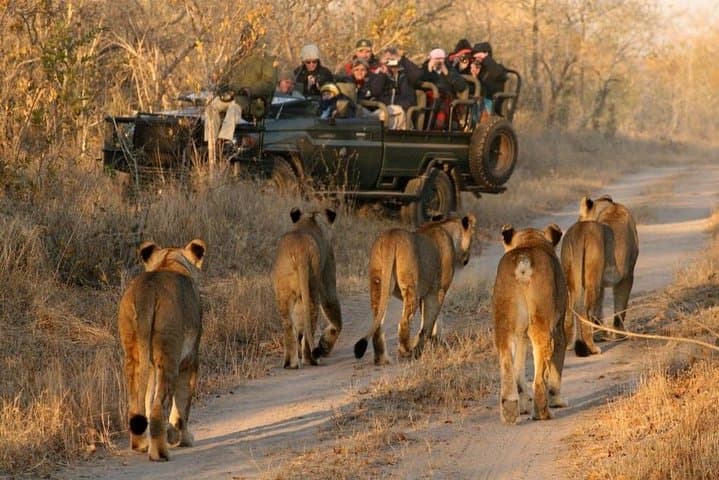
You start before sunrise, when Cape Town still smells like salt and diesel and the city’s flat-topped skyline is a line of black against orange. A private vehicle eases out of the city and into the Western Cape — first toward the semi-desert of the Klein Karoo and the private game reserve where rescued elephants and lions turn a dusty plain into a living room. The next day the ocean takes over: Chapman’s Peak cliffs, Chapman’s winds in your hair, and Cape Point where the Atlantic appears to dare the land to hold it back. Day three unfurls among vineyards: tram tracks through neat rows of vines, tasting rooms where tannins and history are explained with equal care.
Verified experiences and guided adventures in the surrounding area.
Operated by Matadi Africa And Travel Tours · Cape Town, Western Cape
You start before sunrise, when Cape Town still smells like salt and diesel and the city’s flat-topped skyline is a line of black against orange. A private vehicle eases out of the city and into the Western Cape — first toward the semi-desert of the Klein Karoo and the private game reserve where rescued elephants and lions turn a dusty plain into a living room. The next day the ocean takes over: Chapman’s Peak cliffs, Chapman’s winds in your hair, and Cape Point where the Atlantic appears to dare the land to hold it back. Day three unfurls among vineyards: tram tracks through neat rows of vines, tasting rooms where tannins and history are explained with equal care.
The three-day loop stitches together distinct local chapters. The Aquila reserve sits two to three hours inland and, because this is Western Cape safari country, there’s no malaria risk — a practical detail that changes how you pack. The Cape Peninsula tells a geological story of folded sandstones and ancient coastal uplift, visible on Chapman’s Peak and at Cape Point’s rocky promontories. Constantia and Paarl reflect a different history: Huguenot settlers, Cape Dutch farms and the mills of wine—places where cellars and tramways preserve both viticulture and community memory. The tour also passes Victor Verster (Drakenstein), the low-security complex linked to Nelson Mandela’s final days before release.
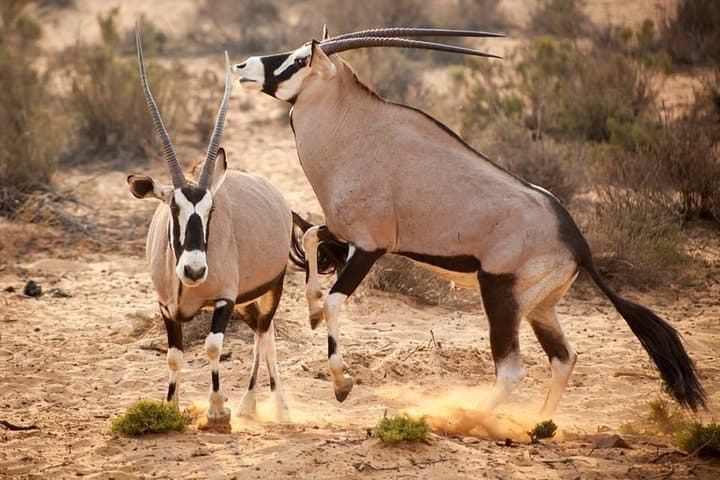
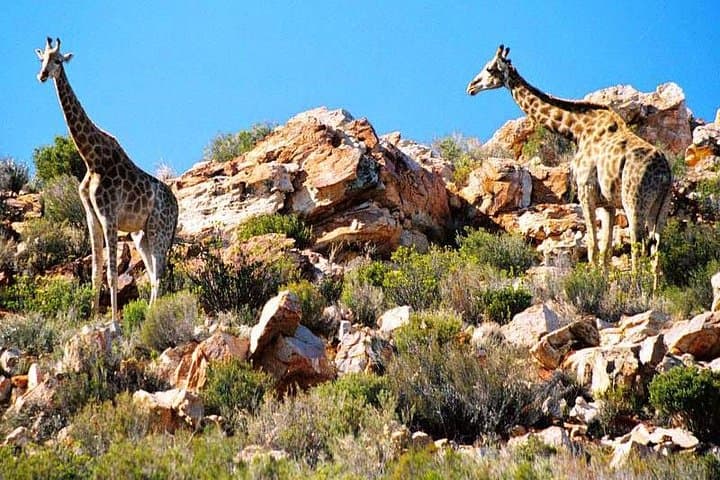
Practical gear and pacing matter. Each day is a full day — expect 8–10 hours of activity with comfortable walking, short drives and several stops. On safari, guides switch between open 4x4s and shaded observation points; keep a low voice, approach animals with restraint, and listen to rangers when close to giraffes or lions. For wine tastings, pacing matters: three tastings are scheduled on the final day, often paired with cheese or cellar tours, so choose a designated driver or rely on the included private transport.
Timing is part of the reward. Early mornings deliver softer light on animals and cooler vineyards; late afternoons sharpen cliffs and warm the colors at Cape Point. Book ahead for peak summer and holiday periods, and carry small cash for artisan stalls or additional tastings. Hydration, sun protection, and a lightweight jacket for wind on the peninsula will keep you focused on what matters: the views, the wildlife, and the wine. This three-day circuit is less about rush and more about layering experiences—safari, sea and vineyard—each with clear logistics and enough guided support to make Cape Town feel like a region you can explore confidently in just one long weekend.
moderate.
3 days (full-day activities each day).
Able to handle 8–10 hours of activity per day with periods of standing and short walks; suitable for most moderately fit travelers.
Yes. The Western Cape game reserves used on this tour are in a malaria-free area, so anti-malarial medication is not required.
Yes—tastings and cellar tours can be limited, especially during peak season; the tour includes coordinated visits but private tastings may require prior notice.
Children are welcome, but check age and safety rules for safari drives and specific wine estates; infant seats are available on request.
Lunch is included on the safari day; inform the operator of dietary needs at booking so menus and pairings can be adjusted.
Tipping is discretionary but appreciated—drivers and guides typically receive a modest tip for good service (10–15% is common).
Each day involves short to moderate walks—from boardwalks at Boulders Beach to cellar tours—nothing technically difficult but comfortable footwear is recommended.
The tour threads Huguenot settler history in Constantia and Paarl with the modern memory of Victor Verster (Drakenstein), where Nelson Mandela spent his final pre-release period.
Aquila and other reserves focus on rescue and rehabilitation of big mammals; water stewardship and fire management are active priorities in the Cape’s fragile fynbos ecosystem.
Matadi Africa And Travel Tours operates guided outdoor trips and adventures with an emphasis on safety, stewardship, and memorable experiences.

You start before sunrise, when Cape Town still smells like salt and diesel and the city’s flat-topped skyline is a line of black against orange. A private vehicle eases out of the city and into the Western Cape — first toward the semi-desert of the Klein Karoo and the private game reserve where rescued elephants and lions turn a dusty plain into a living room. The next day the ocean takes over: Chapman’s Peak cliffs, Chapman’s winds in your hair, and Cape Point where the Atlantic appears to dare the land to hold it back. Day three unfurls among vineyards: tram tracks through neat rows of vines, tasting rooms where tannins and history are explained with equal care.
You start before sunrise, when Cape Town still smells like salt and diesel and the city’s flat-topped skyline is a line of black against orange. A private vehicle eases out of the city and into the Western Cape — first toward the semi-desert of the Klein Karoo and the private game reserve where rescued elephants and lions turn a dusty plain into a living room. The next day the ocean takes over: Chapman’s Peak cliffs, Chapman’s winds in your hair, and Cape Point where the Atlantic appears to dare the land to hold it back. Day three unfurls among vineyards: tram tracks through neat rows of vines, tasting rooms where tannins and history are explained with equal care.
The three-day loop stitches together distinct local chapters. The Aquila reserve sits two to three hours inland and, because this is Western Cape safari country, there’s no malaria risk — a practical detail that changes how you pack. The Cape Peninsula tells a geological story of folded sandstones and ancient coastal uplift, visible on Chapman’s Peak and at Cape Point’s rocky promontories. Constantia and Paarl reflect a different history: Huguenot settlers, Cape Dutch farms and the mills of wine—places where cellars and tramways preserve both viticulture and community memory. The tour also passes Victor Verster (Drakenstein), the low-security complex linked to Nelson Mandela’s final days before release.
Practical gear and pacing matter. Each day is a full day — expect 8–10 hours of activity with comfortable walking, short drives and several stops. On safari, guides switch between open 4x4s and shaded observation points; keep a low voice, approach animals with restraint, and listen to rangers when close to giraffes or lions. For wine tastings, pacing matters: three tastings are scheduled on the final day, often paired with cheese or cellar tours, so choose a designated driver or rely on the included private transport.
Timing is part of the reward. Early mornings deliver softer light on animals and cooler vineyards; late afternoons sharpen cliffs and warm the colors at Cape Point. Book ahead for peak summer and holiday periods, and carry small cash for artisan stalls or additional tastings. Hydration, sun protection, and a lightweight jacket for wind on the peninsula will keep you focused on what matters: the views, the wildlife, and the wine. This three-day circuit is less about rush and more about layering experiences—safari, sea and vineyard—each with clear logistics and enough guided support to make Cape Town feel like a region you can explore confidently in just one long weekend.