THE ADVENTURE COLLECTIVE® · Independent discovery and booking for outdoor travel

Combine a heart-racing crocodile cage dive with the dramatic coastal drives of Cape Point and slow, sensory wine tastings in Stellenbosch and Franschhoek. This three-day private tour stitches wildlife, geology, and wine into a single, practical itinerary.
Combine a heart-racing crocodile cage dive with the dramatic coastal drives of Cape Point and slow, sensory wine tastings in Stellenbosch and Franschhoek. This three-day private tour stitches wildlife, geology, and wine into a single, practical itinerary.
The bus eases out of Cape Town before sunrise and the city’s granite shoulders—the flat top of Table Mountain and the ridged Twelve Apostles—recede into a ribbon of ocean and farmland. By mid-morning you’re standing on the edge of a still, green pond at Le Bonheur Reptiles & Adventures, the steel cage humming in cold water. The crocs circle like old kings, patient and deliberate; your guide clips on your harness and explains how the creatures use the murky shallows to both hunt and loaf. When the feeding starts the animals move with surprising speed, each tail flick and bubble exact and inevitable. Twenty minutes in the cage feels longer and faster at once.
Verified experiences and guided adventures in the surrounding area.
Operated by Matadi Africa And Travel Tours · Cape Town, Western Cape
The bus eases out of Cape Town before sunrise and the city’s granite shoulders—the flat top of Table Mountain and the ridged Twelve Apostles—recede into a ribbon of ocean and farmland. By mid-morning you’re standing on the edge of a still, green pond at Le Bonheur Reptiles & Adventures, the steel cage humming in cold water. The crocs circle like old kings, patient and deliberate; your guide clips on your harness and explains how the creatures use the murky shallows to both hunt and loaf. When the feeding starts the animals move with surprising speed, each tail flick and bubble exact and inevitable. Twenty minutes in the cage feels longer and faster at once.
Day two flips the script: the Cape Peninsula’s roads curve over Chapman's Peak and cliff-edge viewpoints open onto the Atlantic, where waves dare the shoreline and gulls quarter the air. Cape Point Nature Reserve presses geography and weather together—granite headlands, wind-scarred fynbos, and the meeting of cold Benguela currents and warmer Agulhas influences. The third day pours wine into tulip-shaped glasses in Stellenbosch and Franschhoek; old Cape Dutch homesteads scent the air with oak barrels and freshly cut grass as cellar doors teach you to read tannins and terroir.
This three-day combo balances adrenaline, natural drama, and slower sensory work—the biology of Nile crocodiles and the geology of the Peninsula; the cultural overlay of Afrikaans, Malay, and colonial histories in Constantia and Stellenbosch; and the living economy of the winelands that still shapes local land use.
Practical guidance: crocodile cage dives run seasonally (15 September–April). Expect a thorough safety briefing and provided dive gear; swimmers should be comfortable in cold water and able to follow guide instructions. Dress in layers for Cape Point—wind and sun can switch in minutes—and bring sturdy shoes for short walks on uneven trails. Wine tastings often include cellar tours and optional tram rides in Franschhoek; plan for designated drivers or pre-arranged transfers if you intend to buy bottles.
Timing and tips: book the croc dive early in the day (animals are most active in morning), and leave free time for Cape Point’s walking trails to avoid peak tour buses. Hydrate and pack sun protection—wind here steals heat, sun still burns. The tour is private and includes hotel pickup in Cape Town; expect a full schedule with returns in the evening on day two and three. If you travel between September and April you’ll get the croc experience; winter months are wetter and cooler in Cape Town and the winelands can be quieter but colder.
For travelers who want both a pulse-quick wildlife encounter and a measured taste of South Africa’s landscapes and wine culture, this three-day loop delivers contrast—with clear logistics, safe operations, and reasons to linger at viewpoints and tasting rooms afterward.
moderate.
3 days.
Comfortable for travelers who can manage short uneven walks, stand for boat or cage briefings, and sit through full-day drives.
Operators accept ages nine and up, but children must be supervised and meet safety briefings; check the provider’s specific age and weight limits before booking.
No scuba certification is needed—the cage dive is a guided surface and shallow-water experience with provided equipment.
Price includes private transport, air-conditioned vehicle, and admission to listed attractions; some optional activities (seal boat trips, penguin colony entrance, certain wine tastings) may cost extra.
You should be comfortable in water and able to follow instructions, though the cage keeps you secure and guides manage entry and exit.
Yes—many estates offer bottles for sale; plan for storage in the vehicle or ask about courier shipping from the estate.
The operator runs most activities year-round, but the croc dive is seasonal and some coastal activities can be impacted by extreme weather; confirm policies with the supplier before departure.
The Cape Peninsula’s landscape is shaped by ancient granite intrusions and a colonial history that transformed indigenous Khoi and San lands into farmsteads and vineyards from the 17th century onward.
Cape fynbos is a globally important but fragile biome—stay on trails at Cape Point and avoid disturbing nesting seabirds; many wine estates are adopting sustainable viticulture practices.
Matadi Africa And Travel Tours operates guided outdoor trips and adventures with an emphasis on safety, stewardship, and memorable experiences.
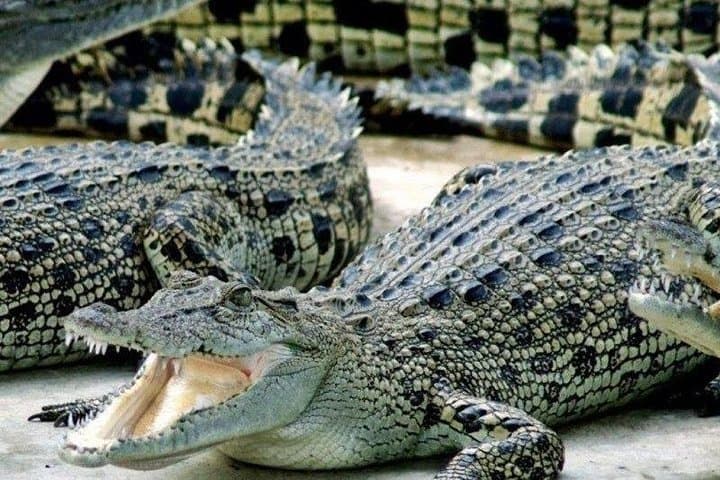
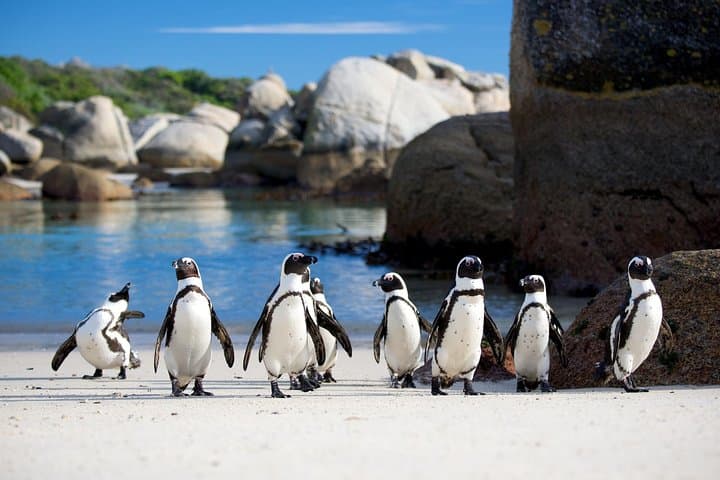
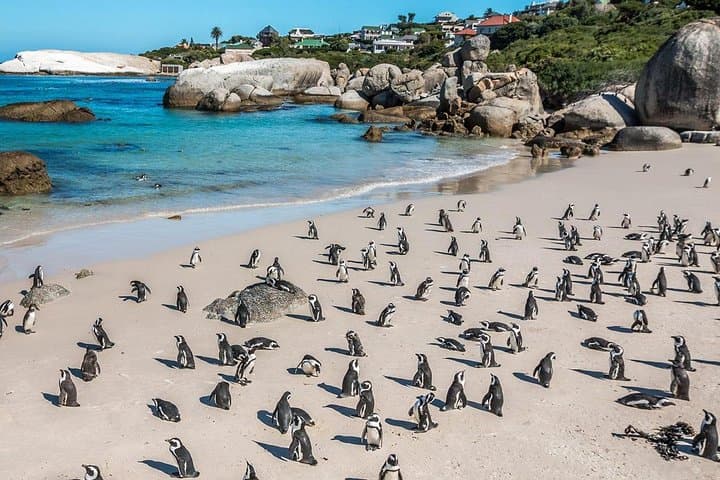
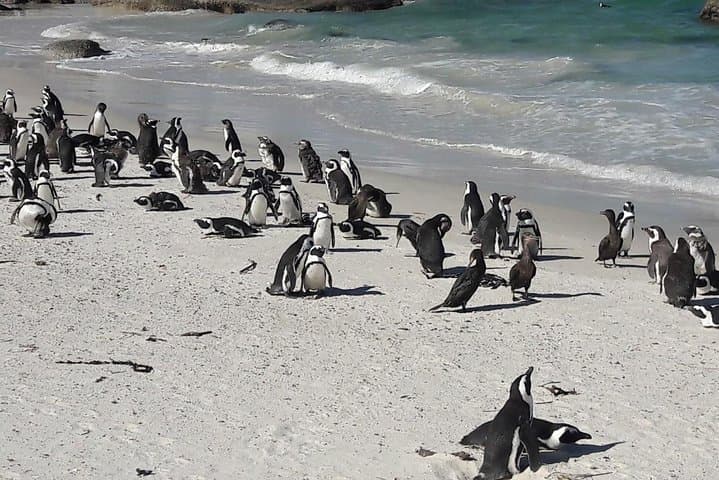
The bus eases out of Cape Town before sunrise and the city’s granite shoulders—the flat top of Table Mountain and the ridged Twelve Apostles—recede into a ribbon of ocean and farmland. By mid-morning you’re standing on the edge of a still, green pond at Le Bonheur Reptiles & Adventures, the steel cage humming in cold water. The crocs circle like old kings, patient and deliberate; your guide clips on your harness and explains how the creatures use the murky shallows to both hunt and loaf. When the feeding starts the animals move with surprising speed, each tail flick and bubble exact and inevitable. Twenty minutes in the cage feels longer and faster at once.
The bus eases out of Cape Town before sunrise and the city’s granite shoulders—the flat top of Table Mountain and the ridged Twelve Apostles—recede into a ribbon of ocean and farmland. By mid-morning you’re standing on the edge of a still, green pond at Le Bonheur Reptiles & Adventures, the steel cage humming in cold water. The crocs circle like old kings, patient and deliberate; your guide clips on your harness and explains how the creatures use the murky shallows to both hunt and loaf. When the feeding starts the animals move with surprising speed, each tail flick and bubble exact and inevitable. Twenty minutes in the cage feels longer and faster at once.
Day two flips the script: the Cape Peninsula’s roads curve over Chapman's Peak and cliff-edge viewpoints open onto the Atlantic, where waves dare the shoreline and gulls quarter the air. Cape Point Nature Reserve presses geography and weather together—granite headlands, wind-scarred fynbos, and the meeting of cold Benguela currents and warmer Agulhas influences. The third day pours wine into tulip-shaped glasses in Stellenbosch and Franschhoek; old Cape Dutch homesteads scent the air with oak barrels and freshly cut grass as cellar doors teach you to read tannins and terroir.
This three-day combo balances adrenaline, natural drama, and slower sensory work—the biology of Nile crocodiles and the geology of the Peninsula; the cultural overlay of Afrikaans, Malay, and colonial histories in Constantia and Stellenbosch; and the living economy of the winelands that still shapes local land use.
Practical guidance: crocodile cage dives run seasonally (15 September–April). Expect a thorough safety briefing and provided dive gear; swimmers should be comfortable in cold water and able to follow guide instructions. Dress in layers for Cape Point—wind and sun can switch in minutes—and bring sturdy shoes for short walks on uneven trails. Wine tastings often include cellar tours and optional tram rides in Franschhoek; plan for designated drivers or pre-arranged transfers if you intend to buy bottles.
Timing and tips: book the croc dive early in the day (animals are most active in morning), and leave free time for Cape Point’s walking trails to avoid peak tour buses. Hydrate and pack sun protection—wind here steals heat, sun still burns. The tour is private and includes hotel pickup in Cape Town; expect a full schedule with returns in the evening on day two and three. If you travel between September and April you’ll get the croc experience; winter months are wetter and cooler in Cape Town and the winelands can be quieter but colder.
For travelers who want both a pulse-quick wildlife encounter and a measured taste of South Africa’s landscapes and wine culture, this three-day loop delivers contrast—with clear logistics, safe operations, and reasons to linger at viewpoints and tasting rooms afterward.