THE ADVENTURE COLLECTIVE® · Independent discovery and booking for outdoor travel

Stand where two oceans meet, visit an African penguin colony, and cruise past thousands of Cape fur seals on this eight-hour circuit of the Cape Peninsula. Expect dramatic cliffs, short coastal walks, and wildlife encounters that reward patience.
Stand where two oceans meet, visit an African penguin colony, and cruise past thousands of Cape fur seals on this eight-hour circuit of the Cape Peninsula. Expect dramatic cliffs, short coastal walks, and wildlife encounters that reward patience.
You arrive with salt in your lungs and wind already rearranging your hair—the parking area at Cape Point feels like the edge of the world. Waves throw themselves at basalt cliffs, gulls wheel as if critiquing the view, and the path to the old lighthouse runs along a rocky spine where fynbos hugs the trail. The day peels open here: close encounters with African penguins, a boat skimming toward a riot of barking fur seals, and wide panoramas that force you to slow your step.
Verified experiences and guided adventures in the surrounding area.
Operated by Maricopa Travel Tours · Cape Town, Western Cape
You arrive with salt in your lungs and wind already rearranging your hair—the parking area at Cape Point feels like the edge of the world. Waves throw themselves at basalt cliffs, gulls wheel as if critiquing the view, and the path to the old lighthouse runs along a rocky spine where fynbos hugs the trail. The day peels open here: close encounters with African penguins, a boat skimming toward a riot of barking fur seals, and wide panoramas that force you to slow your step.
This route is geological theatre. The Cape Peninsula is dominated by pale Table Mountain sandstone sitting atop older Cape granite; the resulting cliffs and coves were carved by the collision of weather and ocean over millions of years. Portuguese sailors first charted these shoals in the 15th century—Bartolomeu Dias named the headland the “Cape of Good Hope” after surviving the treacherous passage—and the maritime history is visible in rusted moorings and the lighthouse that warns ships still.
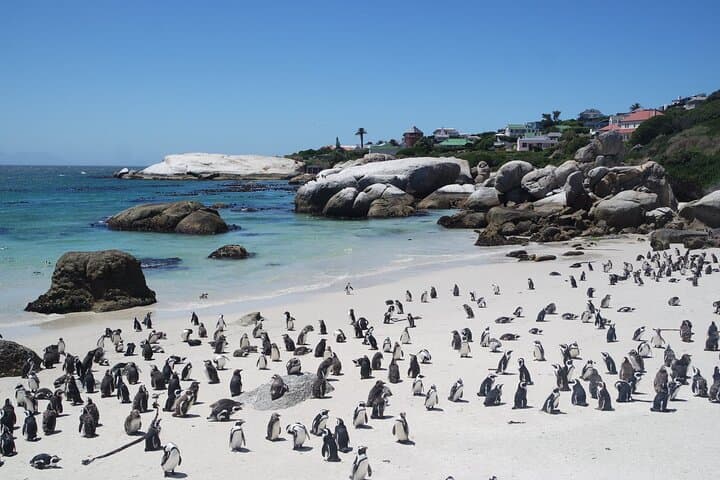
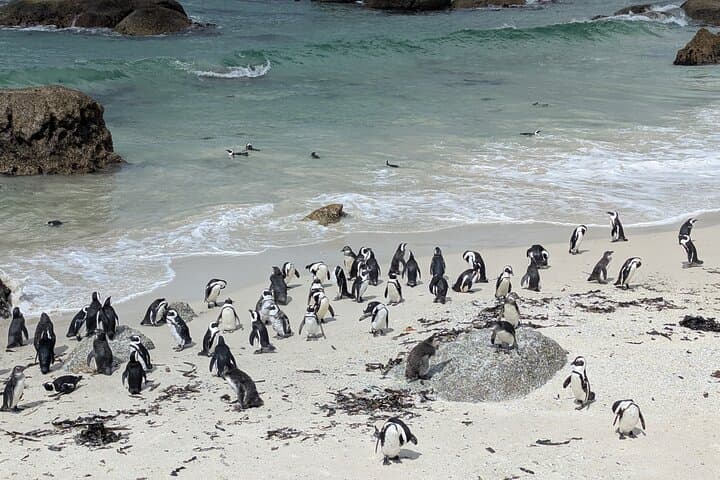
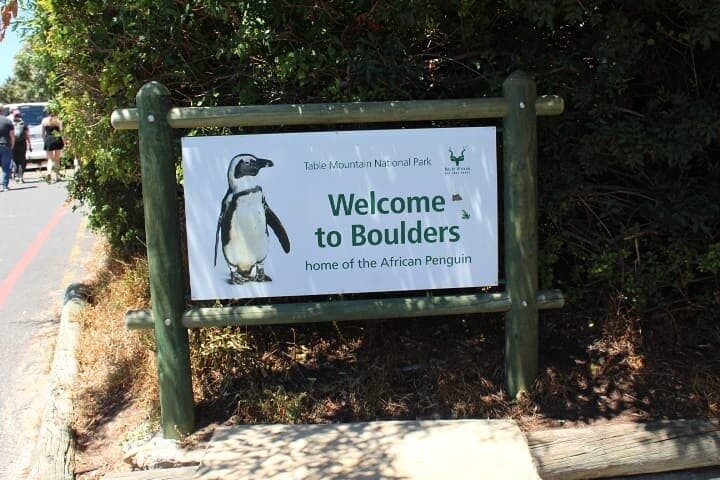
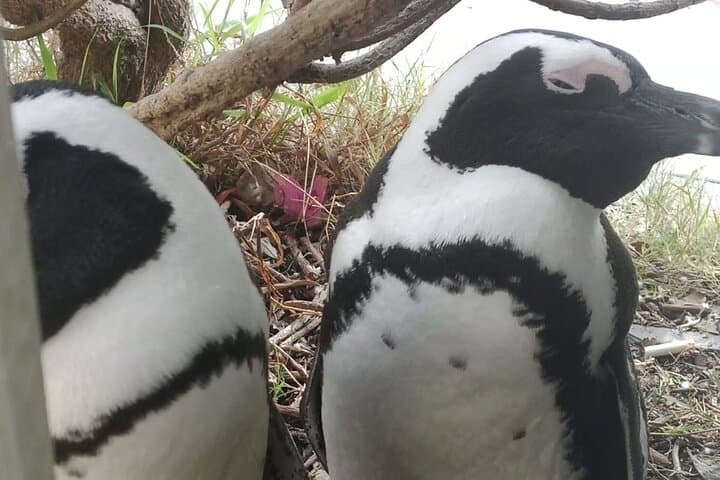
Culture here is compact and maritime: Simon’s Town preserves a naval past, Hout Bay still smells of fish and diesel, and local communities have long relied on the sea for livelihood. Conservation threads through the itinerary—Boulders Penguin Colony was set aside in 1983 to protect endangered African penguins, and Cape Point sits inside Table Mountain National Park, a protected area where boardwalk etiquette matters.
Practicalities are straightforward. The full-day tour runs about eight hours with hotel pickup from central Cape Town; expect two hours at Cape Point reserve and time on the boardwalks at Boulders Beach. The walk to the old lighthouse is short—roughly 0.5–1 km each way with under 100 m of elevation gain—and the funicular (Flying Dutchman) cuts the ascent if you prefer. Seal Island departures are weather-dependent and can be choppy; wear layers and secure cameras.
Timing matters: mornings are quieter at the penguin colony; late afternoon light gilds the cliffs. Wildlife encounters are unpredictable—penguins may loaf on the rocks, seals explode from the water, baboons patrol parking lots—so keep distance and follow guides. Bring sunscreen, a windproof jacket, and a reusable water bottle. Respect boardwalks and signage—small choices here support big conservation wins for declining species.
For photographers and travelers who want a compact taste of the Cape, this circuit stitches dramatic geology, living wildlife, and coastal history into one manageable day. Expect brisk ocean breezes, a chorus of seals, and a constant visual reminder that you are standing where two great oceans argue with each other.
easy.
8 hours.
Suitable for most fitness levels; includes short walks and brief stair/cliff paths under 100 m elevation gain
Yes—the itinerary notes Boulders Beach admission is included during the tour segment for the colony visit.
Seal counts are high, but sightings depend on sea conditions; the boat brings you close to their haul-out rocks when safe.
The Flying Dutchman funicular often runs but can close for maintenance or weather—there is always a walk option to the lighthouse.
Yes—infants must sit on a lap and the tour is family-friendly, though boats and some walks may be challenging for very young children.
Do not feed or approach baboons; keep windows and doors closed at viewpoints and store food in the vehicle.
The main lighthouse walk is short—about 0.5–1 km each way with under 100 m elevation gain; optional trails are longer and more strenuous.
The headland was first rounded by Portuguese explorers in the 15th century and later renamed the Cape of Good Hope as maritime routes opened to the East.
The area sits inside Table Mountain National Park; visitors are asked to stay on boardwalks and avoid feeding wildlife to protect endangered species like the African penguin.
Maricopa Travel Tours operates guided outdoor trips and adventures with an emphasis on safety, stewardship, and memorable experiences.
You arrive with salt in your lungs and wind already rearranging your hair—the parking area at Cape Point feels like the edge of the world. Waves throw themselves at basalt cliffs, gulls wheel as if critiquing the view, and the path to the old lighthouse runs along a rocky spine where fynbos hugs the trail. The day peels open here: close encounters with African penguins, a boat skimming toward a riot of barking fur seals, and wide panoramas that force you to slow your step.
You arrive with salt in your lungs and wind already rearranging your hair—the parking area at Cape Point feels like the edge of the world. Waves throw themselves at basalt cliffs, gulls wheel as if critiquing the view, and the path to the old lighthouse runs along a rocky spine where fynbos hugs the trail. The day peels open here: close encounters with African penguins, a boat skimming toward a riot of barking fur seals, and wide panoramas that force you to slow your step.
This route is geological theatre. The Cape Peninsula is dominated by pale Table Mountain sandstone sitting atop older Cape granite; the resulting cliffs and coves were carved by the collision of weather and ocean over millions of years. Portuguese sailors first charted these shoals in the 15th century—Bartolomeu Dias named the headland the “Cape of Good Hope” after surviving the treacherous passage—and the maritime history is visible in rusted moorings and the lighthouse that warns ships still.
Culture here is compact and maritime: Simon’s Town preserves a naval past, Hout Bay still smells of fish and diesel, and local communities have long relied on the sea for livelihood. Conservation threads through the itinerary—Boulders Penguin Colony was set aside in 1983 to protect endangered African penguins, and Cape Point sits inside Table Mountain National Park, a protected area where boardwalk etiquette matters.
Practicalities are straightforward. The full-day tour runs about eight hours with hotel pickup from central Cape Town; expect two hours at Cape Point reserve and time on the boardwalks at Boulders Beach. The walk to the old lighthouse is short—roughly 0.5–1 km each way with under 100 m of elevation gain—and the funicular (Flying Dutchman) cuts the ascent if you prefer. Seal Island departures are weather-dependent and can be choppy; wear layers and secure cameras.
Timing matters: mornings are quieter at the penguin colony; late afternoon light gilds the cliffs. Wildlife encounters are unpredictable—penguins may loaf on the rocks, seals explode from the water, baboons patrol parking lots—so keep distance and follow guides. Bring sunscreen, a windproof jacket, and a reusable water bottle. Respect boardwalks and signage—small choices here support big conservation wins for declining species.
For photographers and travelers who want a compact taste of the Cape, this circuit stitches dramatic geology, living wildlife, and coastal history into one manageable day. Expect brisk ocean breezes, a chorus of seals, and a constant visual reminder that you are standing where two great oceans argue with each other.