THE ADVENTURE COLLECTIVE® · Independent discovery and booking for outdoor travel

See the Cape Peninsula in a single, well-paced day: sweeping coastal drives, penguin colonies at Boulders Beach, Kirstenbosch’s fynbos and the dramatic cliffs of Cape Point. This private tour packs geology, maritime history and wildlife into an 8–9 hour circuit with guide-led context and admissions covered.
See the Cape Peninsula in a single, well-paced day: sweeping coastal drives, penguin colonies at Boulders Beach, Kirstenbosch’s fynbos and the dramatic cliffs of Cape Point. This private tour packs geology, maritime history and wildlife into an 8–9 hour circuit with guide-led context and admissions covered.
The day begins with a coastline that refuses to be ordinary: the Atlantic hurls itself against granite, wind picks at your jacket, and the Twelve Apostles etch a serrated horizon as the minivan eases out of Cape Town.
Verified experiences and guided adventures in the surrounding area.
Operated by 1st Zulu Safaris · Cape Town, Western Cape
The day begins with a coastline that refuses to be ordinary: the Atlantic hurls itself against granite, wind picks at your jacket, and the Twelve Apostles etch a serrated horizon as the minivan eases out of Cape Town.
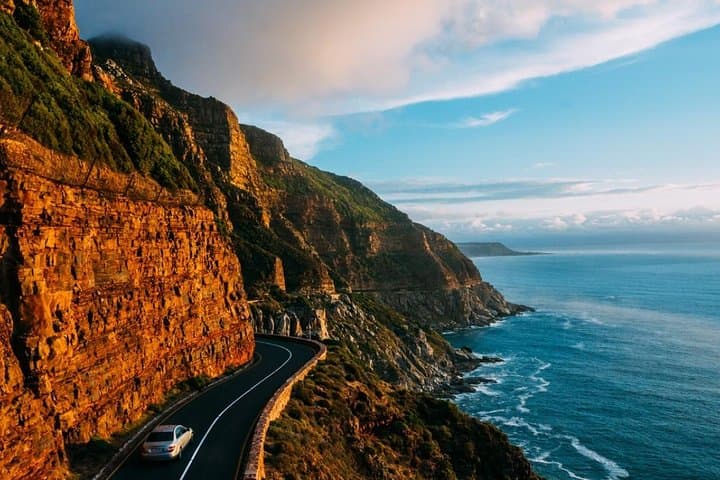
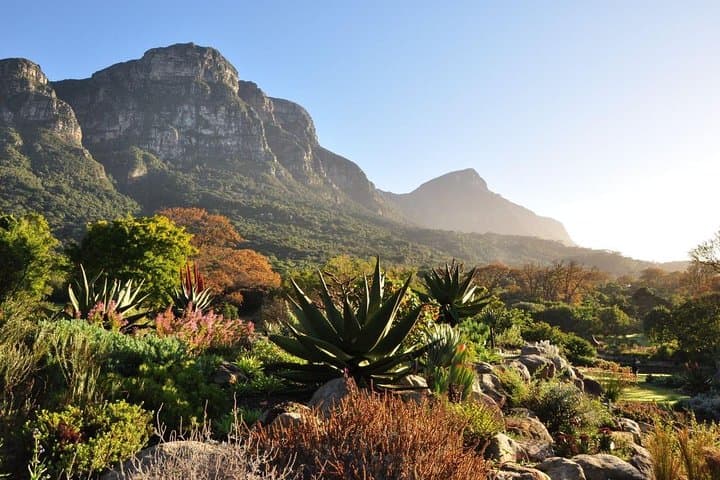
Over the next eight to nine hours a private guide stitches together the peninsula’s best acts — a photo stop above Camps Bay, seal-scouting at Hout Bay, the hairpin drama of Chapman's Peak Drive, the show-stopping cliffs at Cape Point and the close-up charm of Boulders Beach’ African penguins. Kirstenbosch Botanical Gardens offers a quieter cadence: a living cabinet of South Africa’s fynbos where proteas lean into the sun.
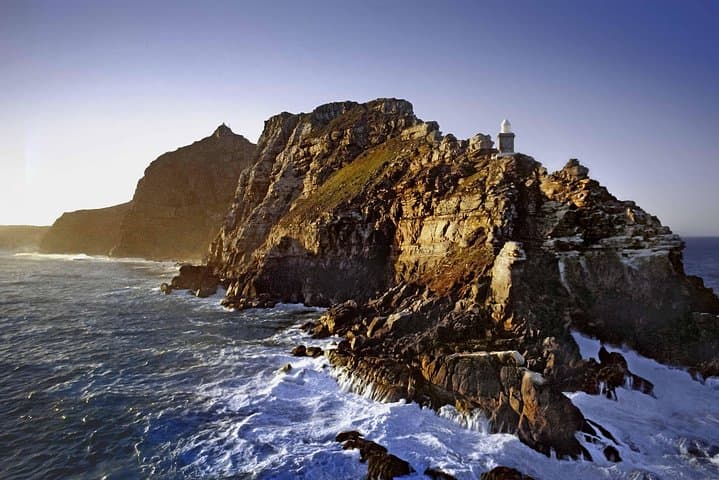
Geology here is blunt and old. Table Mountain’s sandstone gives way to the Cape Fold Belt and the blunt granite boulders at Boulders Beach, carved by millennia of sea and wind. Cape Point’s cliffs plunge more than 200 meters into the ocean; currents here pushed ships into legend and named this headland the Cape of Storms before it became the Cape of Good Hope to seafaring cartographers.
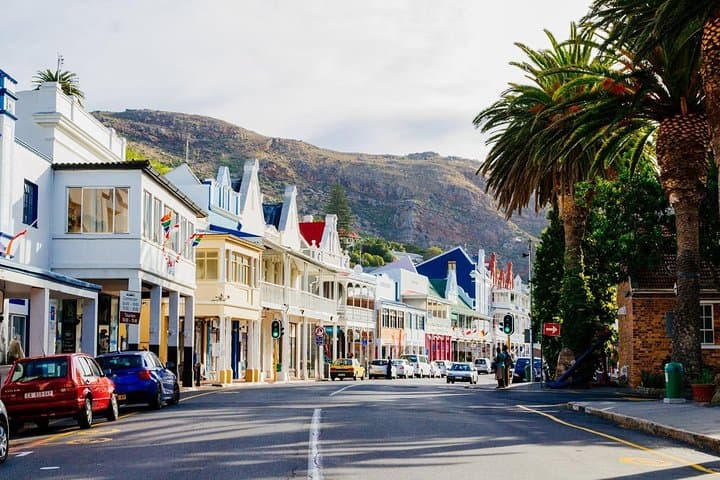
Culturally the peninsula is stitched with stories: Khoisan presence and place names, colonial-era sea routes, Victorian naval yards in Simon’s Town and a fishing-village ethic that still governs markets and cafés. Guides on this private route typically add local color — from the Flying Dutchman myth tied to the Cape Point funicular to the conservation story of the African penguin colony that took root on Boulders Beach in 1982.
Practicality meets pleasure: expect an on-road day of roughly 8–9 hours with several short walks — the Cape Point lighthouse is accessible via a funicular (approx. R80 per person, not always included) or a 10–20 minute uphill walk from the car park. Boulders Beach charges an entry fee (around R160) to protect the birds. The route covers mixed surfaces: paved lookouts, boardwalks at the penguin colony and short gravel paths at Cape Point, so comfortable, broken-in walking shoes are essential.
Timing matters — mornings are quieter at Chapman's Peak and Hout Bay; late afternoon brings low sun on Kirstenbosch and dials up the cliffs’ textures. Water and sun protection are non-negotiable; bring a compact wind layer and a camera with a telephoto for penguin portraits. If you plan pickup from a hotel, confirm the 30-minute pre-departure pickup window and tell your operator about any mobility constraints — the day can be tailored, but several short walks are involved.
This is a compact, high-value circuit: coastline, wildlife, botany and maritime history all within a single, well-paced day that leaves you with a clearer sense of why the Cape Peninsula feels like a place the ocean keeps returning to.
easy.
8–9 hours.
Suitable for most fitness levels but expect several short uphill walks and a long day on your feet; basic stamina required.
Yes—pickup is available from many central hotels; confirm your pickup location and time when booking and expect a 30-minute pre-departure window.
Some admissions are covered (Cape Point National Park, Boulders Beach entry often included by the operator), but funicular and certain Kirstenbosch activities may be extra—check the booking details.
Yes—families are welcome; the itinerary is physically easy but keep young children supervised at cliffs and boardwalks.
Boardwalks keep visitors at a safe distance to protect the colony; obey signage and staff to avoid stressing the birds.
The funicular is available but usually costs extra (circa R80); visitors can also walk up from the car park in about 10–20 minutes.
The operator may cancel in bad weather—standard refund/cancellation terms apply (full refund if cancelled at least 24 hours before departure).
The Cape Peninsula has long been a maritime crossroads—from indigenous Khoisan use to Portuguese and Dutch sea routes; the headland’s name evolved as sailors learned its hazards and promise.
Boulders Beach and Cape Point are part of protected reserves focused on endangered species and habitat restoration; visitors are asked to stay on paths and avoid disturbing wildlife.
1st Zulu Safaris operates guided outdoor trips and adventures with an emphasis on safety, stewardship, and memorable experiences.
The day begins with a coastline that refuses to be ordinary: the Atlantic hurls itself against granite, wind picks at your jacket, and the Twelve Apostles etch a serrated horizon as the minivan eases out of Cape Town.
The day begins with a coastline that refuses to be ordinary: the Atlantic hurls itself against granite, wind picks at your jacket, and the Twelve Apostles etch a serrated horizon as the minivan eases out of Cape Town.
Over the next eight to nine hours a private guide stitches together the peninsula’s best acts — a photo stop above Camps Bay, seal-scouting at Hout Bay, the hairpin drama of Chapman's Peak Drive, the show-stopping cliffs at Cape Point and the close-up charm of Boulders Beach’ African penguins. Kirstenbosch Botanical Gardens offers a quieter cadence: a living cabinet of South Africa’s fynbos where proteas lean into the sun.
Geology here is blunt and old. Table Mountain’s sandstone gives way to the Cape Fold Belt and the blunt granite boulders at Boulders Beach, carved by millennia of sea and wind. Cape Point’s cliffs plunge more than 200 meters into the ocean; currents here pushed ships into legend and named this headland the Cape of Storms before it became the Cape of Good Hope to seafaring cartographers.
Culturally the peninsula is stitched with stories: Khoisan presence and place names, colonial-era sea routes, Victorian naval yards in Simon’s Town and a fishing-village ethic that still governs markets and cafés. Guides on this private route typically add local color — from the Flying Dutchman myth tied to the Cape Point funicular to the conservation story of the African penguin colony that took root on Boulders Beach in 1982.
Practicality meets pleasure: expect an on-road day of roughly 8–9 hours with several short walks — the Cape Point lighthouse is accessible via a funicular (approx. R80 per person, not always included) or a 10–20 minute uphill walk from the car park. Boulders Beach charges an entry fee (around R160) to protect the birds. The route covers mixed surfaces: paved lookouts, boardwalks at the penguin colony and short gravel paths at Cape Point, so comfortable, broken-in walking shoes are essential.
Timing matters — mornings are quieter at Chapman's Peak and Hout Bay; late afternoon brings low sun on Kirstenbosch and dials up the cliffs’ textures. Water and sun protection are non-negotiable; bring a compact wind layer and a camera with a telephoto for penguin portraits. If you plan pickup from a hotel, confirm the 30-minute pre-departure pickup window and tell your operator about any mobility constraints — the day can be tailored, but several short walks are involved.
This is a compact, high-value circuit: coastline, wildlife, botany and maritime history all within a single, well-paced day that leaves you with a clearer sense of why the Cape Peninsula feels like a place the ocean keeps returning to.