THE ADVENTURE COLLECTIVE® · Independent discovery and booking for outdoor travel

Follow a private morning loop from Cape Town along Chapman's Peak to Cape Point and the Cape of Good Hope, then wind back via Boulders Beach to see African penguins. This five- to six-hour tour blends dramatic sea cliffs, historic lighthouses and coastal wildlife viewing.
Follow a private morning loop from Cape Town along Chapman's Peak to Cape Point and the Cape of Good Hope, then wind back via Boulders Beach to see African penguins. This five- to six-hour tour blends dramatic sea cliffs, historic lighthouses and coastal wildlife viewing.
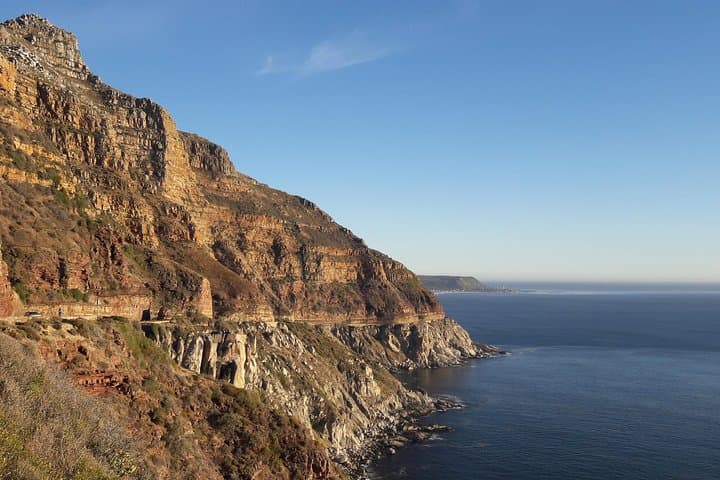
The bus peels away from Cape Town before sunrise, hugging the serrated edge of the Twelve Apostles as the ocean breathes salt through the windows. By the time Chapman's Peak unfurls its hairpin turns and plunges to the sea below, the light has sharpened: cliffs glow, waves flash, and the air tastes like the open Atlantic daring you farther down the peninsula. This is not a postcard stop. It’s a coastline with a voice — the gulls calling, the cliffs insisting you look over the rail.
Verified experiences and guided adventures in the surrounding area.
Operated by Table Mountain hiking and sightseeing tours · Cape Town, Western Cape
The bus peels away from Cape Town before sunrise, hugging the serrated edge of the Twelve Apostles as the ocean breathes salt through the windows. By the time Chapman's Peak unfurls its hairpin turns and plunges to the sea below, the light has sharpened: cliffs glow, waves flash, and the air tastes like the open Atlantic daring you farther down the peninsula. This is not a postcard stop. It’s a coastline with a voice — the gulls calling, the cliffs insisting you look over the rail.
The route is an old one. Portuguese navigators rounded these shores in the 15th century, and later British maritime engineers planted a lighthouse to guard ships making the long detour around Africa. Geologically, the Cape Peninsula is carved from Table Mountain Sandstone — hard, layered rock that resists the ocean’s appetite and forms the dramatic headlands you’ll study from the viewpoint at Cape Point. Cultural notes appear along the drive: Hout Bay’s fishing boats, small-scale vineyards in Constantia, and the austere naval buildings of Simon’s Town.
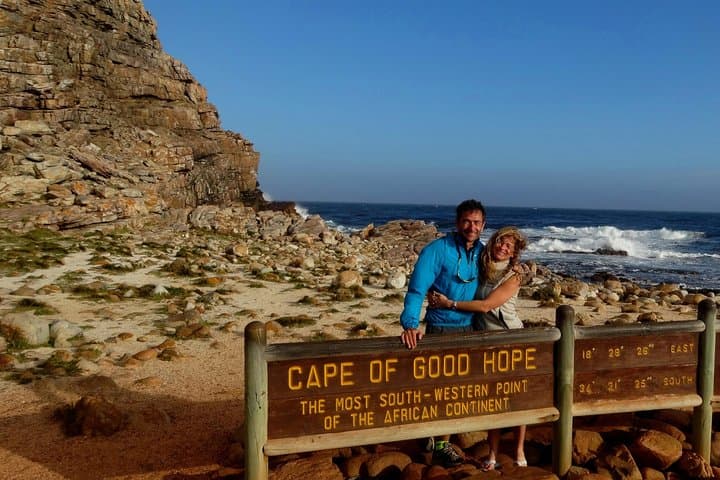
At the reserve, the land changes tone. Wind-sculpted fynbos — a unique South African shrubland — bends toward the sea. The funicular or the short, steep walk up to the old lighthouse gives you a panoramic lesson in scale: the cliff drops, the ocean widens, and you can stand at the province’s southwestern edge and feel the hemisphere of sky.
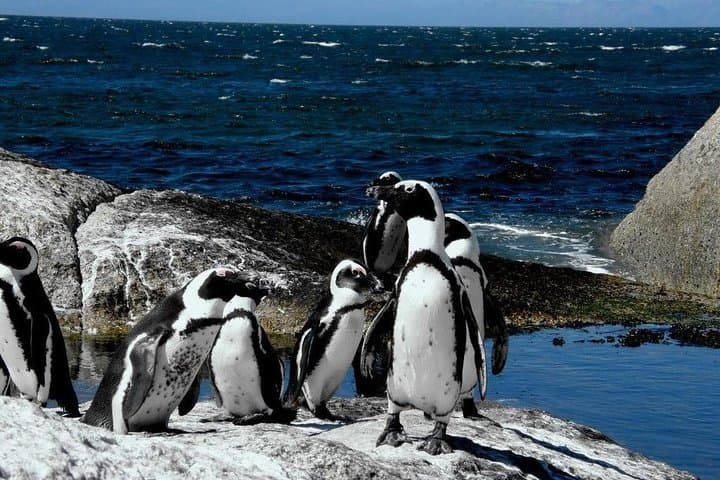
The tour finishes with a gentler note: Boulders Beach, where African penguins waddle and sun themselves on sheltered granite outcrops. A raised boardwalk lets you watch at eye level without crowding the colony; the birds are habituated but vulnerable, so the viewing is respectful and contained.
Practicalities: the full circular route from Cape Town covers roughly 180 kilometers and runs about 5–6 hours. Roads are paved and the tour is private and air-conditioned, but expect short walks on uneven paths and stairs at lookout points. Bring layers — wind on the cliffs can be biting even on warm days — and sturdy shoes for the lighthouse trail and beach boardwalk. Keep water handy; there are restroom and café stops but fewer than you might want on a long summer day.
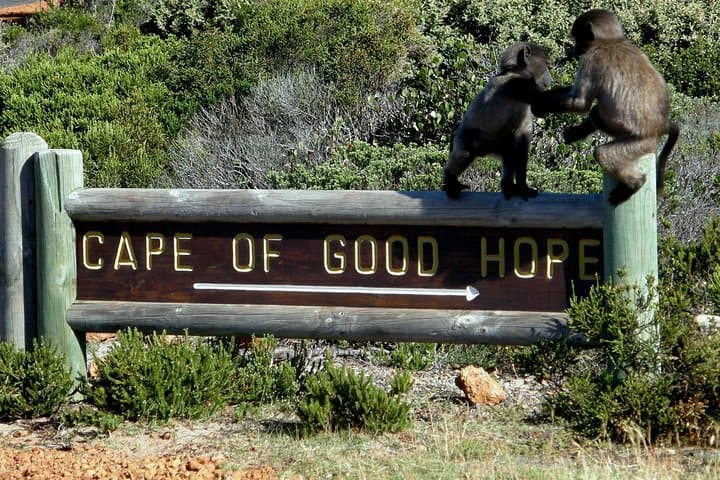
Respect wildlife: don’t feed penguins and keep distance from chacma baboons, which are curious and can be aggressive if they smell food. There’s a small toll at Chapman's Peak and a reserve entrance fee at Cape Point. If you want fewer people, early morning departures (this private morning option) give you the clearest light and quieter viewpoints. For photographers, the funicular ascent and Chapman's Peak viewpoints deliver the most dramatic compositions. Plan your visit with weather in mind — the peninsula’s mood can change quickly, but that’s part of the adventure.
moderate.
5–6 hours.
Light to moderate — suitable for most travelers who can handle short walks, stairs and occasional uneven terrain.
The private morning tour lasts about 5–6 hours and follows a roughly 180 km circular route from Cape Town down to Cape Point and back via False Bay.
Reserve entrance fees and the Chapman's Peak toll are not included in the standard inclusions—bring cash to cover local charges if required.
You can view African penguins from raised boardwalks that keep wildlife safe while allowing close observation; touching or approaching penguins is not permitted.
You can reach the old lighthouse by a steep path; a funicular (when operating) provides an easier ascent for those who prefer to avoid stairs.
Yes—this tour notes stroller accessibility for infants and small children, though some viewpoints involve steps and uneven ground.
Keep food and bags secured; do not feed baboons and back away slowly if one approaches—drivers/guides are experienced in managing encounters.
The Cape Peninsula marks a historic maritime route first charted by Portuguese sailors; the Cape Point lighthouse was built in the 19th century to reduce shipwrecks along these rocky shores.
African penguin numbers have declined; stick to boardwalks and follow signage to protect nesting areas. Stay on marked paths to prevent fynbos erosion.
Table Mountain hiking and sightseeing tours operates guided outdoor trips and adventures with an emphasis on safety, stewardship, and memorable experiences.
The bus peels away from Cape Town before sunrise, hugging the serrated edge of the Twelve Apostles as the ocean breathes salt through the windows. By the time Chapman's Peak unfurls its hairpin turns and plunges to the sea below, the light has sharpened: cliffs glow, waves flash, and the air tastes like the open Atlantic daring you farther down the peninsula. This is not a postcard stop. It’s a coastline with a voice — the gulls calling, the cliffs insisting you look over the rail.
The bus peels away from Cape Town before sunrise, hugging the serrated edge of the Twelve Apostles as the ocean breathes salt through the windows. By the time Chapman's Peak unfurls its hairpin turns and plunges to the sea below, the light has sharpened: cliffs glow, waves flash, and the air tastes like the open Atlantic daring you farther down the peninsula. This is not a postcard stop. It’s a coastline with a voice — the gulls calling, the cliffs insisting you look over the rail.
The route is an old one. Portuguese navigators rounded these shores in the 15th century, and later British maritime engineers planted a lighthouse to guard ships making the long detour around Africa. Geologically, the Cape Peninsula is carved from Table Mountain Sandstone — hard, layered rock that resists the ocean’s appetite and forms the dramatic headlands you’ll study from the viewpoint at Cape Point. Cultural notes appear along the drive: Hout Bay’s fishing boats, small-scale vineyards in Constantia, and the austere naval buildings of Simon’s Town.
At the reserve, the land changes tone. Wind-sculpted fynbos — a unique South African shrubland — bends toward the sea. The funicular or the short, steep walk up to the old lighthouse gives you a panoramic lesson in scale: the cliff drops, the ocean widens, and you can stand at the province’s southwestern edge and feel the hemisphere of sky.
The tour finishes with a gentler note: Boulders Beach, where African penguins waddle and sun themselves on sheltered granite outcrops. A raised boardwalk lets you watch at eye level without crowding the colony; the birds are habituated but vulnerable, so the viewing is respectful and contained.
Practicalities: the full circular route from Cape Town covers roughly 180 kilometers and runs about 5–6 hours. Roads are paved and the tour is private and air-conditioned, but expect short walks on uneven paths and stairs at lookout points. Bring layers — wind on the cliffs can be biting even on warm days — and sturdy shoes for the lighthouse trail and beach boardwalk. Keep water handy; there are restroom and café stops but fewer than you might want on a long summer day.
Respect wildlife: don’t feed penguins and keep distance from chacma baboons, which are curious and can be aggressive if they smell food. There’s a small toll at Chapman's Peak and a reserve entrance fee at Cape Point. If you want fewer people, early morning departures (this private morning option) give you the clearest light and quieter viewpoints. For photographers, the funicular ascent and Chapman's Peak viewpoints deliver the most dramatic compositions. Plan your visit with weather in mind — the peninsula’s mood can change quickly, but that’s part of the adventure.