THE ADVENTURE COLLECTIVE® · Independent discovery and booking for outdoor travel

Drive Chapman’s Peak, hike to Cape Point’s lighthouse, and meet the African penguins at Boulders Beach on this full‑day loop from Cape Town. Expect dramatic coastal views, fynbos and a handful of short hikes paired with local history and wildlife viewing.
Drive Chapman’s Peak, hike to Cape Point’s lighthouse, and meet the African penguins at Boulders Beach on this full‑day loop from Cape Town. Expect dramatic coastal views, fynbos and a handful of short hikes paired with local history and wildlife viewing.
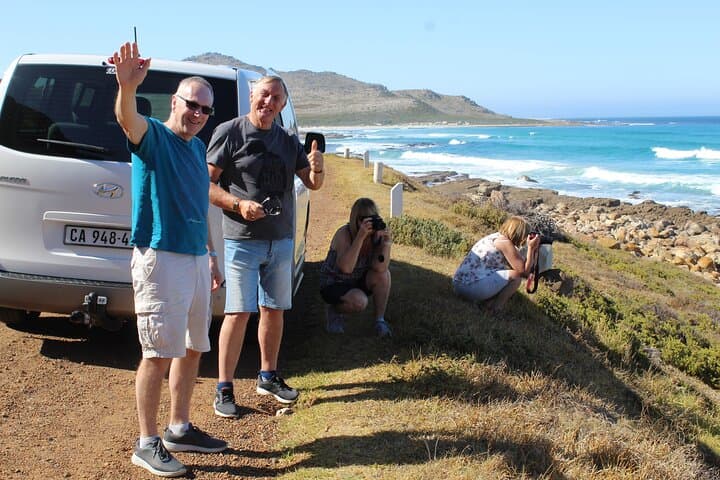
The vehicle eases off the city grid and the ocean takes over: a long blue shoulder flanked by sculpted cliffs, protea-sprinkled slopes, and the compressed, salty air that pushes inland. Travelers on this full-day loop from Cape Town move from stylish waterfronts through the knife-edge of Chapman’s Peak Drive, past fisher’s harbors, to the ragged headlands of Cape Point and the colony of Cape penguins at Boulders Beach. The day is a sequence of short walks, lookout stops and coastal histories that feel like an outdoor classroom for geology and human story.
Verified experiences and guided adventures in the surrounding area.
Operated by Flamboyant Travel and Tours · Cape Town, Western Cape
The vehicle eases off the city grid and the ocean takes over: a long blue shoulder flanked by sculpted cliffs, protea-sprinkled slopes, and the compressed, salty air that pushes inland. Travelers on this full-day loop from Cape Town move from stylish waterfronts through the knife-edge of Chapman’s Peak Drive, past fisher’s harbors, to the ragged headlands of Cape Point and the colony of Cape penguins at Boulders Beach. The day is a sequence of short walks, lookout stops and coastal histories that feel like an outdoor classroom for geology and human story.
Geology here is blunt and visible — Table Mountain’s granite gives way to slates and sandstones, and the coastline shows the work of wind and wave over millions of years. The Cape Peninsula marks a meeting of two oceans; currents carve cliffs into amphitheaters where seals and seabirds claim vantage points. Botanically, the fynbos dominates: low, tough shrubs and bright proteas adapted to thin soils and seasonal fire. That flora feeds a string of endemic birds, including the Cape sugarbird and orange-breasted sunbird in spring.
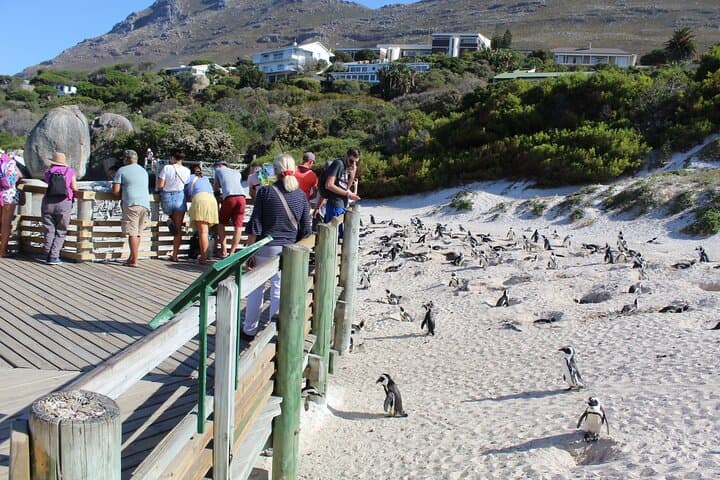
Human history is layered into the route. Hout Bay and Simon’s Town carry fishing and naval legacies; shipwrecks dot the record along these coasts and the Cape Point lighthouse is a relic of 19th-century maritime navigation. The penguin colony at Boulders began as a conservation success story in the 1980s and is now a window into the pressures of development, tourism and climate change.
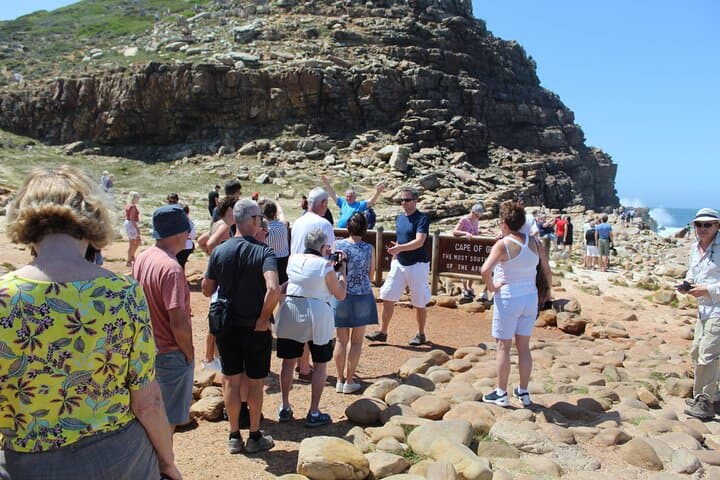
Practical side: this is an 8–9 hour shared tour with hotel pickup from the Waterfront (The Silo Hotel area), small-group stops for photos and multiple short hikes — expect a 10–20 minute steep climb to the old lighthouse and boardwalk walks at Boulders. In winter months (June–Aug) keep your eyes on the bay for whales; in calmer seas you might spot seals around Seal Island.
Pack for sun, wind and variable terrain: layered clothing, windproof shell, sturdy shoes and a refillable water bottle. Baboons are bold; keep bags zipped and food stored. If you plan to paddle at Boulders, bring swimwear and a towel, but respect wildlife viewing rules and stay on designated boardwalks near penguin colonies.
Timing matters: sunrise and late afternoon soften the light for photos and reduce heat in summer, while midday offers the clearest sea color for the sweeping coastal panoramas. Guides on these shared tours add local context—pointing out shipwreck stories, the best protea blooms and where to find a reliable seafood lunch in Hout Bay or Simon’s Town. The result is a compact, varied day that stitches natural history, wildlife viewing and coastal driving into a single, memorable circuit from Cape Town.
moderate.
8–9 hours.
Light to moderate fitness: able to manage 10–20 minute steep climbs and multiple short walks over mixed surfaces.
The shared full‑day tour runs approximately 8–9 hours with hotel pickup and drop‑off in Cape Town.
Entry fees are excluded for some sites; confirm which admissions are covered when booking and carry cash or card for park fees.
Yes — wooden boardwalks at Boulders Beach allow close viewing without disturbing nesting sites; swimming near them is possible but regulated.
No—whale sightings (June–August) are seasonal and not guaranteed, but winter increases the probability of sightings along Chapman’s Peak and bays.
Yes — the itinerary includes stops in Hout Bay and Simon’s Town where cafes and restrooms are available for meals and breaks.
Yes — the tour is suitable for families, with stroller access in some areas; infants must sit on laps during transport unless a seat is provided.
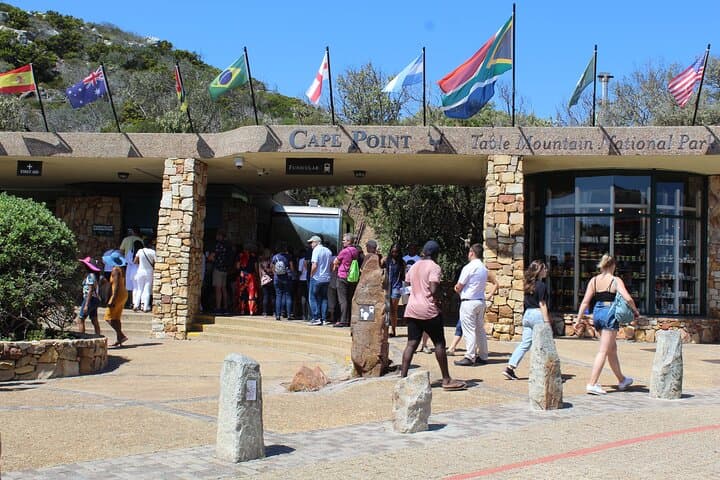
The Cape Peninsula is a historic maritime crossroads; lighthouses and shipwreck records trace centuries of navigation challenges, and Simon’s Town bears naval heritage including the story of Just Nuisance, a WWII-era naval dog.
The African penguin colony is a conservation focus—visitors are asked to stay on boardwalks and respect breeding areas; local reserves manage fynbos conservation and fire‑adapted habitats.
Flamboyant Travel and Tours operates guided outdoor trips and adventures with an emphasis on safety, stewardship, and memorable experiences.
The vehicle eases off the city grid and the ocean takes over: a long blue shoulder flanked by sculpted cliffs, protea-sprinkled slopes, and the compressed, salty air that pushes inland. Travelers on this full-day loop from Cape Town move from stylish waterfronts through the knife-edge of Chapman’s Peak Drive, past fisher’s harbors, to the ragged headlands of Cape Point and the colony of Cape penguins at Boulders Beach. The day is a sequence of short walks, lookout stops and coastal histories that feel like an outdoor classroom for geology and human story.
The vehicle eases off the city grid and the ocean takes over: a long blue shoulder flanked by sculpted cliffs, protea-sprinkled slopes, and the compressed, salty air that pushes inland. Travelers on this full-day loop from Cape Town move from stylish waterfronts through the knife-edge of Chapman’s Peak Drive, past fisher’s harbors, to the ragged headlands of Cape Point and the colony of Cape penguins at Boulders Beach. The day is a sequence of short walks, lookout stops and coastal histories that feel like an outdoor classroom for geology and human story.
Geology here is blunt and visible — Table Mountain’s granite gives way to slates and sandstones, and the coastline shows the work of wind and wave over millions of years. The Cape Peninsula marks a meeting of two oceans; currents carve cliffs into amphitheaters where seals and seabirds claim vantage points. Botanically, the fynbos dominates: low, tough shrubs and bright proteas adapted to thin soils and seasonal fire. That flora feeds a string of endemic birds, including the Cape sugarbird and orange-breasted sunbird in spring.
Human history is layered into the route. Hout Bay and Simon’s Town carry fishing and naval legacies; shipwrecks dot the record along these coasts and the Cape Point lighthouse is a relic of 19th-century maritime navigation. The penguin colony at Boulders began as a conservation success story in the 1980s and is now a window into the pressures of development, tourism and climate change.
Practical side: this is an 8–9 hour shared tour with hotel pickup from the Waterfront (The Silo Hotel area), small-group stops for photos and multiple short hikes — expect a 10–20 minute steep climb to the old lighthouse and boardwalk walks at Boulders. In winter months (June–Aug) keep your eyes on the bay for whales; in calmer seas you might spot seals around Seal Island.
Pack for sun, wind and variable terrain: layered clothing, windproof shell, sturdy shoes and a refillable water bottle. Baboons are bold; keep bags zipped and food stored. If you plan to paddle at Boulders, bring swimwear and a towel, but respect wildlife viewing rules and stay on designated boardwalks near penguin colonies.
Timing matters: sunrise and late afternoon soften the light for photos and reduce heat in summer, while midday offers the clearest sea color for the sweeping coastal panoramas. Guides on these shared tours add local context—pointing out shipwreck stories, the best protea blooms and where to find a reliable seafood lunch in Hout Bay or Simon’s Town. The result is a compact, varied day that stitches natural history, wildlife viewing and coastal driving into a single, memorable circuit from Cape Town.