THE ADVENTURE COLLECTIVE® · Independent discovery and booking for outdoor travel

Drive Chapman's Peak, meet African penguins at Boulders Beach and stand where the land tips into the Atlantic at Cape Point. A six‑hour loop from Cape Town that blends dramatic coastal geology, wildlife viewing and practical advice for making the most of a day on the peninsula.
Drive Chapman's Peak, meet African penguins at Boulders Beach and stand where the land tips into the Atlantic at Cape Point. A six‑hour loop from Cape Town that blends dramatic coastal geology, wildlife viewing and practical advice for making the most of a day on the peninsula.
The van peels away from Cape Town’s city grid and the ocean takes over—first a sparkling shoulder to your left, then the road angling into granite and glassy bays as Chapman's Peak tightens into its 114 curves. Sea spray knifes the air and the cliffs seem to dare you to look away. This is a day built around movement: coastal drives, short coastal walks, wildlife encounters and enough viewpoints to make your phone breathe a sigh of exhaustion.
Verified experiences and guided adventures in the surrounding area.
Operated by Matadi Africa And Travel Tours · Cape Town, Western Cape
The van peels away from Cape Town’s city grid and the ocean takes over—first a sparkling shoulder to your left, then the road angling into granite and glassy bays as Chapman's Peak tightens into its 114 curves. Sea spray knifes the air and the cliffs seem to dare you to look away. This is a day built around movement: coastal drives, short coastal walks, wildlife encounters and enough viewpoints to make your phone breathe a sigh of exhaustion.
Start with the drive. Chapman's Peak Drive is roughly 9 km of engineered drama—hairpins and sheer drops that frame False Bay and the Atlantic. The geology here is Table Mountain sandstone and Cape granite meeting the ocean; where they collide, cliffs have been scoured into vertical faces and deep coves. At Cape Point the land leans forward, cliffs rising in stages to the lighthouse, and the wind teaches you to walk with purpose.
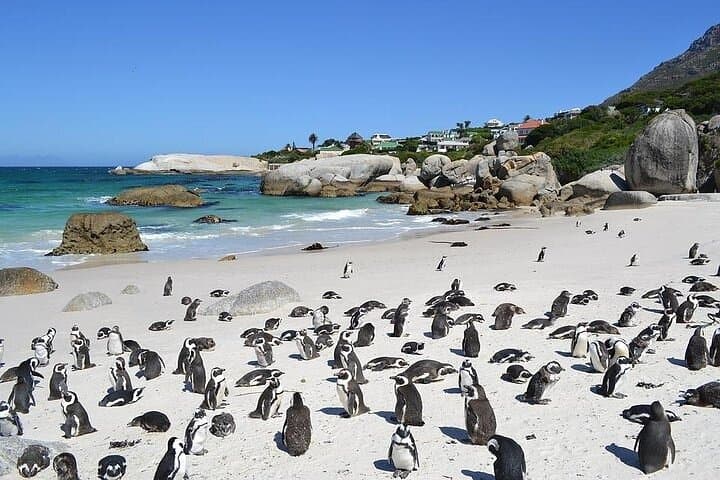
History threads through the route. Bartolomeu Dias first mapped these shores in 1488; later navigators named the Cape of Good Hope for the promise of a sea route to the east. Simon’s Town grew as a naval base and now keeps a quieter rhythm—wooden boats, fisherman’s sheds and the colony of African (jackass) penguins at Boulders Beach, where a small granite inlet shelters colonies that settled there in the early 20th century.
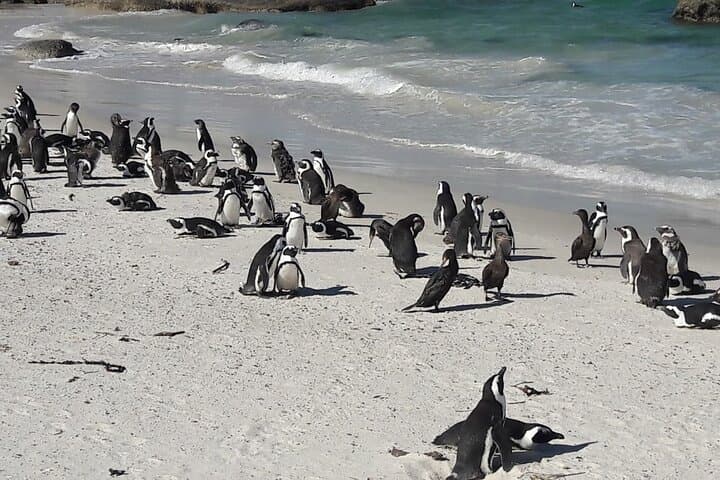
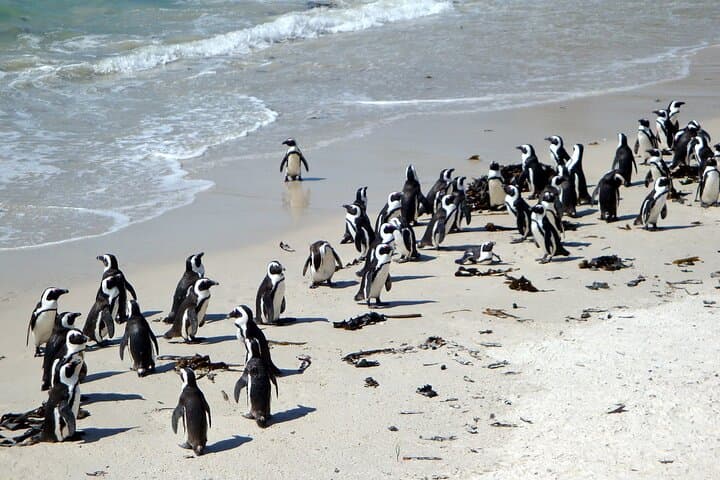
Wildlife is a main event: expect baboons on the roadside, bontebok and Cape mountain zebra grazing in fynbos pockets, and over 250 bird species wheeling overhead. The penguins at Boulders are unhurried—watch from the boardwalks as they preen, swim and toddle. A short, steep path to Cape Point’s lighthouse is about 20–30 minutes round trip with roughly 100 m of elevation gain; take your time, the views reward the breath.
Practicalities: the tour is a full six-hour loop with hotel pickup in central Cape Town. Wear a windproof layer and sturdy shoes—the paths are uneven and wind can be brutal on the cliffs. Bring sun protection and water; shops exist at major stops but options are limited during the quieter hours. Respect wildlife: keep distance from baboons and do not feed penguins—their diet and health depend on natural foraging.
Timing matters—mornings and late afternoons sharpen the light for photos and cool the drive. If you want fewer people at the penguin colony, aim for an early slot on weekdays. The route is wheelchair accessible in parts, but some viewing platforms and the lighthouse path have steps. This is not a strenuous day, but it rewards curiosity: each overlook is a lesson in shoreline geology, maritime history and the stubborn life that refuses to be swept away by the ocean.
easy.
6 hours.
Suitable for average fitness; involves short walks and some stairs—no technical fitness required
Swimming is allowed in designated areas but penguins are wild; stay on marked paths and avoid chasing or cornering them—observe from the water respectfully.
Baboons can be aggressive around food—keep windows closed during stops, don’t feed them and store snacks in your bag.
The main path to the lighthouse is a moderate 20–30 minute climb with steps and roughly 100 m elevation gain; take breaks and use the funicular where available.
Some viewing areas and paths are wheelchair accessible, but the lighthouse path and certain boardwalks include steps—check with the operator for specific accessibility options.
Early morning or late afternoon reduces crowds; penguin activity peaks during feeding times which vary seasonally—arriving earlier offers quieter viewing.
Tipping is customary for good service in South Africa—around 10–15% of the tour cost or a cash amount depending on group size is appreciated.
The Cape of Good Hope was charted by Portuguese navigator Bartolomeu Dias in 1488 and later became a key waypoint on routes to the East Indies.
The penguin colony is protected and managed—follow boardwalks and regulations to reduce human impact; support local conservation fees that fund habitat protection.
Matadi Africa And Travel Tours operates guided outdoor trips and adventures with an emphasis on safety, stewardship, and memorable experiences.
The van peels away from Cape Town’s city grid and the ocean takes over—first a sparkling shoulder to your left, then the road angling into granite and glassy bays as Chapman's Peak tightens into its 114 curves. Sea spray knifes the air and the cliffs seem to dare you to look away. This is a day built around movement: coastal drives, short coastal walks, wildlife encounters and enough viewpoints to make your phone breathe a sigh of exhaustion.
The van peels away from Cape Town’s city grid and the ocean takes over—first a sparkling shoulder to your left, then the road angling into granite and glassy bays as Chapman's Peak tightens into its 114 curves. Sea spray knifes the air and the cliffs seem to dare you to look away. This is a day built around movement: coastal drives, short coastal walks, wildlife encounters and enough viewpoints to make your phone breathe a sigh of exhaustion.
Start with the drive. Chapman's Peak Drive is roughly 9 km of engineered drama—hairpins and sheer drops that frame False Bay and the Atlantic. The geology here is Table Mountain sandstone and Cape granite meeting the ocean; where they collide, cliffs have been scoured into vertical faces and deep coves. At Cape Point the land leans forward, cliffs rising in stages to the lighthouse, and the wind teaches you to walk with purpose.
History threads through the route. Bartolomeu Dias first mapped these shores in 1488; later navigators named the Cape of Good Hope for the promise of a sea route to the east. Simon’s Town grew as a naval base and now keeps a quieter rhythm—wooden boats, fisherman’s sheds and the colony of African (jackass) penguins at Boulders Beach, where a small granite inlet shelters colonies that settled there in the early 20th century.
Wildlife is a main event: expect baboons on the roadside, bontebok and Cape mountain zebra grazing in fynbos pockets, and over 250 bird species wheeling overhead. The penguins at Boulders are unhurried—watch from the boardwalks as they preen, swim and toddle. A short, steep path to Cape Point’s lighthouse is about 20–30 minutes round trip with roughly 100 m of elevation gain; take your time, the views reward the breath.
Practicalities: the tour is a full six-hour loop with hotel pickup in central Cape Town. Wear a windproof layer and sturdy shoes—the paths are uneven and wind can be brutal on the cliffs. Bring sun protection and water; shops exist at major stops but options are limited during the quieter hours. Respect wildlife: keep distance from baboons and do not feed penguins—their diet and health depend on natural foraging.
Timing matters—mornings and late afternoons sharpen the light for photos and cool the drive. If you want fewer people at the penguin colony, aim for an early slot on weekdays. The route is wheelchair accessible in parts, but some viewing platforms and the lighthouse path have steps. This is not a strenuous day, but it rewards curiosity: each overlook is a lesson in shoreline geology, maritime history and the stubborn life that refuses to be swept away by the ocean.