THE ADVENTURE COLLECTIVE® · Independent discovery and booking for outdoor travel

A compact, scenic loop from Cape Town that mixes culture, craft and coastline. Spend the morning in the colourful Bo-Kaap, watch diamond cutters at work, meet African penguins at Boulders Beach, then drive Chapman's Peak to Cape Point.
A compact, scenic loop from Cape Town that mixes culture, craft and coastline. Spend the morning in the colourful Bo-Kaap, watch diamond cutters at work, meet African penguins at Boulders Beach, then drive Chapman's Peak to Cape Point.
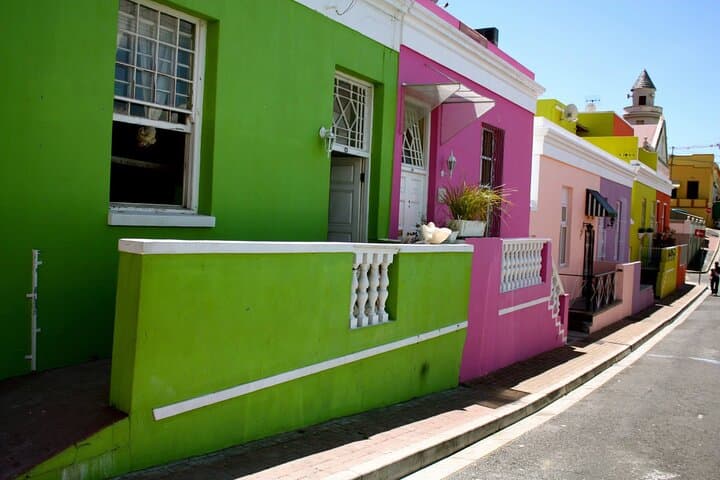
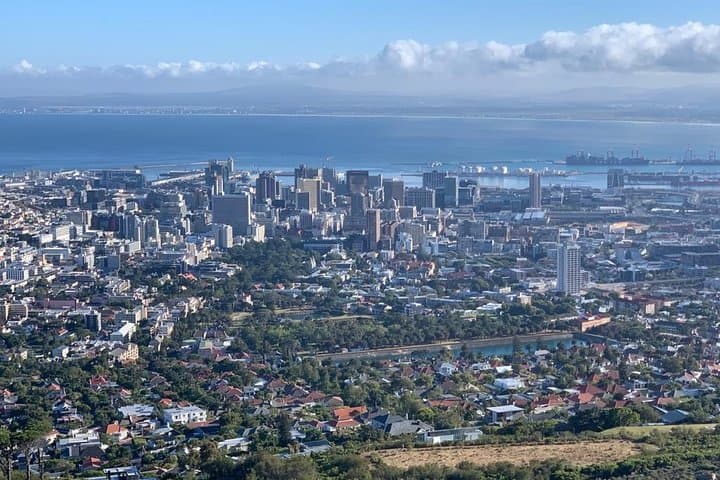
The day begins before most of the city is awake — a low Atlantic light sliding across Table Mountain as your guide pulls away from the kerb. In the first hour you are in Bo-Kaap, streets painted in bright, confident colours, spice-scented air leaking from a family kitchen. The mood is human-scale and immediate: you stroll past Georgian facades, hear the cadence of Cape Malay recipes being described, and taste a spoonful of something tart and sweet that makes the morning feel proprietary to this neighborhood.
Verified experiences and guided adventures in the surrounding area.
Operated by Aim Cape Tours. · Cape Town, Western Cape
The day begins before most of the city is awake — a low Atlantic light sliding across Table Mountain as your guide pulls away from the kerb. In the first hour you are in Bo-Kaap, streets painted in bright, confident colours, spice-scented air leaking from a family kitchen. The mood is human-scale and immediate: you stroll past Georgian facades, hear the cadence of Cape Malay recipes being described, and taste a spoonful of something tart and sweet that makes the morning feel proprietary to this neighborhood.
From culture to craft, the tour shifts gears at Diamond Works, where a small room of cutters and polishers reduce rock to light. The guide explains the tradecraft in plain terms and hands you a flute of sparkling wine; the sparkle in the glass is a counterpoint to the patient, exacting work at the bench.
Next, Boulders Beach offers a jarring, pleasant contrast — white sand, granite boulders, and penguins that move with the blunt efficiency of small boats. Boardwalks keep visitors at respectful distance while letting the colony declare its presence: brash, waddling, unbothered.
The final act unfolds at the tip of the Cape Peninsula. Chapman's Peak Drive drops and curves, sea-spray daring you to hold your camera still. At Cape Point and the Cape of Good Hope, the wind owns the place. Walkable trails, a creaking funicular, and a lighthouse that has watched shipping lanes for generations all insist you slow down and look in every direction.
History here is layered: Bo-Kaap preserves pre-1850 houses and a living cultural lineage of enslaved and freed communities from the East Indies; the Cape Point promontory is a wayfinding mark in the long European history of exploration and commerce. Geology is equally plain — ancient Table Mountain sandstone and granite plinths sculpted by wind and sea — and it explains why roads and trails follow the lines they do.
Practical guidance: wear sturdy shoes and a windproof layer; the microclimates change fast between coastline and hilltops. Bring sun protection and cash for small purchases like the funicular or local crafts. Timing matters — mid-morning light suits Bo-Kaap photos, late afternoon gives Chapman's Peak a warm rim. Respect wildlife rules at Boulders Beach: no feeding, keep to the boardwalks, and keep noise low.
In six hours you compress culture, craft, wildlife and shoreline vistas into a single, well-paced loop. It’s part history lesson, part scenic drive, and part reminder that the Cape can surprise you with close-up encounters and long, cold horizons.
moderate.
6 hours.
Light to moderate fitness; ability to walk 20–40 minutes at a time and manage short stair sections.
Cape Point National Park entrance is included with many tours but confirm at booking; some operators include park fees and others ask for cash on arrival.
No — the flying Dutchman funicular is a separate, optional ride and requires a small additional fee paid onsite.
No — swimming among penguins is discouraged to protect the colony; visitors should stay on designated beaches and boardwalks.
Start times vary, typically early morning; most operators offer hotel pickup across Cape Town suburbs — confirm your pickup location when booking.
Bottled water is provided; lunch is usually at your own expense with recommendations from the guide in Simon's Town.
Yes — the tour notes stroller access and infant seats available, but expect walking on boardwalks and short climbs at viewpoints.
Bo-Kaap contains some of Cape Town's oldest pre-1850 residential architecture and reflects the Cape Malay heritage brought by enslaved and free communities from the East Indies.
The penguin colony and Cape Point ecosystems are managed by conservation authorities; visitors should minimize disturbance and avoid single-use plastics to reduce impact.
Aim Cape Tours. operates guided outdoor trips and adventures with an emphasis on safety, stewardship, and memorable experiences.

The day begins before most of the city is awake — a low Atlantic light sliding across Table Mountain as your guide pulls away from the kerb. In the first hour you are in Bo-Kaap, streets painted in bright, confident colours, spice-scented air leaking from a family kitchen. The mood is human-scale and immediate: you stroll past Georgian facades, hear the cadence of Cape Malay recipes being described, and taste a spoonful of something tart and sweet that makes the morning feel proprietary to this neighborhood.
The day begins before most of the city is awake — a low Atlantic light sliding across Table Mountain as your guide pulls away from the kerb. In the first hour you are in Bo-Kaap, streets painted in bright, confident colours, spice-scented air leaking from a family kitchen. The mood is human-scale and immediate: you stroll past Georgian facades, hear the cadence of Cape Malay recipes being described, and taste a spoonful of something tart and sweet that makes the morning feel proprietary to this neighborhood.
From culture to craft, the tour shifts gears at Diamond Works, where a small room of cutters and polishers reduce rock to light. The guide explains the tradecraft in plain terms and hands you a flute of sparkling wine; the sparkle in the glass is a counterpoint to the patient, exacting work at the bench.
Next, Boulders Beach offers a jarring, pleasant contrast — white sand, granite boulders, and penguins that move with the blunt efficiency of small boats. Boardwalks keep visitors at respectful distance while letting the colony declare its presence: brash, waddling, unbothered.
The final act unfolds at the tip of the Cape Peninsula. Chapman's Peak Drive drops and curves, sea-spray daring you to hold your camera still. At Cape Point and the Cape of Good Hope, the wind owns the place. Walkable trails, a creaking funicular, and a lighthouse that has watched shipping lanes for generations all insist you slow down and look in every direction.
History here is layered: Bo-Kaap preserves pre-1850 houses and a living cultural lineage of enslaved and freed communities from the East Indies; the Cape Point promontory is a wayfinding mark in the long European history of exploration and commerce. Geology is equally plain — ancient Table Mountain sandstone and granite plinths sculpted by wind and sea — and it explains why roads and trails follow the lines they do.
Practical guidance: wear sturdy shoes and a windproof layer; the microclimates change fast between coastline and hilltops. Bring sun protection and cash for small purchases like the funicular or local crafts. Timing matters — mid-morning light suits Bo-Kaap photos, late afternoon gives Chapman's Peak a warm rim. Respect wildlife rules at Boulders Beach: no feeding, keep to the boardwalks, and keep noise low.
In six hours you compress culture, craft, wildlife and shoreline vistas into a single, well-paced loop. It’s part history lesson, part scenic drive, and part reminder that the Cape can surprise you with close-up encounters and long, cold horizons.