THE ADVENTURE COLLECTIVE® · Independent discovery and booking for outdoor travel

Spend a full day on a private tour around the Cape Peninsula: ascend Table Mountain, drive the stupendous Chapman's Peak, watch African penguins at Boulders Beach, explore Cape Point and finish with wine tasting at historic Groot Constantia.
Spend a full day on a private tour around the Cape Peninsula: ascend Table Mountain, drive the stupendous Chapman's Peak, watch African penguins at Boulders Beach, explore Cape Point and finish with wine tasting at historic Groot Constantia.
The day begins before the city wakes: your guide meets you at dawn and the van slips out of Cape Town, the mountain’s flat head already catching light. The road climbs and falls like a story—Table Mountain’s sandstone edges giving way to cliffs that dare the ocean to come closer. By midmorning you’re perched on Chapman's Peak, wind shaping the coastline into a hard, cinematic curve; the sea below refuses to be calm.
Verified experiences and guided adventures in the surrounding area.
Operated by Joel · Cape Town, Western Cape
The day begins before the city wakes: your guide meets you at dawn and the van slips out of Cape Town, the mountain’s flat head already catching light. The road climbs and falls like a story—Table Mountain’s sandstone edges giving way to cliffs that dare the ocean to come closer. By midmorning you’re perched on Chapman's Peak, wind shaping the coastline into a hard, cinematic curve; the sea below refuses to be calm.
This private loop through the Cape Peninsula stitches together geology, culture and a little bit of Atlantic swagger. Table Mountain, a 1,086‑metre slab of quartzitic sandstone, stands as the region’s geological backbone; its flat top was carved by millions of years of uplift and erosion. Along the drive you’ll thread through Bantry Bay, Clifton and Camps Bay—affluent suburbs with views that make the coastline feel selective about who it invites.
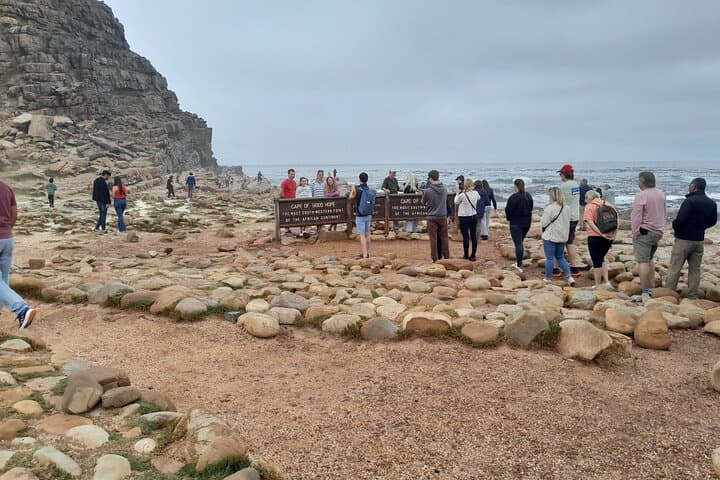
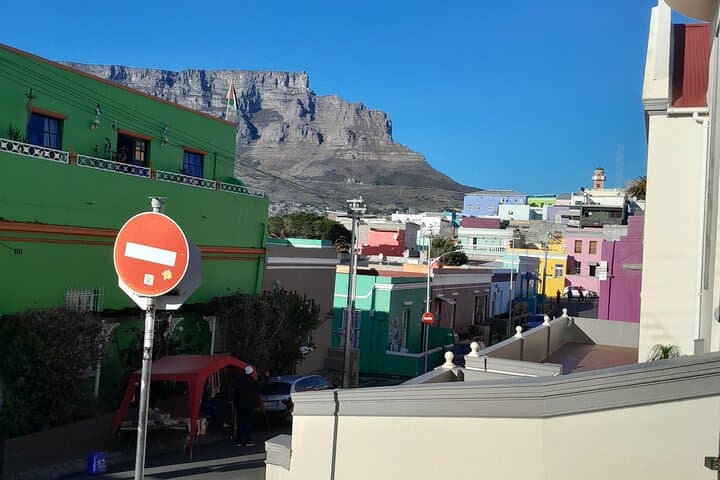
The Cape’s human story is layered, too. In Bo‑Kaap your guide will unpack the Cape Malay history—families whose roots trace to Indonesia and Malaysia—while Groot Constantia, established in 1685, explains how viticulture anchored colonial and modern identities alike. At the Cape of Good Hope and Cape Point the map gets literal: here the cool Benguela current from the Atlantic meets the warm Agulhas current from the Indian Ocean, and the tides seem to argue about which way the sea should run.
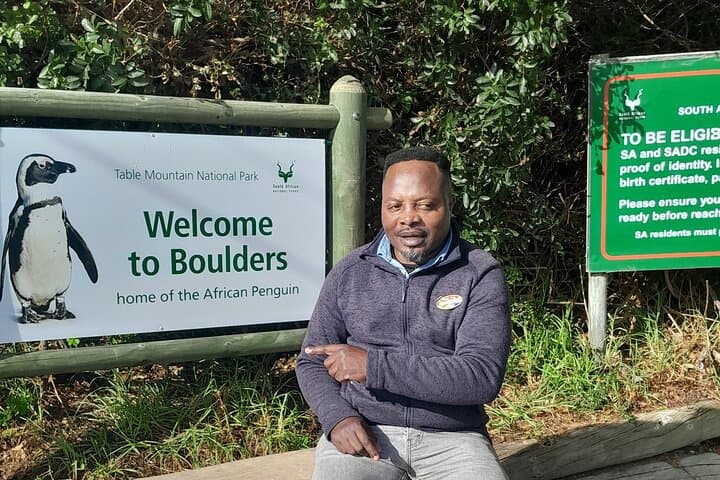
Wildlife punctuates the route. Boulders Beach’s boardwalk delivers you to a colony of African penguins—their ungainly charm up close, their conservation status fragile. Seal Island, visible from Hout Bay if you opt for the short boat run, is a theater of Cape fur seals and soaring gulls.
Practicalities: this is a full day—expect roughly 7–8 hours from hotel pickup to drop-off. Table Mountain access is weather‑dependent and cable car tickets are not included; buy them online in advance to avoid delays. The short walk to Cape Point’s lighthouse takes about 20–30 minutes on variable terrain, or take the optional funicular for a fee. Lunch is flexible—pack a picnic or eat at the Two Oceans Restaurant at Cape Point.
For a comfortable day bring sturdy walking shoes, layered clothing against wind and sun, sunscreen, and a refillable water bottle—the ocean will send gusts, and the sun will reply with heat. Respect boardwalk signs at wildlife sites, keep a respectful distance from animals, and be prepared for changing weather: the peninsula loves a dramatic shift.
By late afternoon the van returns to Cape Town, the city now softer in the slant of evening. The trip reads like a crash course in the Cape: raw geology, layered human history, an orchestra of marine life, and a wine glass raised to a land that still surprises.
easy.
7–8 hours.
Suitable for most fitness levels; short, optional walks include a 20–30 minute climb to Cape Point lighthouse and brief moving around Table Mountain plateau.
No. Table Mountain cable car tickets are not included—purchase them online in advance; the cable car runs weather permitting.
Most transportation and some sites are wheelchair accessible, but access to the Table Mountain plateau and Cape Point lighthouse may be limited depending on weather and terrain—notify the operator when booking.
Yes—water can be warm and swimming is common, but always follow local safety signs and keep a respectful distance from penguins on the beach.
Yes. The tour is family friendly; infant seats and stroller-friendly routes are available—note some short hikes are optional and can be skipped.
Lunch is optional. You can buy a meal at Two Oceans Restaurant or bring a picnic—check opening hours seasonally.
Chapman's Peak Drive is a scenic 9-kilometre coastal road section—expect a short stop at the viewpoint for photos and to stretch your legs.
Groot Constantia, founded in 1685, is South Africa’s oldest wine estate and illustrates Dutch colonial-era viticulture; Bo‑Kaap reflects Cape Malay cultural heritage dating back to the 18th century.
The African penguin population is vulnerable—visitors must stay on boardwalks and observe distance rules. The Cape Peninsula is a protected area; stick to trails to limit erosion and invasive plant spread.
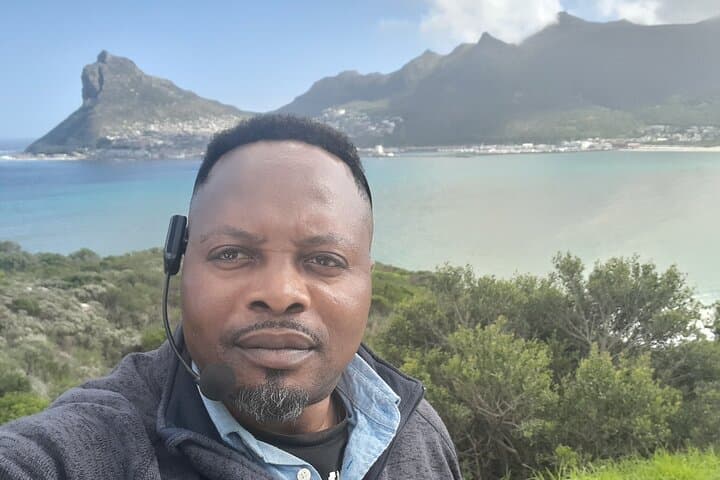
Joel operates guided outdoor trips and adventures with an emphasis on safety, stewardship, and memorable experiences.
The day begins before the city wakes: your guide meets you at dawn and the van slips out of Cape Town, the mountain’s flat head already catching light. The road climbs and falls like a story—Table Mountain’s sandstone edges giving way to cliffs that dare the ocean to come closer. By midmorning you’re perched on Chapman's Peak, wind shaping the coastline into a hard, cinematic curve; the sea below refuses to be calm.
The day begins before the city wakes: your guide meets you at dawn and the van slips out of Cape Town, the mountain’s flat head already catching light. The road climbs and falls like a story—Table Mountain’s sandstone edges giving way to cliffs that dare the ocean to come closer. By midmorning you’re perched on Chapman's Peak, wind shaping the coastline into a hard, cinematic curve; the sea below refuses to be calm.
This private loop through the Cape Peninsula stitches together geology, culture and a little bit of Atlantic swagger. Table Mountain, a 1,086‑metre slab of quartzitic sandstone, stands as the region’s geological backbone; its flat top was carved by millions of years of uplift and erosion. Along the drive you’ll thread through Bantry Bay, Clifton and Camps Bay—affluent suburbs with views that make the coastline feel selective about who it invites.
The Cape’s human story is layered, too. In Bo‑Kaap your guide will unpack the Cape Malay history—families whose roots trace to Indonesia and Malaysia—while Groot Constantia, established in 1685, explains how viticulture anchored colonial and modern identities alike. At the Cape of Good Hope and Cape Point the map gets literal: here the cool Benguela current from the Atlantic meets the warm Agulhas current from the Indian Ocean, and the tides seem to argue about which way the sea should run.
Wildlife punctuates the route. Boulders Beach’s boardwalk delivers you to a colony of African penguins—their ungainly charm up close, their conservation status fragile. Seal Island, visible from Hout Bay if you opt for the short boat run, is a theater of Cape fur seals and soaring gulls.
Practicalities: this is a full day—expect roughly 7–8 hours from hotel pickup to drop-off. Table Mountain access is weather‑dependent and cable car tickets are not included; buy them online in advance to avoid delays. The short walk to Cape Point’s lighthouse takes about 20–30 minutes on variable terrain, or take the optional funicular for a fee. Lunch is flexible—pack a picnic or eat at the Two Oceans Restaurant at Cape Point.
For a comfortable day bring sturdy walking shoes, layered clothing against wind and sun, sunscreen, and a refillable water bottle—the ocean will send gusts, and the sun will reply with heat. Respect boardwalk signs at wildlife sites, keep a respectful distance from animals, and be prepared for changing weather: the peninsula loves a dramatic shift.
By late afternoon the van returns to Cape Town, the city now softer in the slant of evening. The trip reads like a crash course in the Cape: raw geology, layered human history, an orchestra of marine life, and a wine glass raised to a land that still surprises.