THE ADVENTURE COLLECTIVE® · Independent discovery and booking for outdoor travel

Drive the dramatic rim of Africa on a private Cape Peninsula tour that pairs Table Mountain views with the Cape Point lighthouse and a close encounter at Boulders Beach’s penguin colony. This full-day excursion blends geology, coastal wildlife and cultural harborside stops.
Drive the dramatic rim of Africa on a private Cape Peninsula tour that pairs Table Mountain views with the Cape Point lighthouse and a close encounter at Boulders Beach’s penguin colony. This full-day excursion blends geology, coastal wildlife and cultural harborside stops.
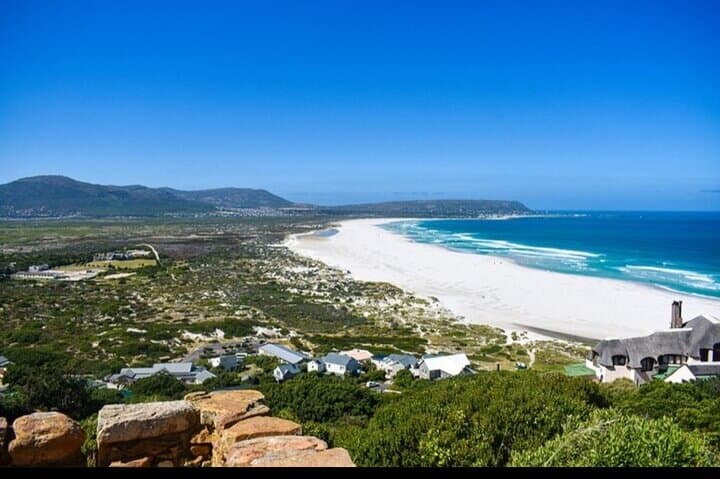
You step into the day with the Atlantic at your left and the serrated silhouette of Table Mountain ahead — a private vehicle hums, the guide’s voice low and deliberate as the city slips behind. The drive that follows is coastal cinema: Sea Point’s palm-lined promenade gives way to the postcard angles of Camps Bay, then a steep drop to Hout Bay where fishing boats lean like tired toys against a briny horizon. The tour feels like a curated coast-to-coast portrait of the Cape Peninsula, with each stop a short film in a larger story.
Verified experiences and guided adventures in the surrounding area.
Operated by RVJ Travel · Cape Town, Western Cape
You step into the day with the Atlantic at your left and the serrated silhouette of Table Mountain ahead — a private vehicle hums, the guide’s voice low and deliberate as the city slips behind. The drive that follows is coastal cinema: Sea Point’s palm-lined promenade gives way to the postcard angles of Camps Bay, then a steep drop to Hout Bay where fishing boats lean like tired toys against a briny horizon. The tour feels like a curated coast-to-coast portrait of the Cape Peninsula, with each stop a short film in a larger story.
Geology here is blunt and old. Table Mountain’s flat cap is Cape granite and sandstone worn by millions of years of wind and wave; the peninsula is an exposed edge of the African Plate where cliffs fall sharply into cold currents that push nutrients up from the deep. History rides alongside the rocks: Portuguese navigators in the 15th century called this stretch the Cape of Storms before it became the Cape of Good Hope, a turning point for trade routes and for the townships and naval traditions that grew around Simon’s Town.
Culture is maritime and layered. Simon’s Town still feels naval — its cottages and cafés retain a salty practicality — while Kalk Bay and Hout Bay hum with fishermen, artists and restaurants that plate the day’s catch. The Cape Point Nature Reserve is the region’s wild heart: baboons patrol, eland and Cape mountain zebra graze in the fynbos, and wind-scoured cliffs throw spray into the air with a voice of their own.
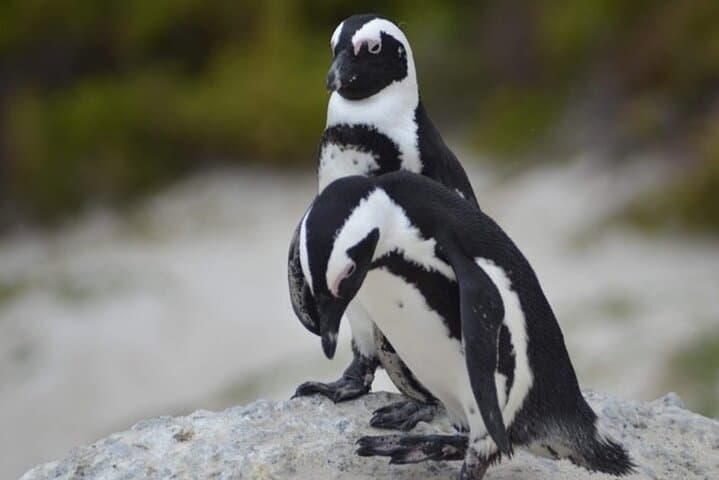
The signature moment is quieter: Boulders Beach, where African penguins shuffle between granite boulders and a boardwalk that keeps observers respectful. On calm days you can watch Cape fur seals on Duiker Island from a short boat trip, the animals a ragged punctuation on the blue.
Practical guide: this private tour runs about 5–9 hours and is mostly driving with short walks and boardwalk access. Expect some uneven paths at viewpoints and in the reserve; a cable car ride often replaces a steep ascent on Table Mountain if you choose. Bring layers—the ocean winds will steal heat—and sunscreen even on overcast days. Lunch is typically at a harbour-side restaurant (own expense), so carry a small card or cash.
Timing matters: morning light on Chapman's Peak casts the cliffs in definition, while late afternoon softens the coastline and draws penguins closer to the shore. Finally, be aware: these habitats are sensitive. Stay on paths, keep distance from wildlife, and choose operators that support conservation — the African penguin population remains vulnerable, and visitor behavior shapes its future.
easy.
5–9 hours.
Light fitness required: short walks, standing at viewpoints, and easy boardwalk routes; suitable for most travelers.
This private tour runs approximately 5 to 9 hours depending on traffic, how long you spend at stops, and whether optional boat rides are included.
The tour price typically excludes personal meals and some park or attraction fees—clarify inclusions at booking and bring cash or card for admissions if required.
Yes; hotel pickup is available across Cape Town and nearby suburbs—confirm your pickup point when booking and expect to be ready 10 minutes before departure.
Yes; the itinerary is low-impact with short walks and boardwalk access, but participants should be comfortable with limited walking and coastal winds.
No; the short boat to Duiker Island is optional and weather-dependent. Your guide will advise based on sea conditions.
Expect African penguins, Cape fur seals, baboons and occasionally eland or Cape mountain zebra within the reserve, though sightings can’t be guaranteed.
European sailors rounded the peninsula from the 15th century onward; Simon's Town later developed as a strategic naval base and fishing harbour with Dutch and British influences.
African penguins are endangered; stick to boardwalks at Boulders Beach and follow reserve rules to minimize disturbance to nesting areas and fynbos habitat.
RVJ Travel operates guided outdoor trips and adventures with an emphasis on safety, stewardship, and memorable experiences.
You step into the day with the Atlantic at your left and the serrated silhouette of Table Mountain ahead — a private vehicle hums, the guide’s voice low and deliberate as the city slips behind. The drive that follows is coastal cinema: Sea Point’s palm-lined promenade gives way to the postcard angles of Camps Bay, then a steep drop to Hout Bay where fishing boats lean like tired toys against a briny horizon. The tour feels like a curated coast-to-coast portrait of the Cape Peninsula, with each stop a short film in a larger story.
You step into the day with the Atlantic at your left and the serrated silhouette of Table Mountain ahead — a private vehicle hums, the guide’s voice low and deliberate as the city slips behind. The drive that follows is coastal cinema: Sea Point’s palm-lined promenade gives way to the postcard angles of Camps Bay, then a steep drop to Hout Bay where fishing boats lean like tired toys against a briny horizon. The tour feels like a curated coast-to-coast portrait of the Cape Peninsula, with each stop a short film in a larger story.
Geology here is blunt and old. Table Mountain’s flat cap is Cape granite and sandstone worn by millions of years of wind and wave; the peninsula is an exposed edge of the African Plate where cliffs fall sharply into cold currents that push nutrients up from the deep. History rides alongside the rocks: Portuguese navigators in the 15th century called this stretch the Cape of Storms before it became the Cape of Good Hope, a turning point for trade routes and for the townships and naval traditions that grew around Simon’s Town.
Culture is maritime and layered. Simon’s Town still feels naval — its cottages and cafés retain a salty practicality — while Kalk Bay and Hout Bay hum with fishermen, artists and restaurants that plate the day’s catch. The Cape Point Nature Reserve is the region’s wild heart: baboons patrol, eland and Cape mountain zebra graze in the fynbos, and wind-scoured cliffs throw spray into the air with a voice of their own.
The signature moment is quieter: Boulders Beach, where African penguins shuffle between granite boulders and a boardwalk that keeps observers respectful. On calm days you can watch Cape fur seals on Duiker Island from a short boat trip, the animals a ragged punctuation on the blue.
Practical guide: this private tour runs about 5–9 hours and is mostly driving with short walks and boardwalk access. Expect some uneven paths at viewpoints and in the reserve; a cable car ride often replaces a steep ascent on Table Mountain if you choose. Bring layers—the ocean winds will steal heat—and sunscreen even on overcast days. Lunch is typically at a harbour-side restaurant (own expense), so carry a small card or cash.
Timing matters: morning light on Chapman's Peak casts the cliffs in definition, while late afternoon softens the coastline and draws penguins closer to the shore. Finally, be aware: these habitats are sensitive. Stay on paths, keep distance from wildlife, and choose operators that support conservation — the African penguin population remains vulnerable, and visitor behavior shapes its future.