THE ADVENTURE COLLECTIVE® · Independent discovery and booking for outdoor travel

Spend a day tracing the dramatic curve of the Cape Peninsula: meet African penguins at Boulders Beach, hike to the Cape Point lighthouse, and drive the breath-taking Chapman’s Peak. This guided, 6–8 hour tour blends wildlife, coastal geology and local flavors with easy walking and spectacular viewpoints.
Spend a day tracing the dramatic curve of the Cape Peninsula: meet African penguins at Boulders Beach, hike to the Cape Point lighthouse, and drive the breath-taking Chapman’s Peak. This guided, 6–8 hour tour blends wildlife, coastal geology and local flavors with easy walking and spectacular viewpoints.
The minivan hums through early traffic and, as you pull away from Cape Town, the city’s glass and granite give way to wind-sculpted fynbos and an ocean that seems to push the land seaward.
Verified experiences and guided adventures in the surrounding area.
Operated by Reveler Tours · Cape Town, Western Cape
The minivan hums through early traffic and, as you pull away from Cape Town, the city’s glass and granite give way to wind-sculpted fynbos and an ocean that seems to push the land seaward.
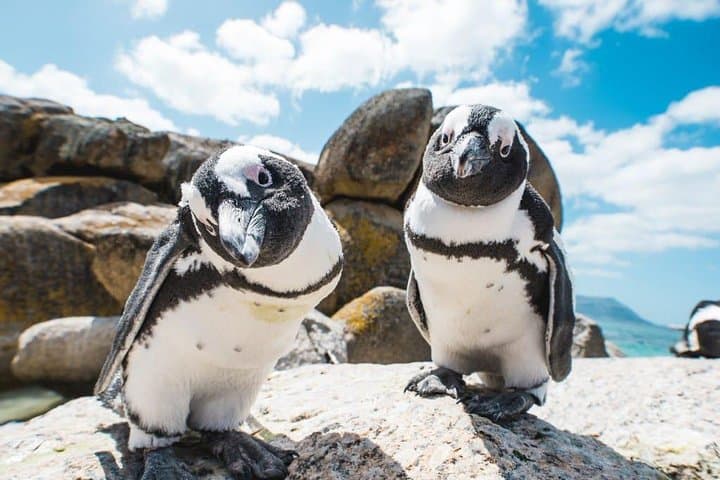
Your first stop is Boulders Beach, where the boardwalk threads a low dune system and puts you within a respectful distance of a colony of African penguins. The loop is short—roughly 400–600 meters of raised boardwalk—but the experience is disproportionate: penguins preen like small, stubborn travelers, and the Atlantic laps at the rocks as if testing how close you’ll stand.
From there the road curves south and climbs toward Cape Point National Park. Geology becomes obvious: Cape granite and Table Mountain sandstone fold and fracture into cliffs that drop into an ocean already charting a path to the Southern Ocean. The walk from the car park to the old Cape Point lighthouse is about 1.5 km with roughly 100–150 m of elevation gain if you choose the scenic path; the Flying Dutchman tram offers a seat if you prefer. At the top, False Bay spreads wide and the wind reads its own postcards across the sea—this is where sailors once debated tacking and where maps earned their cautionary notes about storms and shoals.
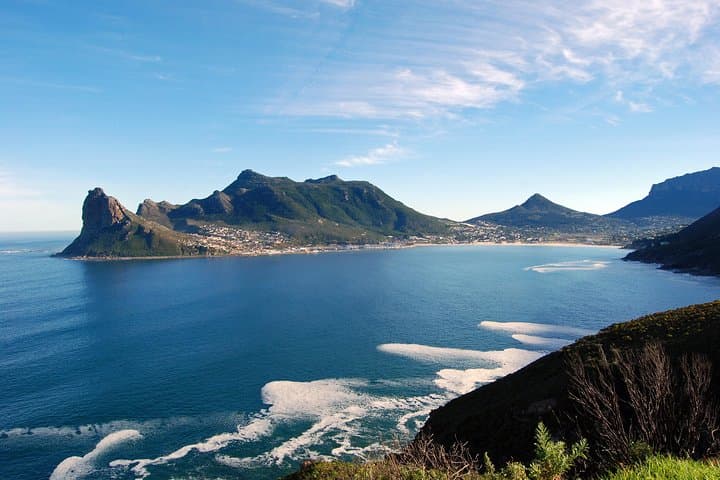
Lunch options reflect local life: fresh fish and chips in Hout Bay, vineyard plates with coastal wine at Cape Point Vineyards, or a picnic on the slopes beneath Chapman's Peak. Chapman's Peak Drive itself is a show—about 9 km of cliff-hugging road with frequent pullouts that make photographers and passengers equally content.
History and conservation sit next to each other here. The Cape marked a turning point for global trade routes in the 15th century and later became a heavily trafficked nautical hazard. Today, regulated boardwalks and viewing platforms protect penguin nests and fragile fynbos while visitor fees support park management.
Practicalities: plan for a full day (6–8 hours), bring layers—wind and sun are often present in the same hour—and wear sturdy walking shoes for uneven boardwalks and rocky lighthouse paths. Carry at least 1–2 liters of water, reef-safe sunscreen, and a small pack for snacks or a picnic. Respect the wildlife: stay on designated paths and keep distance from nests and resting seals.
This is a coastal day that balances easy wildlife viewing with short hikes, dramatic viewpoints and a road that refuses to be ordinary. Whether you’re chasing penguins or panoramas, the Cape Peninsula delivers a compact but complete coastline encounter.
easy.
6–8 hours.
Suitable for most fitness levels; requires short walks of up to 1.5 km with modest elevation gain and easy strolling on boardwalks.
The tour runs approximately 6–8 hours, typically leaving in the morning and returning to Cape Town in the afternoon or early evening.
Raised boardwalks at Boulders Beach allow excellent views without disturbing nests; do not enter the water or cross fenced areas.
The walk to the Cape Point lighthouse is about 1.5 km with ~100–150 m elevation gain; an optional tram is available for those who prefer not to climb.
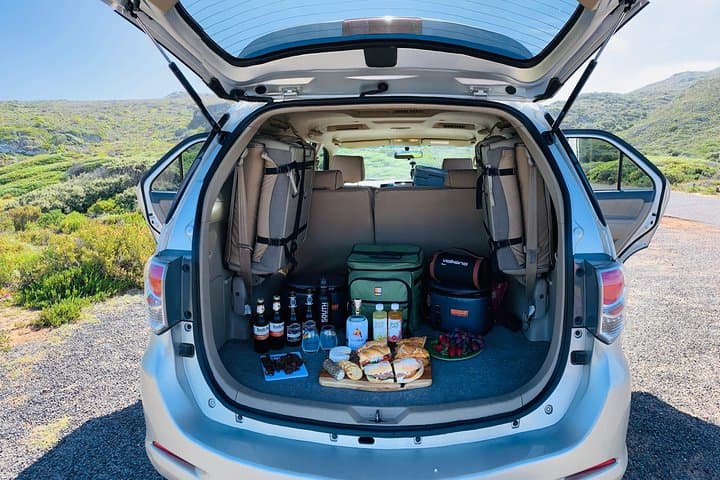
Lunch is not included; the tour offers stop options—vineyard restaurant, fish-and-chips in Hout Bay, or a picnic-style Boot Brunch—so bring preferences and any dietary requirements.
The tour lists wheelchair-accessible transportation and some accessible boardwalk areas, but some viewpoints and the lighthouse path have steps and uneven terrain.
Cape Point National Park requires an entry fee payable at the park; check current rates before travel—transport and guide service are included in the tour package.
The Cape Peninsula played a decisive role in global navigation after European seafarers rounded the Cape in the 15th century; the shoreline is dotted with shipwreck histories and maritime memorials.
Boardwalks, tram options and controlled viewing distances protect penguin nesting areas and fynbos habitat; visitor fees fund ongoing conservation and invasive-species management.
Reveler Tours operates guided outdoor trips and adventures with an emphasis on safety, stewardship, and memorable experiences.

The minivan hums through early traffic and, as you pull away from Cape Town, the city’s glass and granite give way to wind-sculpted fynbos and an ocean that seems to push the land seaward.
The minivan hums through early traffic and, as you pull away from Cape Town, the city’s glass and granite give way to wind-sculpted fynbos and an ocean that seems to push the land seaward.
Your first stop is Boulders Beach, where the boardwalk threads a low dune system and puts you within a respectful distance of a colony of African penguins. The loop is short—roughly 400–600 meters of raised boardwalk—but the experience is disproportionate: penguins preen like small, stubborn travelers, and the Atlantic laps at the rocks as if testing how close you’ll stand.
From there the road curves south and climbs toward Cape Point National Park. Geology becomes obvious: Cape granite and Table Mountain sandstone fold and fracture into cliffs that drop into an ocean already charting a path to the Southern Ocean. The walk from the car park to the old Cape Point lighthouse is about 1.5 km with roughly 100–150 m of elevation gain if you choose the scenic path; the Flying Dutchman tram offers a seat if you prefer. At the top, False Bay spreads wide and the wind reads its own postcards across the sea—this is where sailors once debated tacking and where maps earned their cautionary notes about storms and shoals.
Lunch options reflect local life: fresh fish and chips in Hout Bay, vineyard plates with coastal wine at Cape Point Vineyards, or a picnic on the slopes beneath Chapman's Peak. Chapman's Peak Drive itself is a show—about 9 km of cliff-hugging road with frequent pullouts that make photographers and passengers equally content.
History and conservation sit next to each other here. The Cape marked a turning point for global trade routes in the 15th century and later became a heavily trafficked nautical hazard. Today, regulated boardwalks and viewing platforms protect penguin nests and fragile fynbos while visitor fees support park management.
Practicalities: plan for a full day (6–8 hours), bring layers—wind and sun are often present in the same hour—and wear sturdy walking shoes for uneven boardwalks and rocky lighthouse paths. Carry at least 1–2 liters of water, reef-safe sunscreen, and a small pack for snacks or a picnic. Respect the wildlife: stay on designated paths and keep distance from nests and resting seals.
This is a coastal day that balances easy wildlife viewing with short hikes, dramatic viewpoints and a road that refuses to be ordinary. Whether you’re chasing penguins or panoramas, the Cape Peninsula delivers a compact but complete coastline encounter.