THE ADVENTURE COLLECTIVE® · Independent discovery and booking for outdoor travel

A single long day from Sydney puts Australia’s planned capital within reach: Parliament House, the Australian War Memorial, and the National Museum, plus seasonal highlights like Floriade. This trip pairs cultural depth with a readable, walkable city layout.
A single long day from Sydney puts Australia’s planned capital within reach: Parliament House, the Australian War Memorial, and the National Museum, plus seasonal highlights like Floriade. This trip pairs cultural depth with a readable, walkable city layout.
The coach eases out of Sydney before dawn, headlights cutting a slow ribbon through the cool-climate sheep country of New South Wales. By mid-morning the landscape opens into Canberra’s geometric calm: avenues aligned to monuments, the lake that takes the city’s measure, the flagpole of Parliament House standing like a punctuation mark on the skyline. Stepping off the bus feels like entering a planned idea — a capital designed to be read, walked, and argued over.
Verified experiences and guided adventures in the surrounding area.
Operated by Colourful Collective Travel · Canberra, ACT
The coach eases out of Sydney before dawn, headlights cutting a slow ribbon through the cool-climate sheep country of New South Wales. By mid-morning the landscape opens into Canberra’s geometric calm: avenues aligned to monuments, the lake that takes the city’s measure, the flagpole of Parliament House standing like a punctuation mark on the skyline. Stepping off the bus feels like entering a planned idea — a capital designed to be read, walked, and argued over.
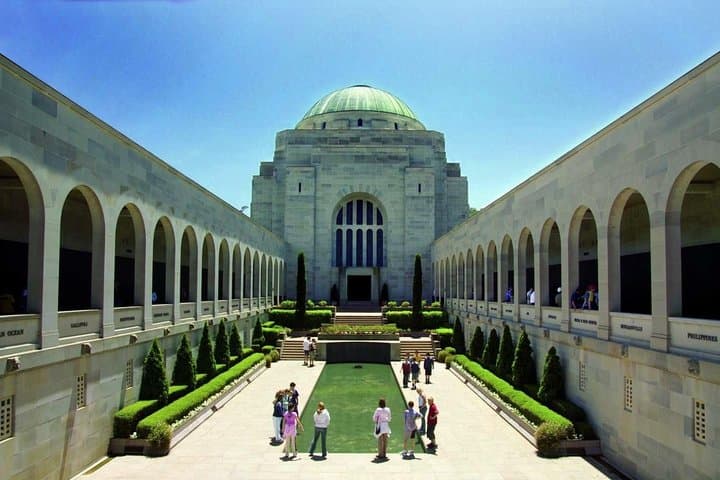
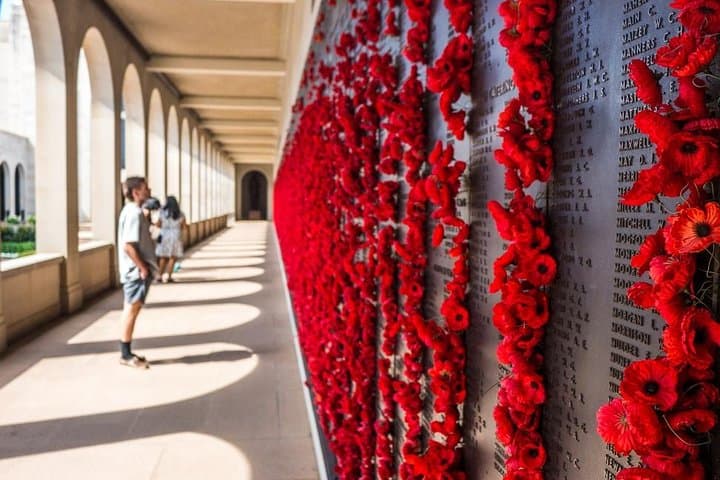
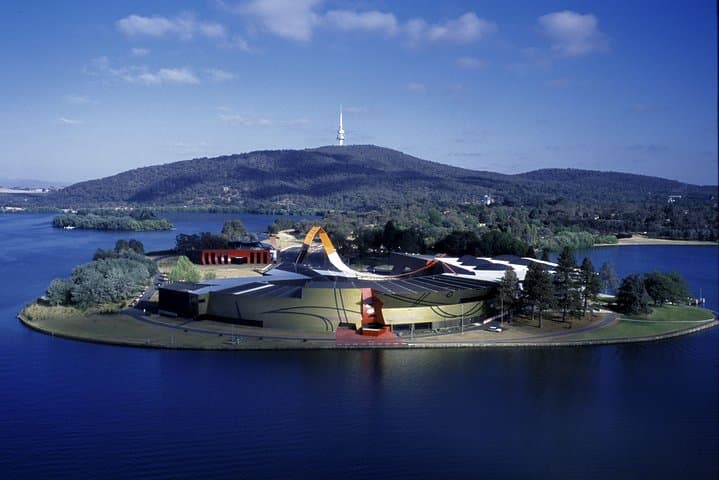
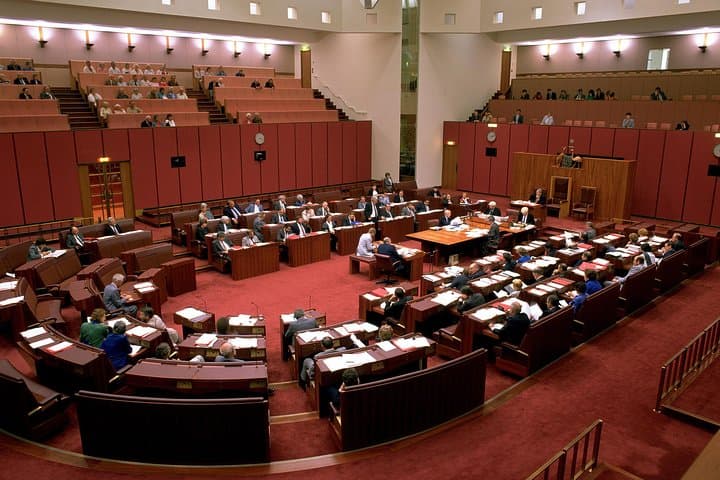
History sits heavily and accessibly here. Parliament House (1988) is both stage and instrument of Australian democracy: granite and timber converge above a public forecourt where the public can literally walk over the chambers. A short drive away, the Australian War Memorial folds shrine, museum and archive into one space; you move from names carved in stone to displays that insist on the human scale of conflict. The National Museum of Australia shifts focus again — objects and Indigenous narratives that reframe national identity and the environment the settlers encountered.
Geology and climate shape the strolls between institutions. Canberra occupies a rim of the Great Dividing Range; the soil is red and stony in places, and pockets of native eucalypt bend around the lakeshore. In spring the city stages Floriade, a concentrated burst of bulbs and seasonal displays that attracts photographers and families alike — the festival animates Commonwealth Park for a few weeks each year.
Local insight: the city rewards a slower pace. Take time at the War Memorial to listen to the recorded histories, and at the National Museum choose one gallery to explore deeply rather than skimming all. For a quick landscape fix, the view from the elevation near the lake gives a clear reading of Walter Burley Griffin’s plan — the city laid out like a diagram you can stand inside.
Practical guide: this is a long day — expect 12–13 hours door-to-door. Pickup in Sydney is early; bring layers, a refillable water bottle, and comfortable walking shoes for mixed pavement and boardwalks. Museums include admission and guided commentary per the itinerary, but check seasonal events (Floriade runs mid‑September to mid‑October) and special exhibitions that may change time allocation. Food options include a lakeside café near the National Museum; lunch is typically a relaxed 45–60 minute stop.
Accessibility and timing: most sites are wheelchair-accessible but call ahead for specific arrangements. For photographers, golden-hour light by the lake and the formal lines of Parliament House reward planning. Above all, treat Canberra as a working capital — its calm is deliberate, its history layered, and a day trip from Sydney can peel back more than you’d expect if you step out of the tour rhythm and into the public spaces.
easy.
12–13 hours.
Suitable for average fitness; involves several hours of standing and walking on paved surfaces and boardwalks.
The tour runs about 12–13 hours total, with roughly 75 minutes allocated at major stops like the Australian War Memorial and the National Museum.
Pickup options are at St Andrew’s Cathedral (78 Bathurst St, near Sydney Town Hall) and the front of St Laurence Church on George St; arrive 10 minutes early.
Yes — admissions to the listed attractions are included per the itinerary and guided commentary is provided on board.
Children under 8 are not permitted; the tour is otherwise suitable for older children and families but includes long periods of walking.
This is a return-day tour; if you wish to stay overnight, arrange separate travel — the operator returns to Sydney the same day.
Most sites are wheelchair-accessible, but contact the operator in advance to discuss specific assistance or boarding requirements.
Canberra was selected and designed in the early 20th century as a planned capital to settle rivalry between Sydney and Melbourne; Walter Burley Griffin’s 1910 plan still defines the city’s axes.
Canberra’s parklands and lake are actively managed to protect native eucalyptus remnants and bird habitats; visitors are asked to stick to paths and avoid feeding wildlife.
Colourful Collective Travel operates guided outdoor trips and adventures with an emphasis on safety, stewardship, and memorable experiences.
The coach eases out of Sydney before dawn, headlights cutting a slow ribbon through the cool-climate sheep country of New South Wales. By mid-morning the landscape opens into Canberra’s geometric calm: avenues aligned to monuments, the lake that takes the city’s measure, the flagpole of Parliament House standing like a punctuation mark on the skyline. Stepping off the bus feels like entering a planned idea — a capital designed to be read, walked, and argued over.
The coach eases out of Sydney before dawn, headlights cutting a slow ribbon through the cool-climate sheep country of New South Wales. By mid-morning the landscape opens into Canberra’s geometric calm: avenues aligned to monuments, the lake that takes the city’s measure, the flagpole of Parliament House standing like a punctuation mark on the skyline. Stepping off the bus feels like entering a planned idea — a capital designed to be read, walked, and argued over.
History sits heavily and accessibly here. Parliament House (1988) is both stage and instrument of Australian democracy: granite and timber converge above a public forecourt where the public can literally walk over the chambers. A short drive away, the Australian War Memorial folds shrine, museum and archive into one space; you move from names carved in stone to displays that insist on the human scale of conflict. The National Museum of Australia shifts focus again — objects and Indigenous narratives that reframe national identity and the environment the settlers encountered.
Geology and climate shape the strolls between institutions. Canberra occupies a rim of the Great Dividing Range; the soil is red and stony in places, and pockets of native eucalypt bend around the lakeshore. In spring the city stages Floriade, a concentrated burst of bulbs and seasonal displays that attracts photographers and families alike — the festival animates Commonwealth Park for a few weeks each year.
Local insight: the city rewards a slower pace. Take time at the War Memorial to listen to the recorded histories, and at the National Museum choose one gallery to explore deeply rather than skimming all. For a quick landscape fix, the view from the elevation near the lake gives a clear reading of Walter Burley Griffin’s plan — the city laid out like a diagram you can stand inside.
Practical guide: this is a long day — expect 12–13 hours door-to-door. Pickup in Sydney is early; bring layers, a refillable water bottle, and comfortable walking shoes for mixed pavement and boardwalks. Museums include admission and guided commentary per the itinerary, but check seasonal events (Floriade runs mid‑September to mid‑October) and special exhibitions that may change time allocation. Food options include a lakeside café near the National Museum; lunch is typically a relaxed 45–60 minute stop.
Accessibility and timing: most sites are wheelchair-accessible but call ahead for specific arrangements. For photographers, golden-hour light by the lake and the formal lines of Parliament House reward planning. Above all, treat Canberra as a working capital — its calm is deliberate, its history layered, and a day trip from Sydney can peel back more than you’d expect if you step out of the tour rhythm and into the public spaces.