THE ADVENTURE COLLECTIVE® · Independent discovery and booking for outdoor travel

A single-day loop from Luminy that threads three must-see Calanques—Sormiou, Morgiou and Sugiton—delivering coastal cliffs, tiny traditional harbors and panoramic views over the Riou islets. Ideal for hikers with moderate fitness who want a compact, interpretive introduction to the Massif des Calanques.
A single-day loop from Luminy that threads three must-see Calanques—Sormiou, Morgiou and Sugiton—delivering coastal cliffs, tiny traditional harbors and panoramic views over the Riou islets. Ideal for hikers with moderate fitness who want a compact, interpretive introduction to the Massif des Calanques.
The path climbs out of the pine-shaded campus of Luminy and, within minutes, the city’s hum is blunted by limestone and wind. You step onto a ridgeline that alternates between soft needle-carpet and bare rock, and the Mediterranean unfurls—slices of turquoise hemmed by sheer white cliffs. The route threads three of the massif’s best scenes: the tiny working harbors of Sormiou and Morgiou, and the raw inlet of Sugiton, ending with a balcony view toward La Candelle and the distant islets of Riou.
Verified experiences and guided adventures in the surrounding area.
Operated by Guides Calanques Marseille Cassis · Marseille, Provence-Alpes-Côte d'Azur
The path climbs out of the pine-shaded campus of Luminy and, within minutes, the city’s hum is blunted by limestone and wind. You step onto a ridgeline that alternates between soft needle-carpet and bare rock, and the Mediterranean unfurls—slices of turquoise hemmed by sheer white cliffs. The route threads three of the massif’s best scenes: the tiny working harbors of Sormiou and Morgiou, and the raw inlet of Sugiton, ending with a balcony view toward La Candelle and the distant islets of Riou.
This corridor of stone owes its shape to millions of years of uplift and dissolution. The Calanques are a karst landscape—limestone sculpted by rain and sea—where cliffs collapse into narrow fjord-like inlets. People have moved through these coves for centuries: fishermen moored skiffs in the small harbors, shepherds grazed goats on terraces, and wartime sentries used the high points for lookouts. Today the National Park protects the fragile mix of Aleppo pine, kermes oak, and steppe flora that cling to cracks and ledges.
Culturally the Calanques are Marseille’s raw edge—less manicured than the Promenade des Anglais and more elemental than Cassis’s postcard coves. Guides on this loop point out local plant uses and maritime history as easily as they point to the best place to photograph a quartz vein slicing the cliff face. Wildlife is visible if you slow down: kestrels quarter the thermals and Audouin’s gulls pick the rock shelf edges; below, the sea sometimes gleams with orange-clad divers.
Practically, this is an accessible but steady day—expect mixtures of trail, some exposed ridgeline scrambling, and uneven steps. The loop covers varied terrain, with short steep pitches to viewpoints and flat stretches along valleys. Temperatures can climb quickly on sun-exposed rock; shade is patchy. Foot traffic spikes in summer, and park rules tighten during high fire risk: sections may be closed on hot, dry days.
Bring at least 2–3 liters of water, sturdy shoes with good grip, sun protection, and a lightweight shell for sudden wind. Start early for cooler light and quieter coves; late afternoon gives dramatic shadow across the cliffs but the return can be drained by wind. If you prefer to linger, Morgiou and Sormiou both offer small harbors where local restaurants and fishers anchor the day.
For first-time visitors the guided private loop from Luminy is a smart choice: it pairs local knowledge with logistics—bus access from Prado and a clear meeting point at the École des Beaux-Arts—and leaves time for cultural context alongside the cliff-top thrill. The Calanques don’t demand technical climbing gear, but they do reward attention: read the landscape, respect closures, and you’ll come away with one of the Mediterranean’s most honest coastlines etched in memory.
moderate.
6–7 hours.
Good aerobic fitness and comfort on uneven, sometimes exposed trails; able to handle several hundred meters of elevation gain over the loop.
It’s rated moderate—well-marked trails with short steep sections and some exposed ridgelines; no technical climbing required but expect uneven footing.
Meet at the entrance to the École des Beaux-Arts in Luminy; bus line 21 from the Prado roundabout connects the city center to the campus.
Dogs are allowed in some park areas but must be kept on leash; local restrictions may apply during the summer fire season—check park rules before you go.
Yes—both have accessible water, but currents and submerged rocks can be hazardous; swim with caution and avoid non-designated beaches during rough weather.
Small restaurants and fish stands operate in Sormiou and Morgiou seasonally; bring snacks for the trail in case eateries are closed.
High fire risk days in summer can trigger partial or full closures; closures are posted by Parc National des Calanques—check official notices the morning of your hike.
The Calanques are a karst limestone massif shaped by marine transgression and uplift; small harbors like Morgiou served Mediterranean fishers for centuries and hosted shepherding terraces.
The area is part of Parc National des Calanques with seasonal restrictions to reduce wildfire risk and protect sensitive coastal vegetation—follow posted rules and carry out all waste.
Guides Calanques Marseille Cassis operates guided outdoor trips and adventures with an emphasis on safety, stewardship, and memorable experiences.
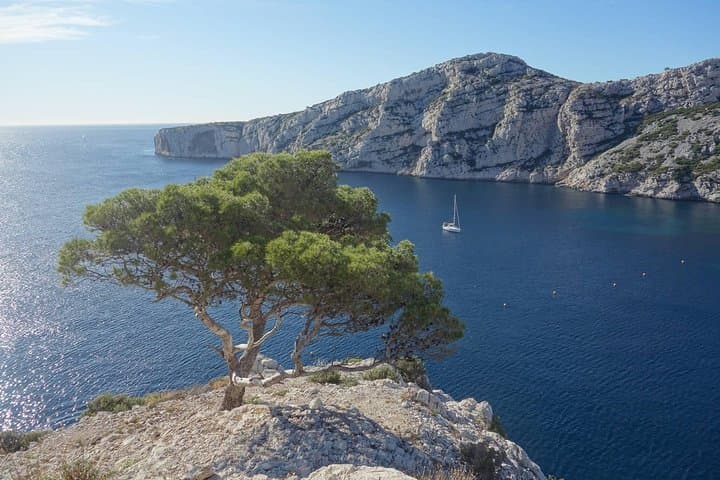
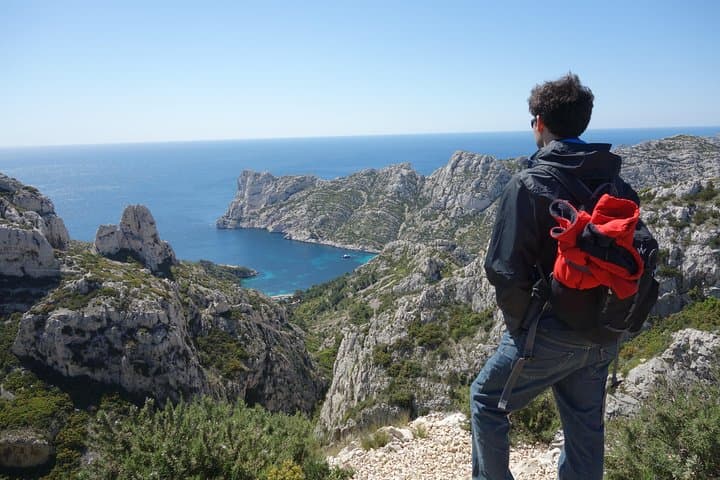
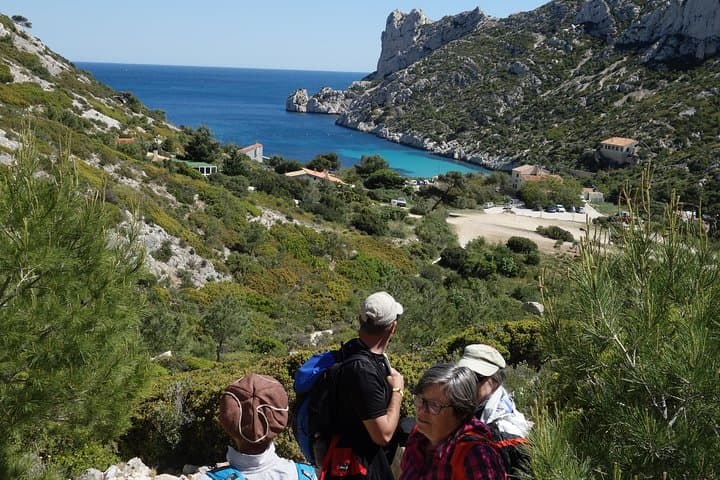
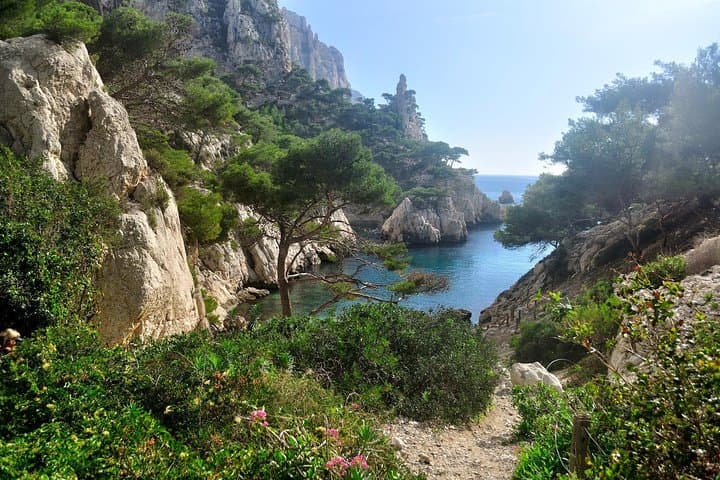
The path climbs out of the pine-shaded campus of Luminy and, within minutes, the city’s hum is blunted by limestone and wind. You step onto a ridgeline that alternates between soft needle-carpet and bare rock, and the Mediterranean unfurls—slices of turquoise hemmed by sheer white cliffs. The route threads three of the massif’s best scenes: the tiny working harbors of Sormiou and Morgiou, and the raw inlet of Sugiton, ending with a balcony view toward La Candelle and the distant islets of Riou.
The path climbs out of the pine-shaded campus of Luminy and, within minutes, the city’s hum is blunted by limestone and wind. You step onto a ridgeline that alternates between soft needle-carpet and bare rock, and the Mediterranean unfurls—slices of turquoise hemmed by sheer white cliffs. The route threads three of the massif’s best scenes: the tiny working harbors of Sormiou and Morgiou, and the raw inlet of Sugiton, ending with a balcony view toward La Candelle and the distant islets of Riou.
This corridor of stone owes its shape to millions of years of uplift and dissolution. The Calanques are a karst landscape—limestone sculpted by rain and sea—where cliffs collapse into narrow fjord-like inlets. People have moved through these coves for centuries: fishermen moored skiffs in the small harbors, shepherds grazed goats on terraces, and wartime sentries used the high points for lookouts. Today the National Park protects the fragile mix of Aleppo pine, kermes oak, and steppe flora that cling to cracks and ledges.
Culturally the Calanques are Marseille’s raw edge—less manicured than the Promenade des Anglais and more elemental than Cassis’s postcard coves. Guides on this loop point out local plant uses and maritime history as easily as they point to the best place to photograph a quartz vein slicing the cliff face. Wildlife is visible if you slow down: kestrels quarter the thermals and Audouin’s gulls pick the rock shelf edges; below, the sea sometimes gleams with orange-clad divers.
Practically, this is an accessible but steady day—expect mixtures of trail, some exposed ridgeline scrambling, and uneven steps. The loop covers varied terrain, with short steep pitches to viewpoints and flat stretches along valleys. Temperatures can climb quickly on sun-exposed rock; shade is patchy. Foot traffic spikes in summer, and park rules tighten during high fire risk: sections may be closed on hot, dry days.
Bring at least 2–3 liters of water, sturdy shoes with good grip, sun protection, and a lightweight shell for sudden wind. Start early for cooler light and quieter coves; late afternoon gives dramatic shadow across the cliffs but the return can be drained by wind. If you prefer to linger, Morgiou and Sormiou both offer small harbors where local restaurants and fishers anchor the day.
For first-time visitors the guided private loop from Luminy is a smart choice: it pairs local knowledge with logistics—bus access from Prado and a clear meeting point at the École des Beaux-Arts—and leaves time for cultural context alongside the cliff-top thrill. The Calanques don’t demand technical climbing gear, but they do reward attention: read the landscape, respect closures, and you’ll come away with one of the Mediterranean’s most honest coastlines etched in memory.