THE ADVENTURE COLLECTIVE® · Independent discovery and booking for outdoor travel

Two days in Cairo concentrate the city’s highest notes: the Giza Pyramids at first light, the vast new Grand Egyptian Museum, and the crowded lanes of Khan el-Khalili. This guide covers what to expect, how to prepare, and practical tips to make the most of every hour.
Two days in Cairo concentrate the city’s highest notes: the Giza Pyramids at first light, the vast new Grand Egyptian Museum, and the crowded lanes of Khan el-Khalili. This guide covers what to expect, how to prepare, and practical tips to make the most of every hour.
The morning light on the Giza Plateau is blunt and insistent—the sun daring you forward as warm wind pushes fine sand across the stone.
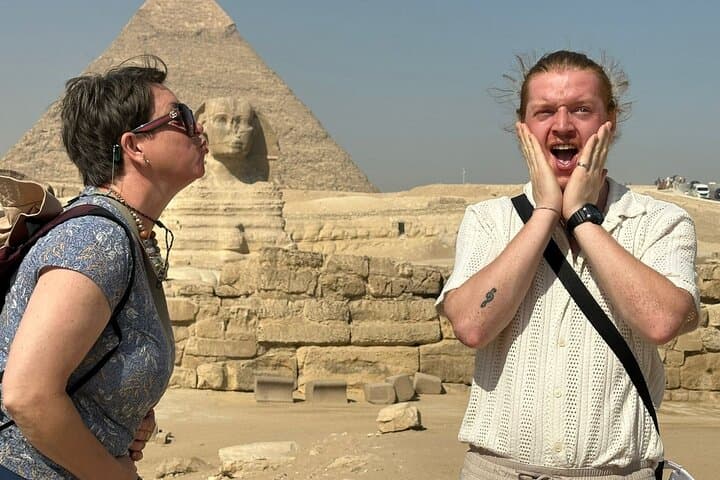
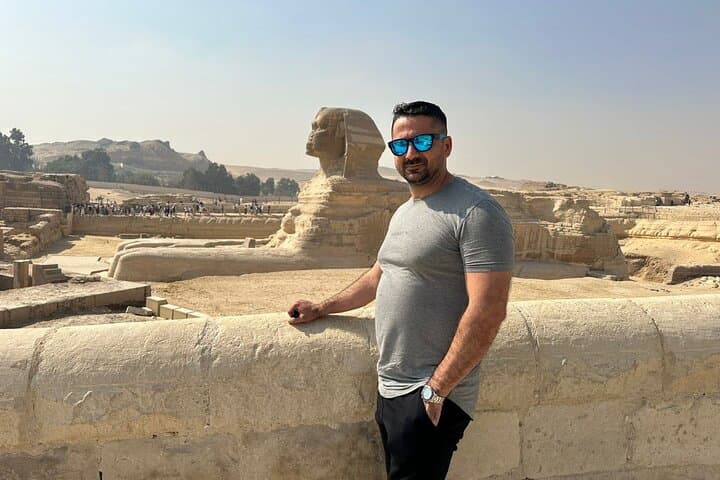
Stand before the Great Pyramid and the scale is immediate: blocks taller than a house stacked into a geometric mountain that has watched the Nile valley for millennia. A local Egyptologist guides the first day, moving from the open sweep of the pyramids to the Sphinx’s weathered, human face and explaining construction methods, burial practices, and the logistical genius behind Old Kingdom building.
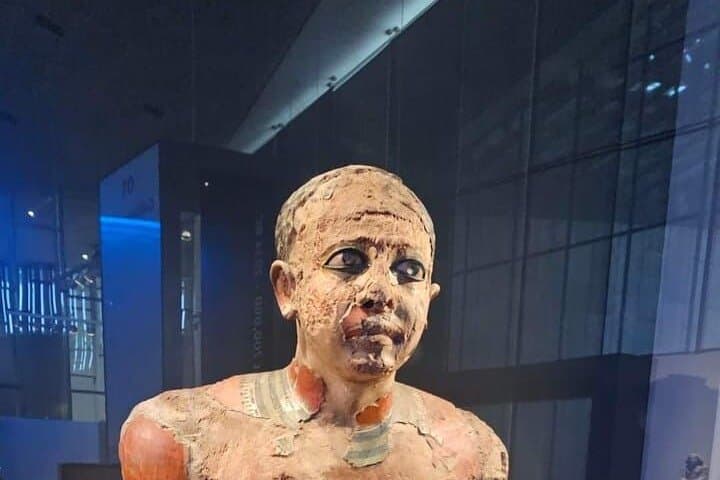
By contrast the Grand Egyptian Museum is modern and deliberate, glass and stone framing thousands of artifacts with the pyramids visible beyond the plaza. The museum recontextualizes objects like Tutankhamun’s treasures—connecting funerary ritual to daily life along the Nile.
Culturally, Cairo’s beating heart is noisy and layered: vendors calling in Khan el-Khalili, coffeehouses spinning back histories of Ottoman and Mamluk trade, and stray cats threading alleys.
Practical guidance: plan early starts to avoid midday heat, wear closed shoes for uneven limestone and sand, and expect several kilometers of walking across open, exposed terrain. Carry at least 2 liters of water, sunscreen and a hat; pockets for small bills are useful for tipping and buying bottled water. Allow time for security screenings at major sites and factor in traffic between central Cairo and Giza. For those seeking a focused cultural hit in a compact window, two days here deliver both the monuments and the museum context needed to understand them.
Verified experiences and guided adventures in the surrounding area.
Operated by Nile Navigators · Giza, Giza Governorate
The morning light on the Giza Plateau is blunt and insistent—the sun daring you forward as warm wind pushes fine sand across the stone.
Stand before the Great Pyramid and the scale is immediate: blocks taller than a house stacked into a geometric mountain that has watched the Nile valley for millennia. A local Egyptologist guides the first day, moving from the open sweep of the pyramids to the Sphinx’s weathered, human face and explaining construction methods, burial practices, and the logistical genius behind Old Kingdom building.
By contrast the Grand Egyptian Museum is modern and deliberate, glass and stone framing thousands of artifacts with the pyramids visible beyond the plaza. The museum recontextualizes objects like Tutankhamun’s treasures—connecting funerary ritual to daily life along the Nile.
Culturally, Cairo’s beating heart is noisy and layered: vendors calling in Khan el-Khalili, coffeehouses spinning back histories of Ottoman and Mamluk trade, and stray cats threading alleys.
Practical guidance: plan early starts to avoid midday heat, wear closed shoes for uneven limestone and sand, and expect several kilometers of walking across open, exposed terrain. Carry at least 2 liters of water, sunscreen and a hat; pockets for small bills are useful for tipping and buying bottled water. Allow time for security screenings at major sites and factor in traffic between central Cairo and Giza. For those seeking a focused cultural hit in a compact window, two days here deliver both the monuments and the museum context needed to understand them.
easy.
6–8 hours per day.
Suitable for travelers who can walk several kilometers over uneven ground and handle stairs; no advanced fitness required
Yes—this tour lists entrance fees in the inclusions, and the booking specifies museum and site admissions as covered.
Pickup is arranged—booking asks for a pickup point and transportation is noted as an air-conditioned vehicle included on the tour.
The tour notes wheelchair-accessible transportation and surfaces at some areas, but certain outdoor uneven sections of the plateau can be difficult—check specifics with the operator.
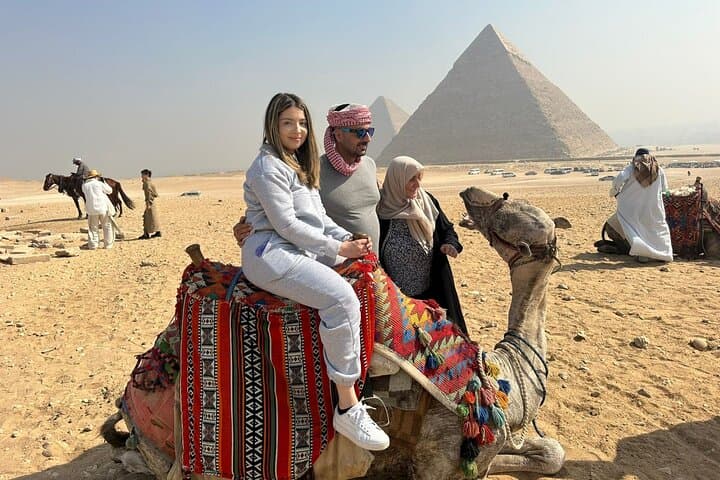
A 25-minute camel ride around the Giza Pyramids is included per the tour inclusions, though availability may depend on local conditions.
The Great Pyramid was built c. 2560 BCE for Pharaoh Khufu; the Giza complex represents the peak of Old Kingdom royal funerary architecture.
High visitor numbers and urban encroachment stress the plateau—stick to designated paths, avoid climbing monuments, and follow local waste rules to reduce impact.
Nile Navigators operates guided outdoor trips and adventures with an emphasis on safety, stewardship, and memorable experiences.
The morning light on the Giza Plateau is blunt and insistent—the sun daring you forward as warm wind pushes fine sand across the stone.
Stand before the Great Pyramid and the scale is immediate: blocks taller than a house stacked into a geometric mountain that has watched the Nile valley for millennia. A local Egyptologist guides the first day, moving from the open sweep of the pyramids to the Sphinx’s weathered, human face and explaining construction methods, burial practices, and the logistical genius behind Old Kingdom building.
By contrast the Grand Egyptian Museum is modern and deliberate, glass and stone framing thousands of artifacts with the pyramids visible beyond the plaza. The museum recontextualizes objects like Tutankhamun’s treasures—connecting funerary ritual to daily life along the Nile.
Culturally, Cairo’s beating heart is noisy and layered: vendors calling in Khan el-Khalili, coffeehouses spinning back histories of Ottoman and Mamluk trade, and stray cats threading alleys.
Practical guidance: plan early starts to avoid midday heat, wear closed shoes for uneven limestone and sand, and expect several kilometers of walking across open, exposed terrain. Carry at least 2 liters of water, sunscreen and a hat; pockets for small bills are useful for tipping and buying bottled water. Allow time for security screenings at major sites and factor in traffic between central Cairo and Giza. For those seeking a focused cultural hit in a compact window, two days here deliver both the monuments and the museum context needed to understand them.
The morning light on the Giza Plateau is blunt and insistent—the sun daring you forward as warm wind pushes fine sand across the stone.
Stand before the Great Pyramid and the scale is immediate: blocks taller than a house stacked into a geometric mountain that has watched the Nile valley for millennia. A local Egyptologist guides the first day, moving from the open sweep of the pyramids to the Sphinx’s weathered, human face and explaining construction methods, burial practices, and the logistical genius behind Old Kingdom building.
By contrast the Grand Egyptian Museum is modern and deliberate, glass and stone framing thousands of artifacts with the pyramids visible beyond the plaza. The museum recontextualizes objects like Tutankhamun’s treasures—connecting funerary ritual to daily life along the Nile.
Culturally, Cairo’s beating heart is noisy and layered: vendors calling in Khan el-Khalili, coffeehouses spinning back histories of Ottoman and Mamluk trade, and stray cats threading alleys.
Practical guidance: plan early starts to avoid midday heat, wear closed shoes for uneven limestone and sand, and expect several kilometers of walking across open, exposed terrain. Carry at least 2 liters of water, sunscreen and a hat; pockets for small bills are useful for tipping and buying bottled water. Allow time for security screenings at major sites and factor in traffic between central Cairo and Giza. For those seeking a focused cultural hit in a compact window, two days here deliver both the monuments and the museum context needed to understand them.