THE ADVENTURE COLLECTIVE® · Independent discovery and booking for outdoor travel

Drive from Inverness into the Cairngorms for a full day of high-mountain views, Loch Morlich’s sandy shoreline, Ruthven Barracks and the ancient Caledonian pinewoods — with chances to spot red squirrels and ospreys. A private tour that blends history, geology and accessible alpine experiences.
Drive from Inverness into the Cairngorms for a full day of high-mountain views, Loch Morlich’s sandy shoreline, Ruthven Barracks and the ancient Caledonian pinewoods — with chances to spot red squirrels and ospreys. A private tour that blends history, geology and accessible alpine experiences.
The coach breaks free from Inverness and climbs the Slochd Summit; through the windscreen the Cairngorm massif resolves from smudge to shape — snow-bright ridgelines, a flat-topped plateau and timbered glens that look older than memory. By the time the group slips past Ruthven Barracks and onto the quieter back roads of Badenoch & Strathspey the air tastes like iron and peat. Stops at the Highland Folk Museum and Loch Morlich give the day rhythm: history in one hand, a shoreline in the other.
Verified experiences and guided adventures in the surrounding area.
Operated by Grant Driving Tours; Scotland · Aviemore, Scotland
The coach breaks free from Inverness and climbs the Slochd Summit; through the windscreen the Cairngorm massif resolves from smudge to shape — snow-bright ridgelines, a flat-topped plateau and timbered glens that look older than memory. By the time the group slips past Ruthven Barracks and onto the quieter back roads of Badenoch & Strathspey the air tastes like iron and peat. Stops at the Highland Folk Museum and Loch Morlich give the day rhythm: history in one hand, a shoreline in the other.
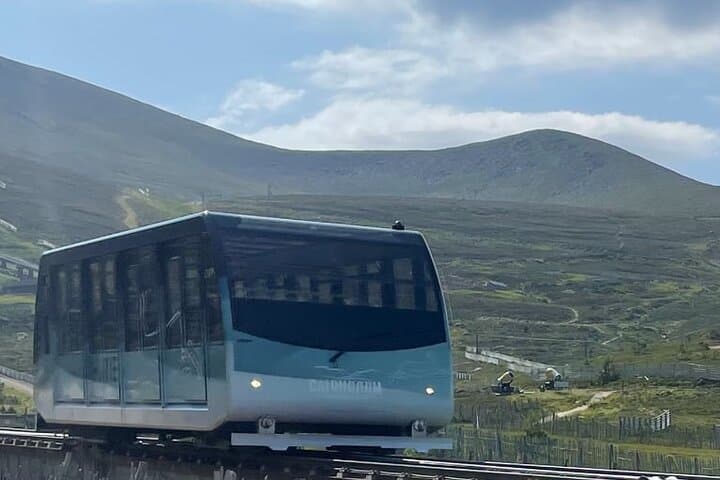
Geology and history press close here. The Cairngorms are a raised granite plateau sculpted by Ice Age glaciers into broad corries and arêtes; the plateau’s highest transport link, the 2 km funicular to the Ptarmigan building, reaches 1,097 m and offers the clearest lesson in altitude without a long climb. Human stories are layered on top — Ruthven Barracks, built after the 1715 Jacobite unrest, holds the scars of 18th-century politics, while planned Grantown-on-Spey reflects 18th- and 19th-century Highland development.
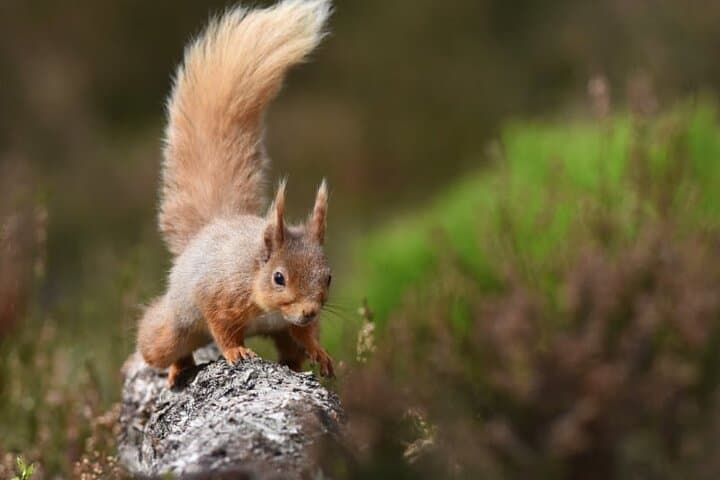
Nature has agency on this route. Loch Morlich’s pale beach dares visitors to slow down; the Caledonian pine at Rothiemurchus and Loch Garten stands like a small, stubborn kingdom, home to red squirrels that flicker through the branches and to ospreys that patrol the Spey corridor. Guides often time the day so binoculars and the Loch Garten hide deliver close views of osprey activity in summer and a chance to see the pinewoods’ understorey of heather, moss and bog myrtle.
Practicalities anchor the spectacle. The full private day runs roughly 8–9 hours, with on-road driving between dispersed stops; expect short walks — beach sand, woodland tracks and a stone stair to the Ruthven ruin overlook. The funicular ride takes 5–8 minutes but note: passengers are not permitted to exit the Top Station onto the plateau to protect fragile tundra. Dress in layers: weather at 1,000 m can be five to ten degrees colder than Inverness and wind-exposed even in summer. Good walking shoes or light boots, a waterproof shell and binoculars dramatically increase enjoyment. Snacks, water and an appetite for single-track roads are included; evening returns to Inverness leave time for a dram at Tomatin or visiting the new Cairn Distillery if the group schedule allows.
For photographers, early morning light on the loch or late-afternoon backlighting on the pines rewards patience. For wildlife lovers, be quiet where the forest is dense — red squirrels vanish at a whisper, ospreys circle at altitude. This is a day of layered contrasts: culture and craft, high mountains and gentle lochside, public history and private, watchful nature. It’s manageable for most fitness levels and generous with moments that make the Highlands feel less like a postcard and more like a place you can walk into and remember.
moderate.
8–9 hours.
Suitable for most people who can walk short unpaved sections and stand for viewpoints; long periods are spent on a vehicle between stops.
The tour typically departs from Inverness with hotel pickup available; it returns to Inverness at the end of the day.
No — to protect delicate alpine vegetation, passengers are not allowed to exit the Top Station onto the plateau.
Yes — the pace is relaxed with short walks; transportation is private and stops are accessible, but check specific mobility needs with the operator.
Wildlife sightings are common but not guaranteed; timing and quiet observation increase the chances, especially in summer.
Admission to the Highland Folk Museum and the funicular experience are included when listed in the itinerary; confirm at booking for any seasonal changes.
If time allows the guide may include a stop at Tomatin or Cairn Distillery, but this depends on the day’s schedule and group preferences.
Ruthven Barracks were constructed after the 1715 Jacobite uprising to control the Highlands; Grantown-on-Spey was a planned 18th-century settlement that became a regional hub.
The Cairngorm plateau supports fragile arctic-alpine habitats—visitors are asked to stick to paths and follow restrictions (including funicular exit rules) to protect vegetation and bird nests.
Grant Driving Tours; Scotland operates guided outdoor trips and adventures with an emphasis on safety, stewardship, and memorable experiences.
The coach breaks free from Inverness and climbs the Slochd Summit; through the windscreen the Cairngorm massif resolves from smudge to shape — snow-bright ridgelines, a flat-topped plateau and timbered glens that look older than memory. By the time the group slips past Ruthven Barracks and onto the quieter back roads of Badenoch & Strathspey the air tastes like iron and peat. Stops at the Highland Folk Museum and Loch Morlich give the day rhythm: history in one hand, a shoreline in the other.
The coach breaks free from Inverness and climbs the Slochd Summit; through the windscreen the Cairngorm massif resolves from smudge to shape — snow-bright ridgelines, a flat-topped plateau and timbered glens that look older than memory. By the time the group slips past Ruthven Barracks and onto the quieter back roads of Badenoch & Strathspey the air tastes like iron and peat. Stops at the Highland Folk Museum and Loch Morlich give the day rhythm: history in one hand, a shoreline in the other.
Geology and history press close here. The Cairngorms are a raised granite plateau sculpted by Ice Age glaciers into broad corries and arêtes; the plateau’s highest transport link, the 2 km funicular to the Ptarmigan building, reaches 1,097 m and offers the clearest lesson in altitude without a long climb. Human stories are layered on top — Ruthven Barracks, built after the 1715 Jacobite unrest, holds the scars of 18th-century politics, while planned Grantown-on-Spey reflects 18th- and 19th-century Highland development.
Nature has agency on this route. Loch Morlich’s pale beach dares visitors to slow down; the Caledonian pine at Rothiemurchus and Loch Garten stands like a small, stubborn kingdom, home to red squirrels that flicker through the branches and to ospreys that patrol the Spey corridor. Guides often time the day so binoculars and the Loch Garten hide deliver close views of osprey activity in summer and a chance to see the pinewoods’ understorey of heather, moss and bog myrtle.
Practicalities anchor the spectacle. The full private day runs roughly 8–9 hours, with on-road driving between dispersed stops; expect short walks — beach sand, woodland tracks and a stone stair to the Ruthven ruin overlook. The funicular ride takes 5–8 minutes but note: passengers are not permitted to exit the Top Station onto the plateau to protect fragile tundra. Dress in layers: weather at 1,000 m can be five to ten degrees colder than Inverness and wind-exposed even in summer. Good walking shoes or light boots, a waterproof shell and binoculars dramatically increase enjoyment. Snacks, water and an appetite for single-track roads are included; evening returns to Inverness leave time for a dram at Tomatin or visiting the new Cairn Distillery if the group schedule allows.
For photographers, early morning light on the loch or late-afternoon backlighting on the pines rewards patience. For wildlife lovers, be quiet where the forest is dense — red squirrels vanish at a whisper, ospreys circle at altitude. This is a day of layered contrasts: culture and craft, high mountains and gentle lochside, public history and private, watchful nature. It’s manageable for most fitness levels and generous with moments that make the Highlands feel less like a postcard and more like a place you can walk into and remember.