THE ADVENTURE COLLECTIVE® · Independent discovery and booking for outdoor travel

Dive into Cabo Pulmo’s protected reefs to see thriving schools, turtles, groupers, and bull sharks. This full-day boat trip from Cabo San Lucas pairs community-driven conservation with high-visibility diving and round-trip transport.
Dive into Cabo Pulmo’s protected reefs to see thriving schools, turtles, groupers, and bull sharks. This full-day boat trip from Cabo San Lucas pairs community-driven conservation with high-visibility diving and round-trip transport.
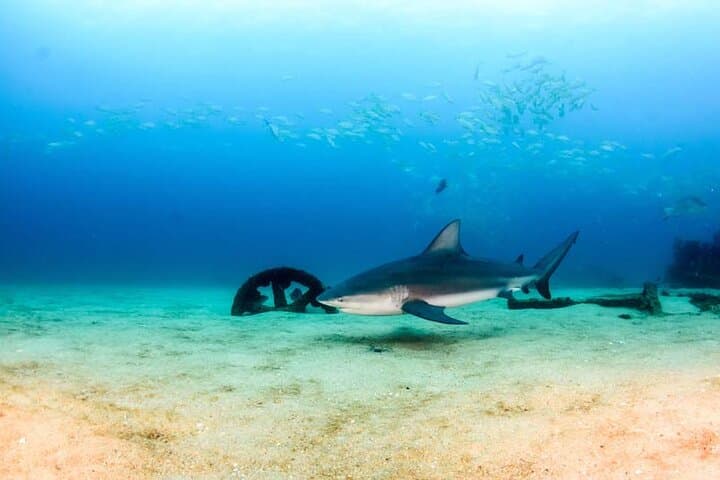
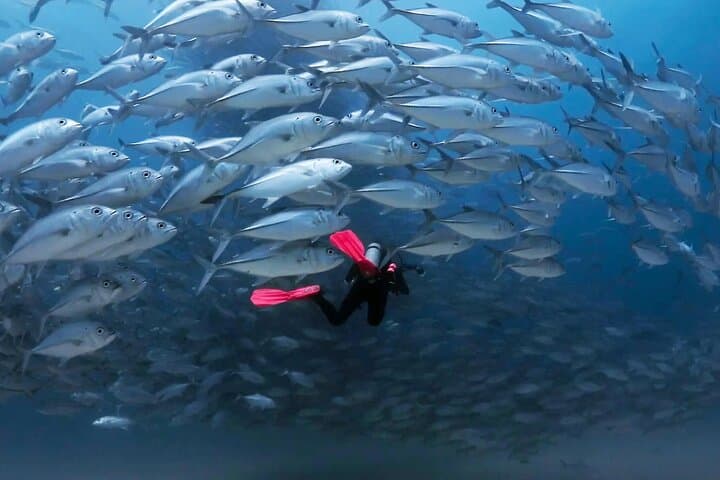
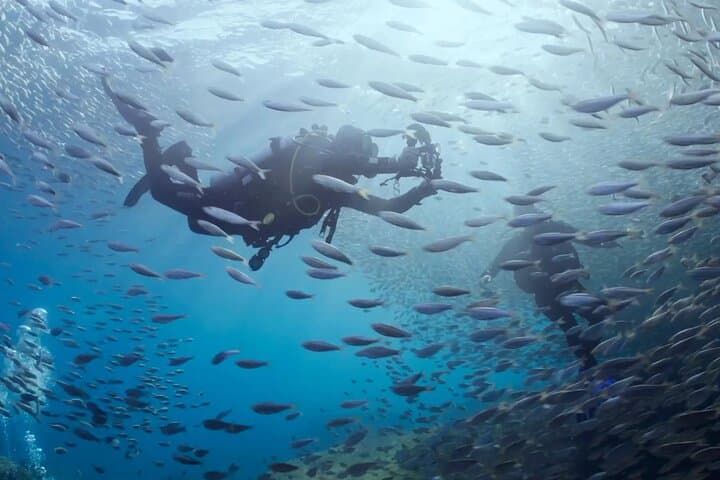
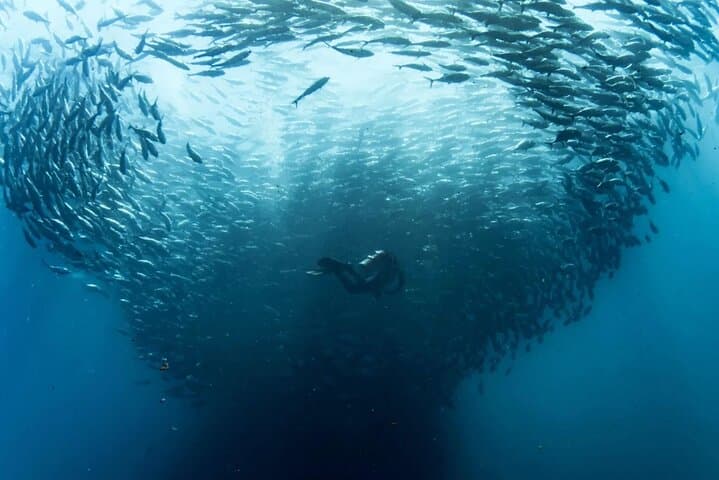
The Zodiac eases away from the sandbar and the reef rearranges the world. Beneath a bright, salt-stung surface, rock gardens and coral ridges rise into sunlight like underwater mesas; snappers glitter in tight, metal-colored schools and green turtles navigatorially glide between fingers of coral. On a good day the reef feels busy—thousands of jacks turning as one, grouper biding in crevices, and, if luck favors you, bull sharks cruising along the outer wall with efficient, indifferent grace.
Verified experiences and guided adventures in the surrounding area.
Operated by See Creatures · Cabo Pulmo, Baja California Sur
The Zodiac eases away from the sandbar and the reef rearranges the world. Beneath a bright, salt-stung surface, rock gardens and coral ridges rise into sunlight like underwater mesas; snappers glitter in tight, metal-colored schools and green turtles navigatorially glide between fingers of coral. On a good day the reef feels busy—thousands of jacks turning as one, grouper biding in crevices, and, if luck favors you, bull sharks cruising along the outer wall with efficient, indifferent grace.
Cabo Pulmo is more than a dive site; it’s a living case study. Once a modest fishing village on the eastern shore of Baja California Sur, the community fought in the 1990s to protect these reefs and, in 1995, the area became a national marine park. The result is a rare success story: a network of coral heads and limestone ridges that support dense schools and apex predators, all within the sheltered caldera of the Gulf of California.
Geologically, the reef sits on an uplifted patch of oceanic crust—rocky ridges sculpted into walls and bommies where currents funnel nutrients and fish congregate. Culturally, the village still keeps a small‑town pace: solar panels, fishing skiffs docked at low tide, and simple beachside cabins that remind you the reef’s protection is grassroots, not corporate.
Practically, this is a full-day, boat-based experience best suited to certified divers, though experienced snorkelers can enjoy shallower gardens. Tours typically leave from Cabo San Lucas in the morning, include round-trip transport, two or three dives (or guided snorkel), use of scuba/snorkel equipment, and lunch. Visibility is generally excellent—10–30 meters—though conditions vary with season and weather. Currents can be moderate on the outer wall; the dive briefings emphasize neutral buoyancy and group discipline. Expect water temps from the high 60s°F in winter to the low 80s°F in late summer.
What to bring: your certification card, a wetsuit (3–5mm in cooler months), a lightweight surface cover for sun protection, motion-sickness meds if you’re sensitive, and reef-safe sunscreen. Stay hydrated and pace your air—dives here can tempt you to linger. Respect the no-take rules and local guidelines; the community’s conservation work is why you’re seeing so much life.
For photographers, bring an underwater housing and a wide-angle lens to capture schools and reef architecture; dawn dives offer the cleanest light. On shore, the village pier is quiet at sunset and a good place to decompress after a long day of diving.
Cabo Pulmo is straightforward to reach from Cabo San Lucas, but it feels remote once the reef drops away beneath you. That remoteness is part of the point: you’re diving into a recovered ecosystem—one where a small community flipped the script and where each dive lets you witness what protection can rebuild.
moderate.
8–10 hours.
Moderate fitness; able to carry personal kit and complete multiple shallow-to-moderate depth dives
Certified divers are required for scuba dives; snorkelers can join shallower sessions—bring your certification card for scuba.
The tour is a full-day outing (about 8–10 hours) and typically includes round-trip transport from Cabo San Lucas, boat transfers, use of scuba/snorkel equipment, and lunch.
Expect abundant snappers, jacks, groupers, green turtles, and occasionally bull sharks, especially along the outer wall.
Currents can be moderate on some wall dives—briefings cover site-specific conditions and guides plan dives accordingly.
Late spring through fall often offers warm water and excellent visibility; winter months can be cooler but still clear with good chances for large pelagics.
Participants must be in good cardiovascular health; pregnant travelers and those with certain spinal or heart conditions are advised not to dive—check operator policies for age and weight limits.
Cabo Pulmo transitioned from a small fishing community to a national marine park in 1995 after local advocacy established strict protection measures.
The reef’s recovery is driven by community-enforced no-take rules; visitors should follow buoyancy, no-touch policies, and use reef-safe products to minimize impact.
See Creatures operates guided outdoor trips and adventures with an emphasis on safety, stewardship, and memorable experiences.
The Zodiac eases away from the sandbar and the reef rearranges the world. Beneath a bright, salt-stung surface, rock gardens and coral ridges rise into sunlight like underwater mesas; snappers glitter in tight, metal-colored schools and green turtles navigatorially glide between fingers of coral. On a good day the reef feels busy—thousands of jacks turning as one, grouper biding in crevices, and, if luck favors you, bull sharks cruising along the outer wall with efficient, indifferent grace.
The Zodiac eases away from the sandbar and the reef rearranges the world. Beneath a bright, salt-stung surface, rock gardens and coral ridges rise into sunlight like underwater mesas; snappers glitter in tight, metal-colored schools and green turtles navigatorially glide between fingers of coral. On a good day the reef feels busy—thousands of jacks turning as one, grouper biding in crevices, and, if luck favors you, bull sharks cruising along the outer wall with efficient, indifferent grace.
Cabo Pulmo is more than a dive site; it’s a living case study. Once a modest fishing village on the eastern shore of Baja California Sur, the community fought in the 1990s to protect these reefs and, in 1995, the area became a national marine park. The result is a rare success story: a network of coral heads and limestone ridges that support dense schools and apex predators, all within the sheltered caldera of the Gulf of California.
Geologically, the reef sits on an uplifted patch of oceanic crust—rocky ridges sculpted into walls and bommies where currents funnel nutrients and fish congregate. Culturally, the village still keeps a small‑town pace: solar panels, fishing skiffs docked at low tide, and simple beachside cabins that remind you the reef’s protection is grassroots, not corporate.
Practically, this is a full-day, boat-based experience best suited to certified divers, though experienced snorkelers can enjoy shallower gardens. Tours typically leave from Cabo San Lucas in the morning, include round-trip transport, two or three dives (or guided snorkel), use of scuba/snorkel equipment, and lunch. Visibility is generally excellent—10–30 meters—though conditions vary with season and weather. Currents can be moderate on the outer wall; the dive briefings emphasize neutral buoyancy and group discipline. Expect water temps from the high 60s°F in winter to the low 80s°F in late summer.
What to bring: your certification card, a wetsuit (3–5mm in cooler months), a lightweight surface cover for sun protection, motion-sickness meds if you’re sensitive, and reef-safe sunscreen. Stay hydrated and pace your air—dives here can tempt you to linger. Respect the no-take rules and local guidelines; the community’s conservation work is why you’re seeing so much life.
For photographers, bring an underwater housing and a wide-angle lens to capture schools and reef architecture; dawn dives offer the cleanest light. On shore, the village pier is quiet at sunset and a good place to decompress after a long day of diving.
Cabo Pulmo is straightforward to reach from Cabo San Lucas, but it feels remote once the reef drops away beneath you. That remoteness is part of the point: you’re diving into a recovered ecosystem—one where a small community flipped the script and where each dive lets you witness what protection can rebuild.