THE ADVENTURE COLLECTIVE® · Independent discovery and booking for outdoor travel

A 12-day, coast-to-highlands pilgrimage through Sri Lanka’s cultural triangle and southern coast. Visit ancient stupas, climb Sigiriya’s Lion Rock, track elephants in Udawalawe and end beside Hikkaduwa’s turtle-friendly shores.
A 12-day, coast-to-highlands pilgrimage through Sri Lanka’s cultural triangle and southern coast. Visit ancient stupas, climb Sigiriya’s Lion Rock, track elephants in Udawalawe and end beside Hikkaduwa’s turtle-friendly shores.
The first light in Colombo arrives warm and patient, slipping across the harbor as an air-conditioned minivan eases out of the city. Over the next twelve days the highway will become a thread through centuries: stone stairways that remember kings, cave temples whose murals still hum with whispered chants, and islands of tea bushes that fold like green waves beneath the central highlands. This is not a passive sightseeing circuit but a paced pilgrimage — a moving sequence of sacred sites and wildlife encounters that asks travelers to slow, look and listen.
Verified experiences and guided adventures in the surrounding area.
Operated by Lakpura LLC · Colombo, Western Province
The first light in Colombo arrives warm and patient, slipping across the harbor as an air-conditioned minivan eases out of the city. Over the next twelve days the highway will become a thread through centuries: stone stairways that remember kings, cave temples whose murals still hum with whispered chants, and islands of tea bushes that fold like green waves beneath the central highlands. This is not a passive sightseeing circuit but a paced pilgrimage — a moving sequence of sacred sites and wildlife encounters that asks travelers to slow, look and listen.
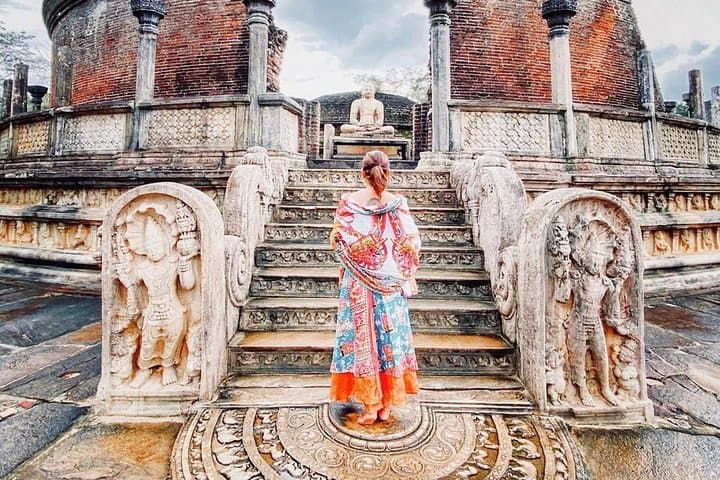
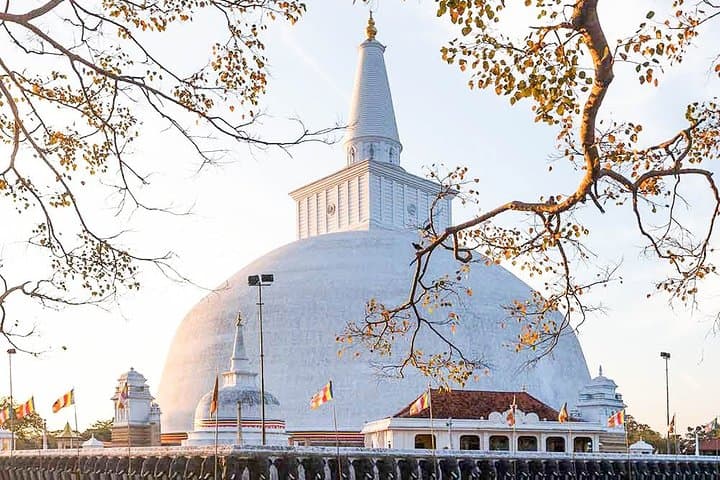
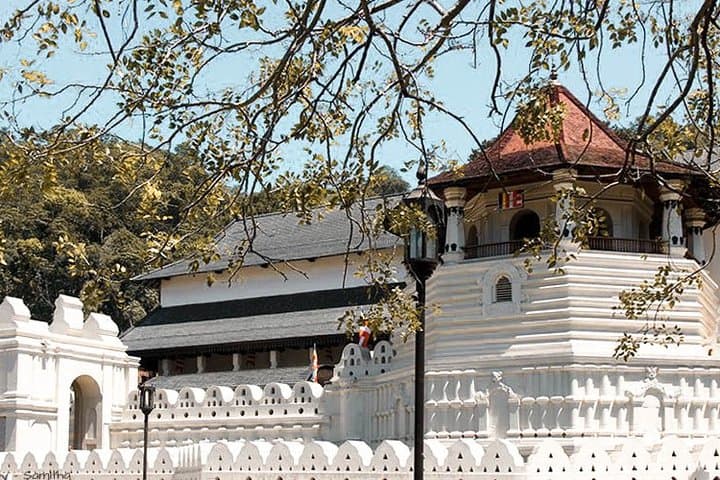
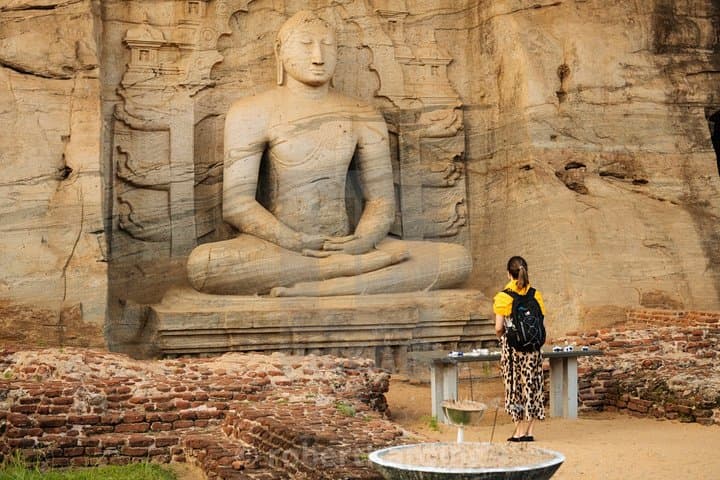
Begin in the capital, where colonial facades and modern bustle sit cheek by jowl, then travel north to Anuradhapura, where the stupas and Bodhi tree hint at a religious tradition that took root in the third century BCE. Mihintale’s worn steps climb to a ridge where, local tradition holds, the monk Mahinda met King Devanampiyatissa — the moment Buddhism anchored in Sri Lanka. The itinerary threads through Polonnaruwa’s stone-carved Buddhas, Sigiriya’s lion-framed entrance and Kandy’s Temple of the Tooth, each site offering a distinct architectural language: rock-hewn chambers, painted cave ceilings, and terraced water gardens that still manage their ancient irrigation.
Geologically, the island’s backbone shapes the journey: the Central Highlands push the route through cooler air and tea estates, while the southern plains open to ocean-breath and mangrove. Udawalawe National Park switches the pace — grasslands and marshes that favor elephants, whose bulk moves with a quiet deliberateness that fills binoculars and camera frames. The coastal finish at Hikkaduwa offers another rhythm entirely: reef, surf, and the slow comings and goings of nesting turtles.
Practical pace and preparation matter. Expect multiple early starts and several hikes or stair climbs — Sigiriya’s iron staircases, the stepped ascent at Mihintale — so a basic level of fitness and surefooted shoes make the days more pleasurable. Temperatures vary: the lowlands are humid and sun-forward; the hill country is cooler and often mist-soft. Respectful dress is required at temples — shoulders and knees covered — and a modest donation or participation in a short pooja is often welcome.
Plan water and layered sun protection; carry a lightweight rain jacket for sudden tropical downpours. Travel time between sites can be substantial, so use the drives as part of the experience: watch villages and paddy fields slide by, and look for roadside stalls selling king coconut and warm short eats. Guide commentary will enrich the route — historical context, ritual meaning, and local practices — turning a sequence of stops into a coherent cultural arc.
For travelers seeking history, wildlife and contemplative moments, this 12-day pilgrimage balances ceremony with scenery. It’s an itinerary that rewards attention: the carved face of a Buddha revealed at dusk, the scrape of elephant feet in wet grass, and the hush that falls over a cave temple when a chant begins.
easy.
12 days.
Light to moderate fitness; comfortable walking and stair climbing required on some days
Some sites include admission in the tour; others (like Sigiriya and certain museums) often require separate entry fees—confirm at booking.
The itinerary is rated easy and family-friendly, but some climbs and long drive days may be strenuous for very young children or travelers with limited mobility.
English-speaking chauffeur-guides are provided; request translators for other languages at booking if needed.
Wildlife sightings are common—especially elephants and water birds—but sightings can’t be guaranteed; morning safaris increase chances.
Standard travel vaccinations are recommended; bring prophylaxis for mosquito-borne illnesses and carry any personal medications.
Pickup is included from Colombo International Airport or central Colombo hotels; specify your pickup point when booking.
Buddhism arrived in Sri Lanka in the 3rd century BCE and royal patronage over centuries shaped the island’s monastic architecture and learning centers.
Protected areas like Udawalawe focus on secure habitat for elephants; at coastal sites, responsible turtle-watching guidelines help minimize disturbance to nesting females.
Lakpura LLC operates guided outdoor trips and adventures with an emphasis on safety, stewardship, and memorable experiences.
The first light in Colombo arrives warm and patient, slipping across the harbor as an air-conditioned minivan eases out of the city. Over the next twelve days the highway will become a thread through centuries: stone stairways that remember kings, cave temples whose murals still hum with whispered chants, and islands of tea bushes that fold like green waves beneath the central highlands. This is not a passive sightseeing circuit but a paced pilgrimage — a moving sequence of sacred sites and wildlife encounters that asks travelers to slow, look and listen.
The first light in Colombo arrives warm and patient, slipping across the harbor as an air-conditioned minivan eases out of the city. Over the next twelve days the highway will become a thread through centuries: stone stairways that remember kings, cave temples whose murals still hum with whispered chants, and islands of tea bushes that fold like green waves beneath the central highlands. This is not a passive sightseeing circuit but a paced pilgrimage — a moving sequence of sacred sites and wildlife encounters that asks travelers to slow, look and listen.
Begin in the capital, where colonial facades and modern bustle sit cheek by jowl, then travel north to Anuradhapura, where the stupas and Bodhi tree hint at a religious tradition that took root in the third century BCE. Mihintale’s worn steps climb to a ridge where, local tradition holds, the monk Mahinda met King Devanampiyatissa — the moment Buddhism anchored in Sri Lanka. The itinerary threads through Polonnaruwa’s stone-carved Buddhas, Sigiriya’s lion-framed entrance and Kandy’s Temple of the Tooth, each site offering a distinct architectural language: rock-hewn chambers, painted cave ceilings, and terraced water gardens that still manage their ancient irrigation.
Geologically, the island’s backbone shapes the journey: the Central Highlands push the route through cooler air and tea estates, while the southern plains open to ocean-breath and mangrove. Udawalawe National Park switches the pace — grasslands and marshes that favor elephants, whose bulk moves with a quiet deliberateness that fills binoculars and camera frames. The coastal finish at Hikkaduwa offers another rhythm entirely: reef, surf, and the slow comings and goings of nesting turtles.
Practical pace and preparation matter. Expect multiple early starts and several hikes or stair climbs — Sigiriya’s iron staircases, the stepped ascent at Mihintale — so a basic level of fitness and surefooted shoes make the days more pleasurable. Temperatures vary: the lowlands are humid and sun-forward; the hill country is cooler and often mist-soft. Respectful dress is required at temples — shoulders and knees covered — and a modest donation or participation in a short pooja is often welcome.
Plan water and layered sun protection; carry a lightweight rain jacket for sudden tropical downpours. Travel time between sites can be substantial, so use the drives as part of the experience: watch villages and paddy fields slide by, and look for roadside stalls selling king coconut and warm short eats. Guide commentary will enrich the route — historical context, ritual meaning, and local practices — turning a sequence of stops into a coherent cultural arc.
For travelers seeking history, wildlife and contemplative moments, this 12-day pilgrimage balances ceremony with scenery. It’s an itinerary that rewards attention: the carved face of a Buddha revealed at dusk, the scrape of elephant feet in wet grass, and the hush that falls over a cave temple when a chant begins.