THE ADVENTURE COLLECTIVE® · Independent discovery and booking for outdoor travel

Float through Budapest in a two-seat tuk tuk for two hours of riverfront vistas, hilltop panoramas and intimate city streets. This private tour pairs nimble urban routing with curated stops at Gellért Hill, Buda Castle and the Fisherman's Bastion.
Float through Budapest in a two-seat tuk tuk for two hours of riverfront vistas, hilltop panoramas and intimate city streets. This private tour pairs nimble urban routing with curated stops at Gellért Hill, Buda Castle and the Fisherman's Bastion.
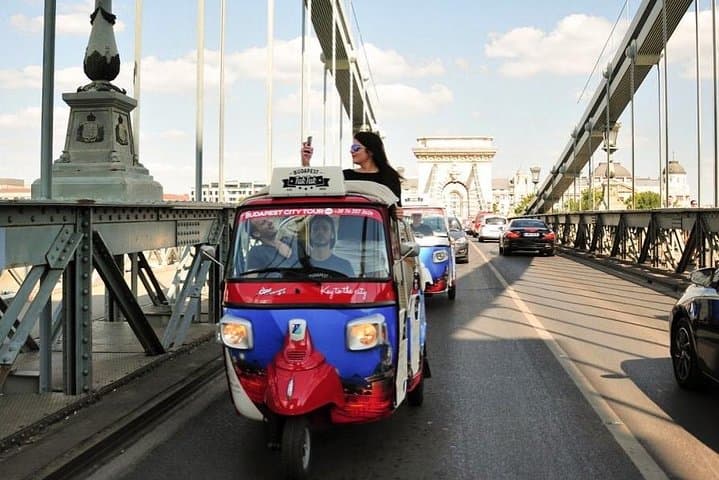
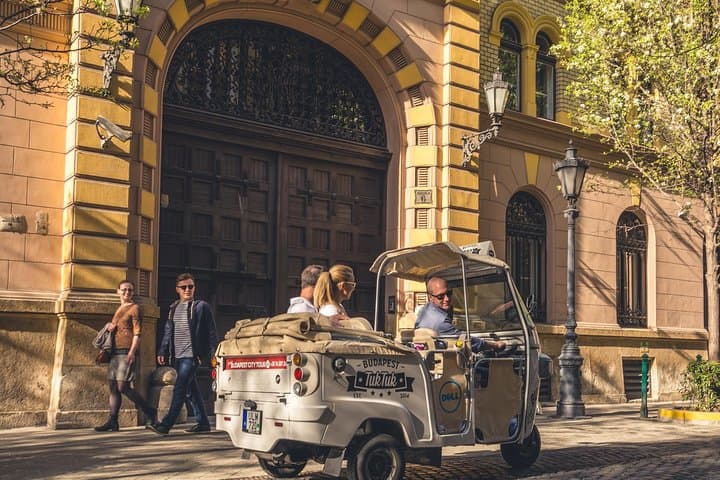
You begin in the hush of a historic boulevard as a two-seat tuk tuk hums to life beneath a streetlamp. The driver—part guide, part chauffeur—slides through narrow lanes where cafe tables cluster and the air smells of fresh pastry and espresso. The Danube waits like a wide, silver ribbon daring the tuk tuk to curve along its bank; in minutes the city opens like a map: the domes of St. Stephen’s, the iron web of the Chain Bridge, the green slope of Gellért Hill rising ahead.
Verified experiences and guided adventures in the surrounding area.
Operated by Budapest TukTuk · Budapest, Budapest
You begin in the hush of a historic boulevard as a two-seat tuk tuk hums to life beneath a streetlamp. The driver—part guide, part chauffeur—slides through narrow lanes where cafe tables cluster and the air smells of fresh pastry and espresso. The Danube waits like a wide, silver ribbon daring the tuk tuk to curve along its bank; in minutes the city opens like a map: the domes of St. Stephen’s, the iron web of the Chain Bridge, the green slope of Gellért Hill rising ahead.
Budapest’s layered past follows the vehicle. Roman roads underlay Medieval neighborhoods; Ottoman baths still steam where Habsburg boulevards meet socialist-era boulevards. Geology is subtle here—limestone hills on the Buda side give the city its lookout points, while the flat Pest plain holds grid-like avenues and grand squares. The tour threads both halves, climbing to the Citadella for a 15-minute stop that puts the Danube and both riverbanks into context: a line that has carried trade, armies and lovers for centuries.
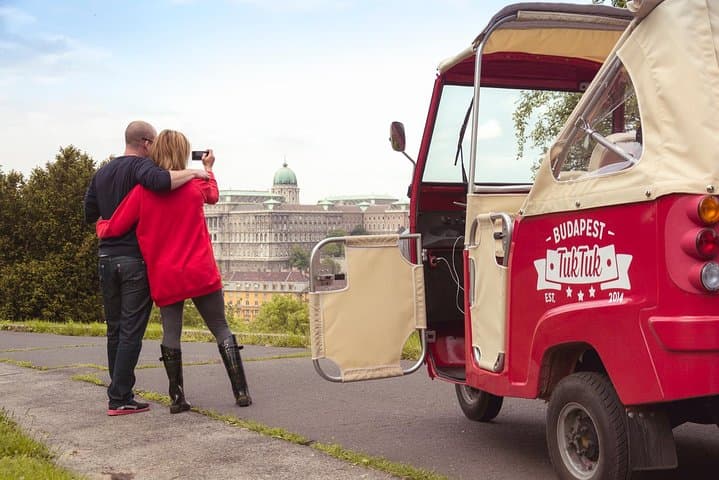
Culture is audible on this route. Along the way the guide points out the Gresham Palace’s art nouveau flourishes, the baroque bulk of Buda Castle and the intimate Károlyi Garden tucked behind office facades. Margaret Bridge angles toward Margaret Island, where locals jog and rowers slice the water at dawn. The experience is curated to highlight romance—sunset vistas, quiet terraces, and tucked-away viewpoints where couples often pause for photos.
Practically, the tuk tuk is an urban vehicle: low speed, nimble, and suited to narrow streets—expect roughly 8–12 km of driving in two hours, including a hill climb of about 120–140 m up Gellért Hill. The tour is private, with free downtown pickup and drop-off; it’s accessible to most travelers but has limits for large wheelchairs and bulky mobility devices. Weather can change plans—rides run only in favorable conditions and may be rescheduled if rain threatens.
To make the most of it, choose a late-afternoon slot for soft light over the Danube, bring a compact camera or phone with a wide-angle lens, and pack a light layer for the hilltop breeze. Dress smart casual as requested, but wear comfortable shoes for short photo stops. If you’re celebrating, let the operator know when booking—drivers often adjust the route for special requests.
The tuk tuk tour is an efficient, personable way to see Budapest’s high notes: historic vistas, intimate streets, and the river that unites them. It’s not a deep-dive museum day, but for a couple seeking a two-hour, human-scale sweep of the city—complete with skyline views and neighborhood secrets—it’s an ideal opening chapter.
easy.
2 hours.
Minimal fitness required—able to sit in a low-slung two-seat vehicle and handle short walks on cobblestones
One tuk tuk comfortably seats 2–3 people; larger groups should book additional vehicles—note odd-numbered groups may be split across tuk tuks.
Yes—free pickup and drop-off in the greater downtown area; you can also meet at a central point if preferred.
The route and many sights are wheelchair accessible, but tuk tuks have limited space and cannot transport standard folding wheelchairs—contact the provider for arrangements.
Tours are subject to favorable weather; if canceled for poor weather you’ll be offered an alternative date or refund per the provider’s policy.
Yes—an English-speaking guide is included for a private, personalized experience.
Tipping guides and drivers is customary but discretionary; 5–10% is common for exceptional service.
Budapest grew from distinct Buda and Pest towns united in 1873; remnants of Roman, Ottoman and Habsburg eras remain visible across the route.
The Danube is a protected waterway with ongoing cleanup programs; respect riverbanks and avoid littering—operators often emphasize low-impact stops.
Budapest TukTuk operates guided outdoor trips and adventures with an emphasis on safety, stewardship, and memorable experiences.

You begin in the hush of a historic boulevard as a two-seat tuk tuk hums to life beneath a streetlamp. The driver—part guide, part chauffeur—slides through narrow lanes where cafe tables cluster and the air smells of fresh pastry and espresso. The Danube waits like a wide, silver ribbon daring the tuk tuk to curve along its bank; in minutes the city opens like a map: the domes of St. Stephen’s, the iron web of the Chain Bridge, the green slope of Gellért Hill rising ahead.
You begin in the hush of a historic boulevard as a two-seat tuk tuk hums to life beneath a streetlamp. The driver—part guide, part chauffeur—slides through narrow lanes where cafe tables cluster and the air smells of fresh pastry and espresso. The Danube waits like a wide, silver ribbon daring the tuk tuk to curve along its bank; in minutes the city opens like a map: the domes of St. Stephen’s, the iron web of the Chain Bridge, the green slope of Gellért Hill rising ahead.
Budapest’s layered past follows the vehicle. Roman roads underlay Medieval neighborhoods; Ottoman baths still steam where Habsburg boulevards meet socialist-era boulevards. Geology is subtle here—limestone hills on the Buda side give the city its lookout points, while the flat Pest plain holds grid-like avenues and grand squares. The tour threads both halves, climbing to the Citadella for a 15-minute stop that puts the Danube and both riverbanks into context: a line that has carried trade, armies and lovers for centuries.
Culture is audible on this route. Along the way the guide points out the Gresham Palace’s art nouveau flourishes, the baroque bulk of Buda Castle and the intimate Károlyi Garden tucked behind office facades. Margaret Bridge angles toward Margaret Island, where locals jog and rowers slice the water at dawn. The experience is curated to highlight romance—sunset vistas, quiet terraces, and tucked-away viewpoints where couples often pause for photos.
Practically, the tuk tuk is an urban vehicle: low speed, nimble, and suited to narrow streets—expect roughly 8–12 km of driving in two hours, including a hill climb of about 120–140 m up Gellért Hill. The tour is private, with free downtown pickup and drop-off; it’s accessible to most travelers but has limits for large wheelchairs and bulky mobility devices. Weather can change plans—rides run only in favorable conditions and may be rescheduled if rain threatens.
To make the most of it, choose a late-afternoon slot for soft light over the Danube, bring a compact camera or phone with a wide-angle lens, and pack a light layer for the hilltop breeze. Dress smart casual as requested, but wear comfortable shoes for short photo stops. If you’re celebrating, let the operator know when booking—drivers often adjust the route for special requests.
The tuk tuk tour is an efficient, personable way to see Budapest’s high notes: historic vistas, intimate streets, and the river that unites them. It’s not a deep-dive museum day, but for a couple seeking a two-hour, human-scale sweep of the city—complete with skyline views and neighborhood secrets—it’s an ideal opening chapter.