THE ADVENTURE COLLECTIVE® · Independent discovery and booking for outdoor travel

See Budapest on your terms: a private, four-hour luxury tour that pairs door-to-door transport with a local guide who tailors stops from Parliament and the Great Market Hall to Gellért Hill and Fisherman’s Bastion. Ideal for travelers who want efficient, deep context in half a day.
See Budapest on your terms: a private, four-hour luxury tour that pairs door-to-door transport with a local guide who tailors stops from Parliament and the Great Market Hall to Gellért Hill and Fisherman’s Bastion. Ideal for travelers who want efficient, deep context in half a day.
You step out of a quiet hotel lobby and into a sleek minibus; the city arrives with the first turn. Budapest keeps one foot in the Danube and the other in centuries of history — the river dares you to cross and compare Buda’s hilltop calm with Pest’s broad boulevards. Over four hours, a private guide threads stories through the stone: coronations and occupations, architectural flights and market cries.
Verified experiences and guided adventures in the surrounding area.
Operated by Sweet Travel Private Tours Kft. · Budapest, Budapest
You step out of a quiet hotel lobby and into a sleek minibus; the city arrives with the first turn. Budapest keeps one foot in the Danube and the other in centuries of history — the river dares you to cross and compare Buda’s hilltop calm with Pest’s broad boulevards. Over four hours, a private guide threads stories through the stone: coronations and occupations, architectural flights and market cries.
Begin on the Pest bank with the Parliament’s ornate façade: your guide outlines the building’s late-19th-century nationalist ambition and points to the Holy Right Hand inside St. Stephen’s Basilica — a relic that still draws hushed attention. Walk the stalls of the Great Market Hall where paprika sacks and smoked sausage announce Hungarian flavors; the market is both a daily lifeline and a window into urban food culture.
Crossing the Danube shifts the geology and mood. Gellért Hill rises from loess and basalt, its slopes offering broad panoramas where the Liberation Monument keeps watch over the city. The hill is a spine of viewpoints; on clear days the angled sunlight chisels the rooftops into a study of seasons and stone.
On the Buda side the Castle District feels deliberate — medieval streets, Matthias Church’s tiled roof and the fairy-tale turrets of Fisherman’s Bastion. These lookouts were built in the late 19th and early 20th centuries to stage a grand narrative of Hungary’s past; your guide will parse the restorations and myths so you can see what’s original and what’s theatrical.
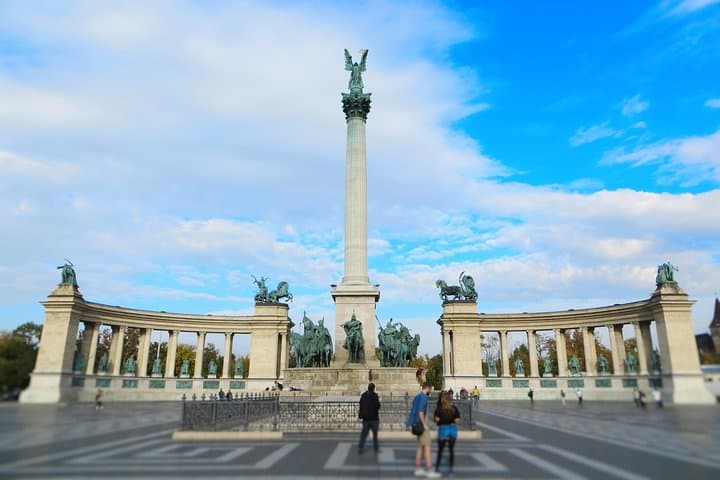
The Jewish Quarter cuts a different pace: ruin bars, synagogues, and a history of resilience. Heroes’ Square and Vajdahunyad Castle open another chapter — monuments and museum façades that map 19th-century Hungary’s search for identity.
Practical guidance: this private tour is door-to-door and fully customizable, so prioritize two or three must-see stops to avoid rushed visits. Wear comfortable walking shoes — cobbles and stairs are constant — and carry a light daypack with water and a portable charger for photos. If you want interior visits (Parliament, Basilica), prebook tickets or arrive early; minibuses can’t always reach narrow Castle District lanes, so expect short walks.
Timing matters: morning light on the Danube clarifies facades and reduces crowds at markets; late afternoon on Gellért Hill gives warm panoramas. Your guide will adapt pace and focus — whether architecture, food, or history — and that flexibility is the tour’s value: an efficient, attentive way to read Budapest’s layers in a single, well-paced half day.
easy.
4 hours.
Suitable for most fitness levels; able to stand and walk short distances over uneven surfaces for up to an hour at a stretch.
Yes — minibuses and the tour operator provide wheelchair-accessible transportation and can tailor stops; notify them when booking.
Absolutely — this private tour is designed around your interests; tell the operator your priorities when you book.
Interior visits depend on availability and separate admission; request these in advance to secure entry during your tour window.
Private tours typically use vehicles sized for small groups; confirm vehicle size when booking if your group is large or has luggage.
Guides are available in multiple languages; specify your preferred language during booking to ensure a fluent, contextual narration.
The tour runs in most weather; guides adjust the route for comfort (more indoor stops) but check the cancellation policy for refunds if you need to change plans.
Budapest’s modern shape emerged in 1873 when Buda, Pest and Óbuda unified; later Austro-Hungarian ambitions and Ottoman occupation shaped its architecture and urban layout.
The city manages historic sites with active restoration programs; visitors can help by staying on paths, avoiding drone use over landmarks, and supporting local vendors rather than single-use plastics.
Sweet Travel Private Tours Kft. operates guided outdoor trips and adventures with an emphasis on safety, stewardship, and memorable experiences.
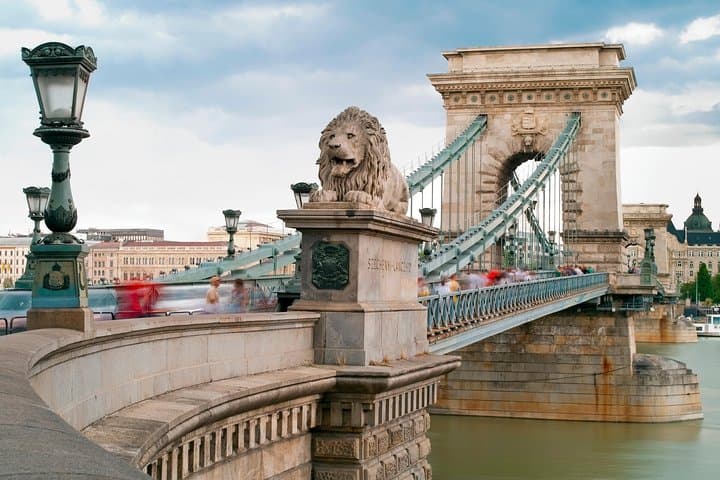


You step out of a quiet hotel lobby and into a sleek minibus; the city arrives with the first turn. Budapest keeps one foot in the Danube and the other in centuries of history — the river dares you to cross and compare Buda’s hilltop calm with Pest’s broad boulevards. Over four hours, a private guide threads stories through the stone: coronations and occupations, architectural flights and market cries.
You step out of a quiet hotel lobby and into a sleek minibus; the city arrives with the first turn. Budapest keeps one foot in the Danube and the other in centuries of history — the river dares you to cross and compare Buda’s hilltop calm with Pest’s broad boulevards. Over four hours, a private guide threads stories through the stone: coronations and occupations, architectural flights and market cries.
Begin on the Pest bank with the Parliament’s ornate façade: your guide outlines the building’s late-19th-century nationalist ambition and points to the Holy Right Hand inside St. Stephen’s Basilica — a relic that still draws hushed attention. Walk the stalls of the Great Market Hall where paprika sacks and smoked sausage announce Hungarian flavors; the market is both a daily lifeline and a window into urban food culture.
Crossing the Danube shifts the geology and mood. Gellért Hill rises from loess and basalt, its slopes offering broad panoramas where the Liberation Monument keeps watch over the city. The hill is a spine of viewpoints; on clear days the angled sunlight chisels the rooftops into a study of seasons and stone.
On the Buda side the Castle District feels deliberate — medieval streets, Matthias Church’s tiled roof and the fairy-tale turrets of Fisherman’s Bastion. These lookouts were built in the late 19th and early 20th centuries to stage a grand narrative of Hungary’s past; your guide will parse the restorations and myths so you can see what’s original and what’s theatrical.
The Jewish Quarter cuts a different pace: ruin bars, synagogues, and a history of resilience. Heroes’ Square and Vajdahunyad Castle open another chapter — monuments and museum façades that map 19th-century Hungary’s search for identity.
Practical guidance: this private tour is door-to-door and fully customizable, so prioritize two or three must-see stops to avoid rushed visits. Wear comfortable walking shoes — cobbles and stairs are constant — and carry a light daypack with water and a portable charger for photos. If you want interior visits (Parliament, Basilica), prebook tickets or arrive early; minibuses can’t always reach narrow Castle District lanes, so expect short walks.
Timing matters: morning light on the Danube clarifies facades and reduces crowds at markets; late afternoon on Gellért Hill gives warm panoramas. Your guide will adapt pace and focus — whether architecture, food, or history — and that flexibility is the tour’s value: an efficient, attentive way to read Budapest’s layers in a single, well-paced half day.