THE ADVENTURE COLLECTIVE® · Independent discovery and booking for outdoor travel

See Budapest’s major sights in three hours: a live‑guided bus tour that pairs exterior views of Parliament and St. Stephen’s with short walks at Gellért Citadel, Fisherman’s Bastion and Heroes’ Square. Ideal as a first‑day orientation or a compact city primer.
See Budapest’s major sights in three hours: a live‑guided bus tour that pairs exterior views of Parliament and St. Stephen’s with short walks at Gellért Citadel, Fisherman’s Bastion and Heroes’ Square. Ideal as a first‑day orientation or a compact city primer.
You step onto the curb outside the InterContinental, a small blue Eurama flag snapping in the breeze, and the city greets you like an open plan: river, bridges, domes, and rooftops stacked like a living map. In three hours the bus will thread the Danube’s spine from Pest to Buda, giving you the architectural headlines—Parliament’s neo‑Gothic façade, St. Stephen’s Basilica rising like a lookout, then the quieter, wind-scoured viewpoints of Gellért and the castle terrace.
Verified experiences and guided adventures in the surrounding area.
Operated by Eurama Travel Agency - Sightseeing City Tours Budapest · Budapest, Budapest
You step onto the curb outside the InterContinental, a small blue Eurama flag snapping in the breeze, and the city greets you like an open plan: river, bridges, domes, and rooftops stacked like a living map. In three hours the bus will thread the Danube’s spine from Pest to Buda, giving you the architectural headlines—Parliament’s neo‑Gothic façade, St. Stephen’s Basilica rising like a lookout, then the quieter, wind-scoured viewpoints of Gellért and the castle terrace.
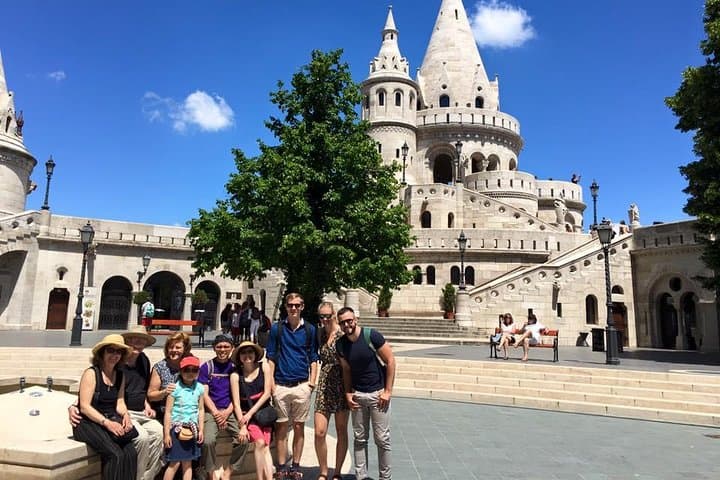
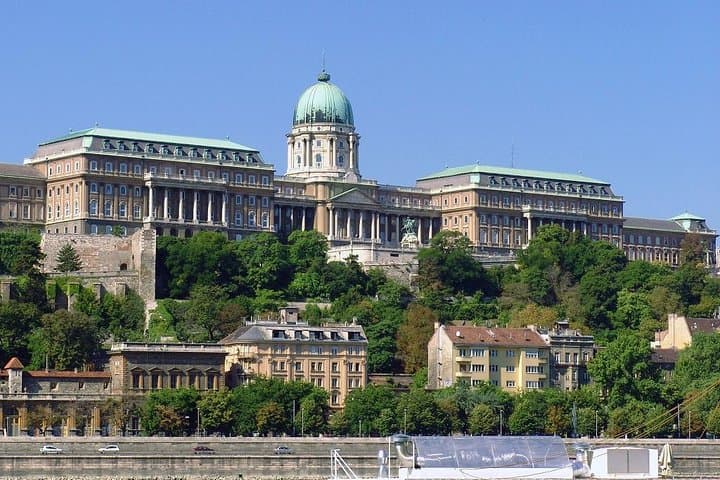
The tour is compact by design. Guides stitch brief walks and photo stops into a smooth loop that connects Budapest’s political heartlines with the old defensive ridge above the river. Fisherman’s Bastion, built 1895–1902 to celebrate a millennium of Magyar settlement, frames the panorama in white neo‑Romanesque turrets; across the cobbles, Matthias Church keeps a Gothic spine and colorful tiled roof that has watched coronations and sieges. Down in Pest, Andrássy Avenue channels 19th‑century ambitions toward Heroes’ Square—its column and statues marking a modern nation’s origin story—while City Park holds the fairytale Vajdahunyad Castle and the steam‑clouded pools of Széchenyi Baths.
Geology shows itself subtly: Gellért Hill is a limestone outcrop punctured by thermal springs that built the city’s bathing culture; the Danube’s broad floodplain is where Ottoman, Habsburg and modern urban life layered themselves on top of one another. Culturally, the route is an economical primer—classical music halls near the Opera, mosaics and statues that speak to imperial wealth, and socialist-era memorials that pause the narrative.
Practicalities are straightforward. The loop runs about three hours with two short guided walks and multiple photo stops; expect mostly paved streets and cobblestones—comfortable shoes matter. The group returns to the InterContinental; there’s no door-to-door pickup. Guides are often multi‑lingual and the vehicle has air conditioning. Bring a small daypack, a refillable water bottle and a light layer for wind on the Gellért Citadel.
Timing and tips: arrive 30 minutes early at the Eurama office; the best photos of the city come from Fisherman’s Bastion and the Citadel facing sunset, while morning light favors the Parliament from the Pest side. If you prefer deeper museum time or thermal bathing, plan those as separate visits—the half‑day tour is an orientation, not an in‑depth stop.
For travelers with limited mobility: the tour is rated easy but includes steps and short uphill sections; contact the operator ahead for assistance. Weather can change quickly on the hilltops—pack a rain shell in shoulder seasons. In three hours, Budapest gives you a readable outline: precise, scenic, and enough to make you want to stay longer.
easy.
3 hours.
Suitable for most fitness levels; able to walk short distances and climb stairs.
The meeting point is the Eurama office in the InterContinental Hotel Budapest (ground floor facing Apáczai Csere János street); arrive 30 minutes before departure to check in.
Yes—strollers are accessible on most sections and infant seats are available, but you’ll still encounter short walks and some stairs.
The itinerary includes set photo and walk stops; longer independent exploration isn’t included—plan extra time separately if you want deeper visits.
Tours may be operated by multi‑lingual guides; check booking details for language availability before you purchase.
The tour is generally easy but includes steps and uneven surfaces; contact the operator in advance to discuss accessibility needs and assistance options.
For a full refund cancel at least 24 hours before departure; cancellations within 24 hours are not refundable.
The monuments on this route span eras: Matthias Church contains medieval and Baroque layers while Fisherman’s Bastion is a late 19th‑century neo‑historic celebration of Hungarian chieftains.
Budapest’s thermal springs are a vital resource managed for public bathing—stick to marked paths and avoid littering to protect fragile spring-fed habitats.
Eurama Travel Agency - Sightseeing City Tours Budapest operates guided outdoor trips and adventures with an emphasis on safety, stewardship, and memorable experiences.
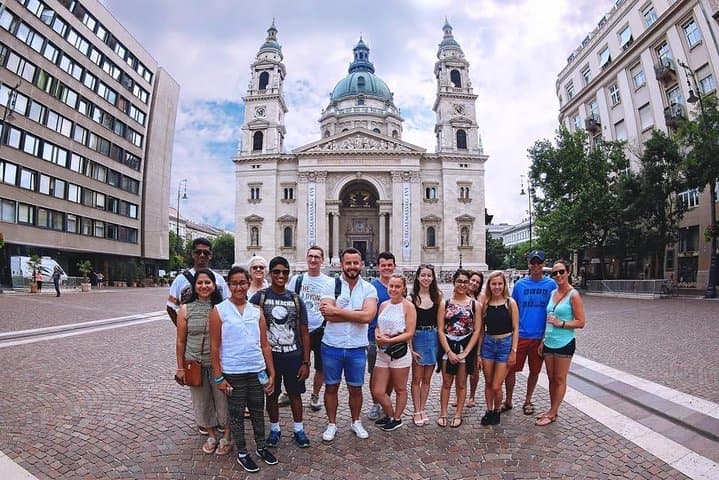
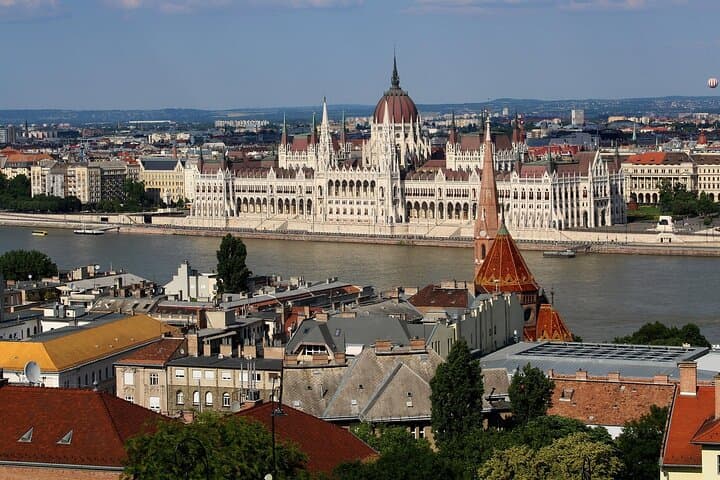
You step onto the curb outside the InterContinental, a small blue Eurama flag snapping in the breeze, and the city greets you like an open plan: river, bridges, domes, and rooftops stacked like a living map. In three hours the bus will thread the Danube’s spine from Pest to Buda, giving you the architectural headlines—Parliament’s neo‑Gothic façade, St. Stephen’s Basilica rising like a lookout, then the quieter, wind-scoured viewpoints of Gellért and the castle terrace.
You step onto the curb outside the InterContinental, a small blue Eurama flag snapping in the breeze, and the city greets you like an open plan: river, bridges, domes, and rooftops stacked like a living map. In three hours the bus will thread the Danube’s spine from Pest to Buda, giving you the architectural headlines—Parliament’s neo‑Gothic façade, St. Stephen’s Basilica rising like a lookout, then the quieter, wind-scoured viewpoints of Gellért and the castle terrace.
The tour is compact by design. Guides stitch brief walks and photo stops into a smooth loop that connects Budapest’s political heartlines with the old defensive ridge above the river. Fisherman’s Bastion, built 1895–1902 to celebrate a millennium of Magyar settlement, frames the panorama in white neo‑Romanesque turrets; across the cobbles, Matthias Church keeps a Gothic spine and colorful tiled roof that has watched coronations and sieges. Down in Pest, Andrássy Avenue channels 19th‑century ambitions toward Heroes’ Square—its column and statues marking a modern nation’s origin story—while City Park holds the fairytale Vajdahunyad Castle and the steam‑clouded pools of Széchenyi Baths.
Geology shows itself subtly: Gellért Hill is a limestone outcrop punctured by thermal springs that built the city’s bathing culture; the Danube’s broad floodplain is where Ottoman, Habsburg and modern urban life layered themselves on top of one another. Culturally, the route is an economical primer—classical music halls near the Opera, mosaics and statues that speak to imperial wealth, and socialist-era memorials that pause the narrative.
Practicalities are straightforward. The loop runs about three hours with two short guided walks and multiple photo stops; expect mostly paved streets and cobblestones—comfortable shoes matter. The group returns to the InterContinental; there’s no door-to-door pickup. Guides are often multi‑lingual and the vehicle has air conditioning. Bring a small daypack, a refillable water bottle and a light layer for wind on the Gellért Citadel.
Timing and tips: arrive 30 minutes early at the Eurama office; the best photos of the city come from Fisherman’s Bastion and the Citadel facing sunset, while morning light favors the Parliament from the Pest side. If you prefer deeper museum time or thermal bathing, plan those as separate visits—the half‑day tour is an orientation, not an in‑depth stop.
For travelers with limited mobility: the tour is rated easy but includes steps and short uphill sections; contact the operator ahead for assistance. Weather can change quickly on the hilltops—pack a rain shell in shoulder seasons. In three hours, Budapest gives you a readable outline: precise, scenic, and enough to make you want to stay longer.