THE ADVENTURE COLLECTIVE® · Independent discovery and booking for outdoor travel

Board a speedboat from Buccoo and spend three hours snorkeling at three prime sites on Buccoo Reef—home to dolphins, green turtles and manta rays. This concise tour balances quick boat hops with relaxed swims and light refreshments on board.
Board a speedboat from Buccoo and spend three hours snorkeling at three prime sites on Buccoo Reef—home to dolphins, green turtles and manta rays. This concise tour balances quick boat hops with relaxed swims and light refreshments on board.
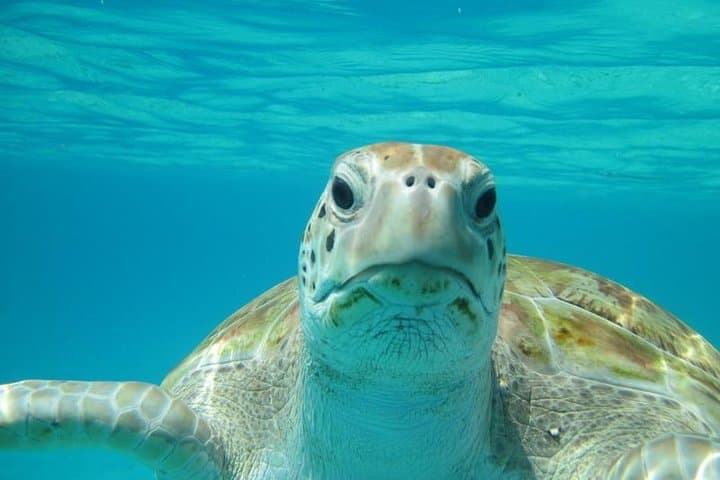
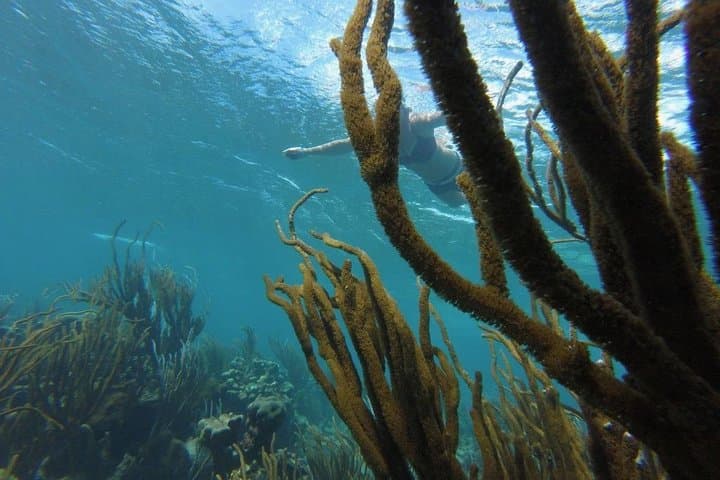
The boat cuts a clean line through the Caribbean blue, spray frosting your forearms as Tobago’s coastline slides away. Minutes later the engine hums down and the water takes over: a patchwork of reef and lagoon unfurls beneath the surface, turquoise breaking into indigo as coral gardens and sand channels reveal themselves. On a good morning, dolphins arc in the distance and green turtles surface for a breath, unbothered by the small band of snorkelers hovering at the edges of their world.
Verified experiences and guided adventures in the surrounding area.
Operated by Fish Tobago Tours · Buccoo, Tobago
The boat cuts a clean line through the Caribbean blue, spray frosting your forearms as Tobago’s coastline slides away. Minutes later the engine hums down and the water takes over: a patchwork of reef and lagoon unfurls beneath the surface, turquoise breaking into indigo as coral gardens and sand channels reveal themselves. On a good morning, dolphins arc in the distance and green turtles surface for a breath, unbothered by the small band of snorkelers hovering at the edges of their world.
This is Buccoo Reef—one of the best-accessible fringing reefs in the Southern Caribbean. Formed on an uplifted shelf of Pleistocene limestone, the reef has long been a source of food, trade and fascination for Tobagonians. Indigenous peoples and later colonial fishermen mapped these shallow reefs and channels; today small operators run quick speedboat loops out of Buccoo and nearby Crown Point to show visitors three distinct snorkeling points along the reef where coral bommies, finger corals and elkhorn clusters create swim-throughs and cleaning stations.
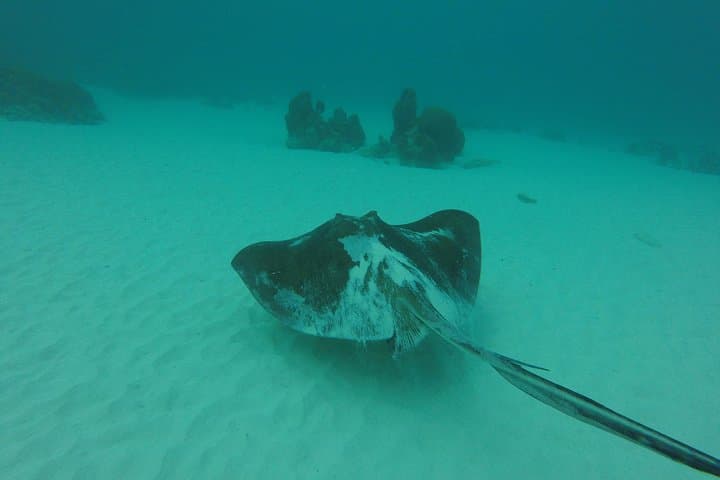
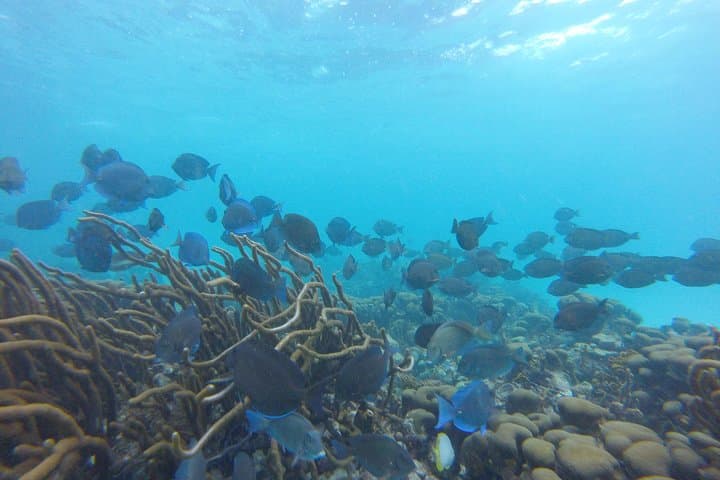
Geology here reads like a vertical history: shallow reef flat giving way to steeper coral walls and sandy channels that funnel small pelagics. The marine life is equally varied—reef fish dart between corals, rays lift like living kites above the sand, and seasonal visitors such as manta rays pass through on their migration. The local fishing villages retain a simple, maritime culture—fishermen mend nets on jetties, roadside huts sell fresh coconut water and the rhythm of the island sets the pace for a relaxed day at sea.
For travelers: expect a 3-hour excursion that combines short high-speed legs with relaxed snorkeling windows at three sites. Water depth at snorkel stops ranges from shallow flats (1–3 m) to deeper edges (4–8 m), so basic swimming comfort and a calm tolerance for open water are essential. Operators supply snorkel gear and bottled water; bring reef-safe sunscreen, a lightweight rash guard and a waterproof camera. Morning departures are best: glassy seas, clearer light and higher chances of dolphin or turtle encounters.
Respect the reef—no kicking, no touching, and keep a respectful distance from animals. If currents pick up, follow your guide’s direction and use the surface marker buoy when resting. These small choices keep snorkeling safe and the reef healthy for future visits. With minimal effort you’ll exit the water with salt in your hair, a handful of photos, and the distinct sense of having moved through someone else’s home—briefly and, if you pay attention, politely.
moderate.
3 hours.
Light to moderate swimming fitness; comfortable in open water and able to snorkel for short intervals
The excursion lasts about 3 hours, including boat transfers and three snorkeling stops.
Yes—operators provide masks, snorkels and often fins; you can bring your own for a better fit.
Children are allowed but infants must sit on an adult’s lap and all minors should be comfortable in the water; check age limits with the operator.
Common sightings include reef fish, green turtles, stingrays and, seasonally, manta rays and dolphins.
Not recommended for non-swimmers; participants should be comfortable floating and swimming in open water.
Tours are generally final sale; operators may still run trips depending on conditions—confirm directly at booking.
Buccoo Reef has supported local communities for generations; the area’s marine resources were historically central to Tocobago’s coastal livelihoods.
The reef faces pressure from climate change and local tourism; choose operators who follow no-touch policies and use mooring buoys instead of anchors.
Fish Tobago Tours operates guided outdoor trips and adventures with an emphasis on safety, stewardship, and memorable experiences.
The boat cuts a clean line through the Caribbean blue, spray frosting your forearms as Tobago’s coastline slides away. Minutes later the engine hums down and the water takes over: a patchwork of reef and lagoon unfurls beneath the surface, turquoise breaking into indigo as coral gardens and sand channels reveal themselves. On a good morning, dolphins arc in the distance and green turtles surface for a breath, unbothered by the small band of snorkelers hovering at the edges of their world.
The boat cuts a clean line through the Caribbean blue, spray frosting your forearms as Tobago’s coastline slides away. Minutes later the engine hums down and the water takes over: a patchwork of reef and lagoon unfurls beneath the surface, turquoise breaking into indigo as coral gardens and sand channels reveal themselves. On a good morning, dolphins arc in the distance and green turtles surface for a breath, unbothered by the small band of snorkelers hovering at the edges of their world.
This is Buccoo Reef—one of the best-accessible fringing reefs in the Southern Caribbean. Formed on an uplifted shelf of Pleistocene limestone, the reef has long been a source of food, trade and fascination for Tobagonians. Indigenous peoples and later colonial fishermen mapped these shallow reefs and channels; today small operators run quick speedboat loops out of Buccoo and nearby Crown Point to show visitors three distinct snorkeling points along the reef where coral bommies, finger corals and elkhorn clusters create swim-throughs and cleaning stations.
Geology here reads like a vertical history: shallow reef flat giving way to steeper coral walls and sandy channels that funnel small pelagics. The marine life is equally varied—reef fish dart between corals, rays lift like living kites above the sand, and seasonal visitors such as manta rays pass through on their migration. The local fishing villages retain a simple, maritime culture—fishermen mend nets on jetties, roadside huts sell fresh coconut water and the rhythm of the island sets the pace for a relaxed day at sea.
For travelers: expect a 3-hour excursion that combines short high-speed legs with relaxed snorkeling windows at three sites. Water depth at snorkel stops ranges from shallow flats (1–3 m) to deeper edges (4–8 m), so basic swimming comfort and a calm tolerance for open water are essential. Operators supply snorkel gear and bottled water; bring reef-safe sunscreen, a lightweight rash guard and a waterproof camera. Morning departures are best: glassy seas, clearer light and higher chances of dolphin or turtle encounters.
Respect the reef—no kicking, no touching, and keep a respectful distance from animals. If currents pick up, follow your guide’s direction and use the surface marker buoy when resting. These small choices keep snorkeling safe and the reef healthy for future visits. With minimal effort you’ll exit the water with salt in your hair, a handful of photos, and the distinct sense of having moved through someone else’s home—briefly and, if you pay attention, politely.