THE ADVENTURE COLLECTIVE® · Independent discovery and booking for outdoor travel

Board a small boat at Buccoo Jetty and watch the water turn to light as bioluminescent plankton flare with each stroke. This three-hour night tour pairs local knowledge with easy access to one of Tobago’s most elemental natural shows.
Board a small boat at Buccoo Jetty and watch the water turn to light as bioluminescent plankton flare with each stroke. This three-hour night tour pairs local knowledge with easy access to one of Tobago’s most elemental natural shows.
The sky has folded into a thick navy curtain by the time the jetty lights blink off and the boat slips away from Buccoo. Salt air sharpens; mangrove roots scrape the hull as the captain eases the craft into a narrow channel. Ahead, black water holds its breath. Then, as paddles or oars disturb the surface, blue-green sparks explode like a scatter of small stars—plankton answering motion with light.
Verified experiences and guided adventures in the surrounding area.
Operated by Fish Tobago Tours · Buccoo, Tobago
The sky has folded into a thick navy curtain by the time the jetty lights blink off and the boat slips away from Buccoo. Salt air sharpens; mangrove roots scrape the hull as the captain eases the craft into a narrow channel. Ahead, black water holds its breath. Then, as paddles or oars disturb the surface, blue-green sparks explode like a scatter of small stars—plankton answering motion with light.
Bioluminescence around Tobago is a nocturnal phenomenon driven by single-celled dinoflagellates that light up when disturbed. The most famous local spot is the shallow mangrove inlet near Buccoo, where currents, seabed nutrients and warm tropical waters create the conditions for blooms. Buccoo itself sits on the leeward side of Tobago’s southwest coast; the reef and mangrove system here have guided fishermen and voyagers long before tourism amplified the glow.
Geology in the area is quieter than the spectacle: low-lying coral reef flats give way to sandy shallows and fringe mangroves whose roots act like natural traps for organic runoff. Those trapped nutrients feed the plankton that, in dark moonless nights, make the water appear lit from within. Culturally, the glow has been folded into local storytelling—fishermen and boatmen know when tides, moon phase and weather will produce the best displays.
Practical guidance: tours run about three hours so expect a 6:30–9:30 p.m. window. Wear quick-dry clothing and bring a light waterproof layer; humidity and spray are constant companions. Avoid white clothing—the reflections reduce contrast—and leave bright lights in the boat; guides use red lights for safety and to preserve night vision. Cameras with long exposures reward you, but be realistic: handheld shots will show motion blur; a tripod or steady surface and a remote shutter are ideal.
Safety and sustainability matter. Operators limit group sizes to reduce disturbance; follow the guide’s instructions about entering the water and never touch mangroves or disturb reef structures. Seasickness can flare on the short crossing; take precautions if you’re sensitive.
For photographers, plan around moon phases—new moon nights provide the deepest contrast—and arrive early to watch the shoreline transform. For travelers, combine the night trip with daytime reef snorkels or a visit to Buccoo Village for roadside roti and talk to boatmen about how the sea has shaped neighborhoods. The glow feels like a private conversation with the ocean—its motion answering yours in light—an elemental reminder that beneath our feet the sea is alive and watching.
easy.
3 hours.
Suitable for all fitness levels—mostly sitting with short standing or shallow-water moments; basic mobility helpful for boarding.
The experience runs about three hours, typically starting around 6:30–7:00 p.m. and returning by 9:30 p.m.
Some operators allow brief shallow-water entry; follow your guide’s direction—do not disturb mangroves or marine life and avoid using sunscreens that harm reefs.
Yes—infants typically must sit on an adult’s lap and guides will advise about safety; the tour is considered easy physically.
Visibility depends on moon phase, weather and water conditions; new-moon or low-moon nights with calm seas are best but sightings are common on clear, dark nights.
Yes—long exposures are best. Bring a tripod or anchor your camera on the boat; avoid flash and bright lights that will diminish visible plankton.
All sales are final; tours may be canceled for bad weather or insufficient travelers—check with the operator when booking and monitor conditions.
Buccoo’s jetty sits at the edge of a long local fishing tradition; the mangroves and reef have supported livelihoods and shaped settlement patterns for generations.
Operators limit disturbance to the plankton and mangroves; avoid introducing sunscreens or trash into the water and support guides who follow sustainable practices.
Fish Tobago Tours operates guided outdoor trips and adventures with an emphasis on safety, stewardship, and memorable experiences.
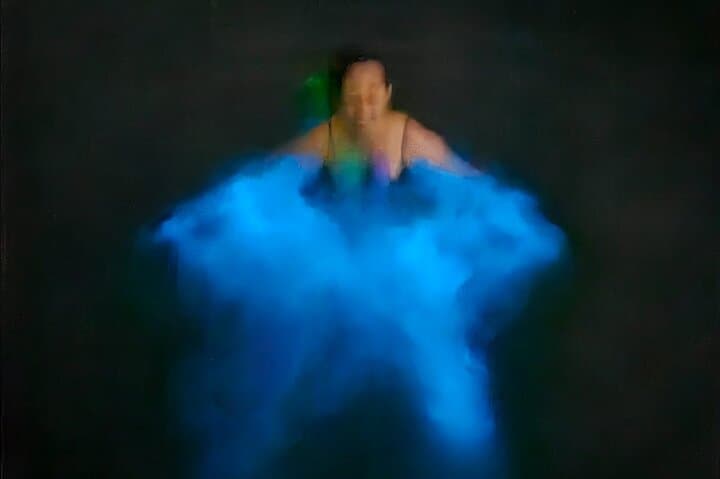
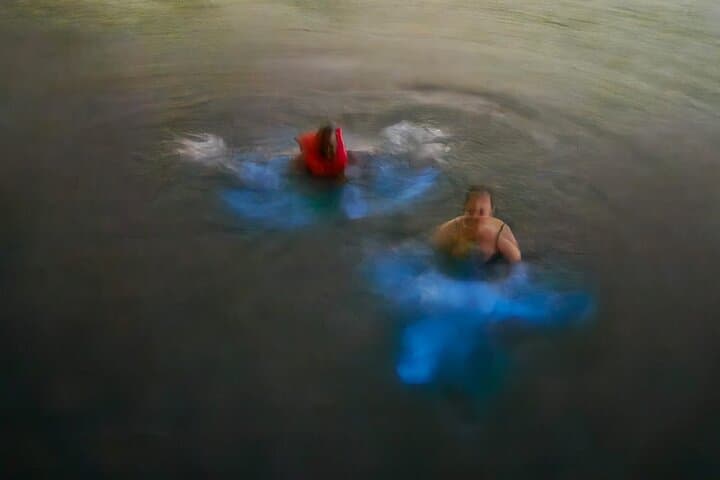
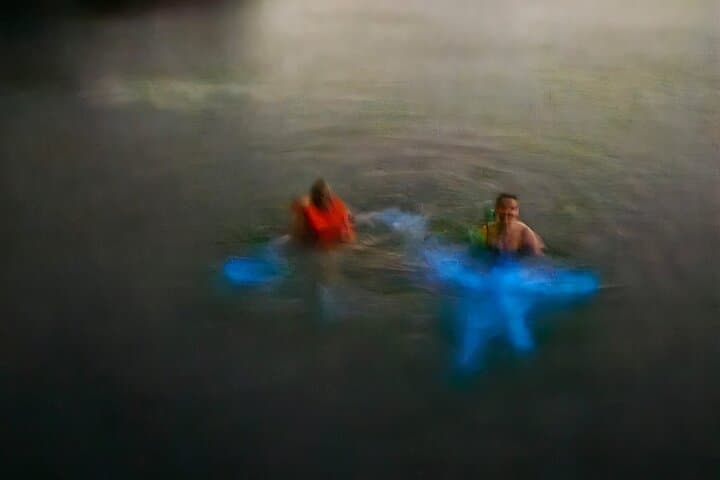
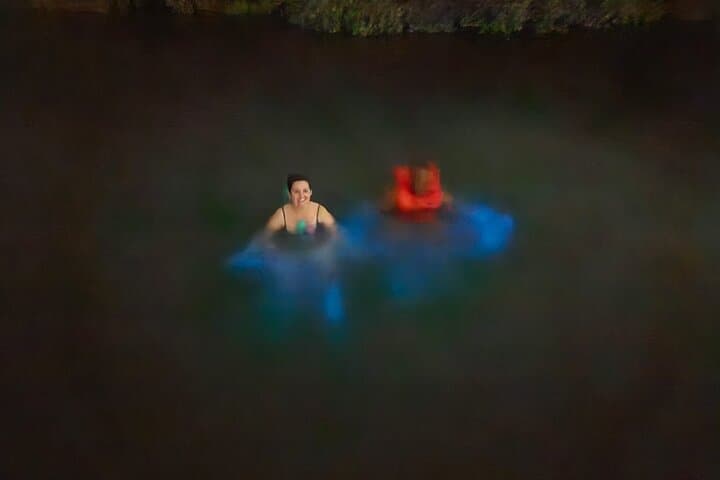
The sky has folded into a thick navy curtain by the time the jetty lights blink off and the boat slips away from Buccoo. Salt air sharpens; mangrove roots scrape the hull as the captain eases the craft into a narrow channel. Ahead, black water holds its breath. Then, as paddles or oars disturb the surface, blue-green sparks explode like a scatter of small stars—plankton answering motion with light.
The sky has folded into a thick navy curtain by the time the jetty lights blink off and the boat slips away from Buccoo. Salt air sharpens; mangrove roots scrape the hull as the captain eases the craft into a narrow channel. Ahead, black water holds its breath. Then, as paddles or oars disturb the surface, blue-green sparks explode like a scatter of small stars—plankton answering motion with light.
Bioluminescence around Tobago is a nocturnal phenomenon driven by single-celled dinoflagellates that light up when disturbed. The most famous local spot is the shallow mangrove inlet near Buccoo, where currents, seabed nutrients and warm tropical waters create the conditions for blooms. Buccoo itself sits on the leeward side of Tobago’s southwest coast; the reef and mangrove system here have guided fishermen and voyagers long before tourism amplified the glow.
Geology in the area is quieter than the spectacle: low-lying coral reef flats give way to sandy shallows and fringe mangroves whose roots act like natural traps for organic runoff. Those trapped nutrients feed the plankton that, in dark moonless nights, make the water appear lit from within. Culturally, the glow has been folded into local storytelling—fishermen and boatmen know when tides, moon phase and weather will produce the best displays.
Practical guidance: tours run about three hours so expect a 6:30–9:30 p.m. window. Wear quick-dry clothing and bring a light waterproof layer; humidity and spray are constant companions. Avoid white clothing—the reflections reduce contrast—and leave bright lights in the boat; guides use red lights for safety and to preserve night vision. Cameras with long exposures reward you, but be realistic: handheld shots will show motion blur; a tripod or steady surface and a remote shutter are ideal.
Safety and sustainability matter. Operators limit group sizes to reduce disturbance; follow the guide’s instructions about entering the water and never touch mangroves or disturb reef structures. Seasickness can flare on the short crossing; take precautions if you’re sensitive.
For photographers, plan around moon phases—new moon nights provide the deepest contrast—and arrive early to watch the shoreline transform. For travelers, combine the night trip with daytime reef snorkels or a visit to Buccoo Village for roadside roti and talk to boatmen about how the sea has shaped neighborhoods. The glow feels like a private conversation with the ocean—its motion answering yours in light—an elemental reminder that beneath our feet the sea is alive and watching.