THE ADVENTURE COLLECTIVE® · Independent discovery and booking for outdoor travel

Spend a day with tuxedoed African penguins, sweeping ocean cliffs, and a dramatic coastal drive. This small-group tour from Cape Town pairs close wildlife encounters with the panoramic high points of the Cape Peninsula.
Spend a day with tuxedoed African penguins, sweeping ocean cliffs, and a dramatic coastal drive. This small-group tour from Cape Town pairs close wildlife encounters with the panoramic high points of the Cape Peninsula.
You step off the minivan and the air changes — salt, kelp, and something briny that feels like the ocean itself exhaling. Waves pound against steep granite; wind shapes the grass on the headland into a single, persistent gesture. On the boardwalk at Boulders Beach, a cluster of African penguins waddles without hurry, their flat-footed gait and sardonic expressions stealing the show as they argue over a sun-warmed rock.
Verified experiences and guided adventures in the surrounding area.
Operated by Shine The Way Tours · Cape Town, Western Cape
You step off the minivan and the air changes — salt, kelp, and something briny that feels like the ocean itself exhaling. Waves pound against steep granite; wind shapes the grass on the headland into a single, persistent gesture. On the boardwalk at Boulders Beach, a cluster of African penguins waddles without hurry, their flat-footed gait and sardonic expressions stealing the show as they argue over a sun-warmed rock.
This full-day, small-group tour threads together some of the Cape Peninsula’s most elemental scenes: the painted houses of Bo-Kaap, Hout Bay’s harbor and seal-strewn Duiker Island, Chapman's Peak’s cliffside ribbon, the intimate colonies at Boulders Beach, and the wind-carved promontory of Cape Point where Atlantic and Indian waters collide in name if not entirely in seam.
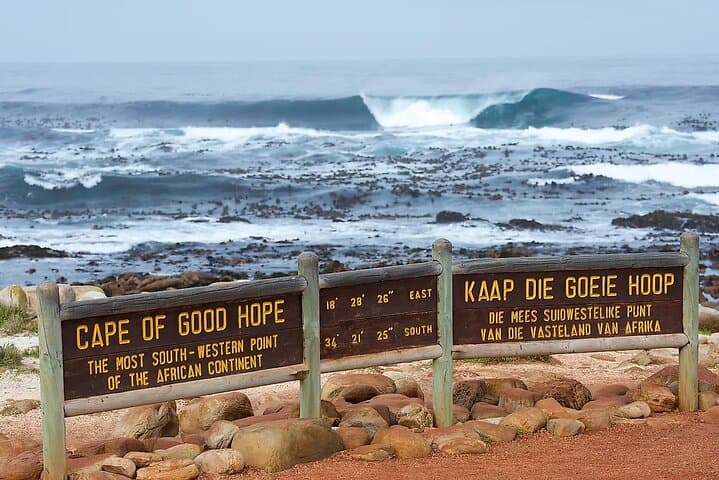
Geology and history are obvious in the cliffs and shorelines. The Cape Fold Belt — sculpted by ancient tectonic collisions — gives the peninsula its dramatic escarpments and sheer drops. Mariners have feared and respected this coastline for centuries; Cape Point and the Cape of Good Hope were waypoints on early global trade routes and later a challenge to clipper ships racing east.
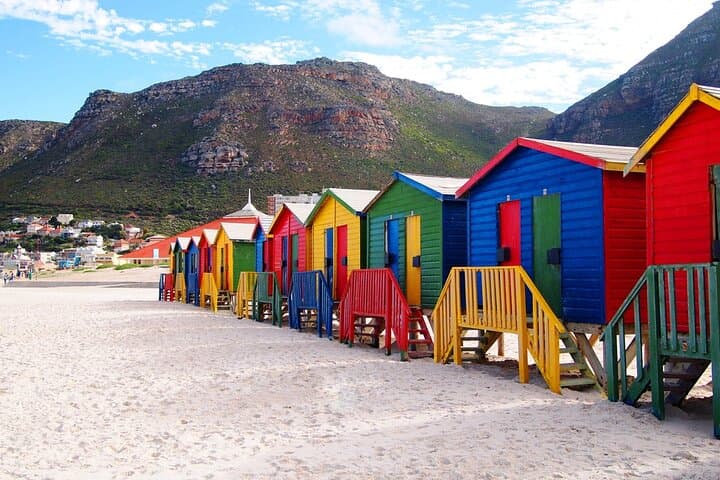
Culture is visible in small details: Bo-Kaap’s colorful houses and Malay-influenced kitchens, Muizenberg’s striped beach huts and surf culture, and Hout Bay’s fishing community where boats ride low in the harbor like waiting birds. Guides on this route translate the natural history into readable, local stories and keep eyes on the ocean for whales, dolphins, and fur seals.
Practical guidance arrives with equal clarity. The tour is physically easy — most walking is on boardwalks, short paths, and scenic overlooks — but it’s a full seven-hour day, often exposed to wind and sun. Bring a windproof layer and sunscreen; the sun can be intense even when the air feels cool. Wear sturdy walking shoes for sandy boardwalks and rocky steps at lookouts.
Timing matters: morning light and late afternoon golden edges highlight the cliffs, while midday offers the best chance to see penguins active on shore. Photography is rewarding but respectful distance matters — boardwalks protect nests and breeding grounds, and guides will point out where to watch without disturbing the birds.
For animal lovers and first-time visitors to the Cape Peninsula, this tour is the most condensed, conversational way to meet the region’s wildlife, its coastal geology, and a few living chapters of Cape Town’s layered history. It’s a day of short hikes, long views, and repeated reminders that the sea here does more than frame the land; it pushes, cools, and keeps the coastline honest.
easy.
7 hours.
Suitable for all fitness levels; requires short walks on boardwalks, sandy paths, and steps at viewpoints.
The tour runs about seven hours from pickup to drop-off and includes multiple stopovers along the Cape Peninsula.
Yes — Boulders Beach has boardwalks that bring you close to the African penguin colony while protecting nests and habitat.
Yes — hotel pickup and drop-off in Cape Town are included; confirm your pickup point when booking.
Entrance to certain reserves like Chapman's Peak and Cape Point are covered as noted in the tour inclusions, but check the booking page for specifics.
The tour is family-friendly; infants must sit on an adult’s lap and the operator notes the route is suitable for all fitness levels.
Guides commonly point out Cape fur seals, dolphins, and seasonal whales; terrestrial sightings can include dassies (rock hyrax) and many seabirds.
Cape Point and the Cape of Good Hope have been key navigation points since early global sailing routes; the nearby Bo-Kaap reflects centuries of Cape Malay cultural heritage.
African penguin populations are vulnerable; visitors must stay on designated paths and obey signage to protect breeding sites. Local reserves manage visitation to balance tourism and habitat protection.
Shine The Way Tours operates guided outdoor trips and adventures with an emphasis on safety, stewardship, and memorable experiences.
You step off the minivan and the air changes — salt, kelp, and something briny that feels like the ocean itself exhaling. Waves pound against steep granite; wind shapes the grass on the headland into a single, persistent gesture. On the boardwalk at Boulders Beach, a cluster of African penguins waddles without hurry, their flat-footed gait and sardonic expressions stealing the show as they argue over a sun-warmed rock.
You step off the minivan and the air changes — salt, kelp, and something briny that feels like the ocean itself exhaling. Waves pound against steep granite; wind shapes the grass on the headland into a single, persistent gesture. On the boardwalk at Boulders Beach, a cluster of African penguins waddles without hurry, their flat-footed gait and sardonic expressions stealing the show as they argue over a sun-warmed rock.
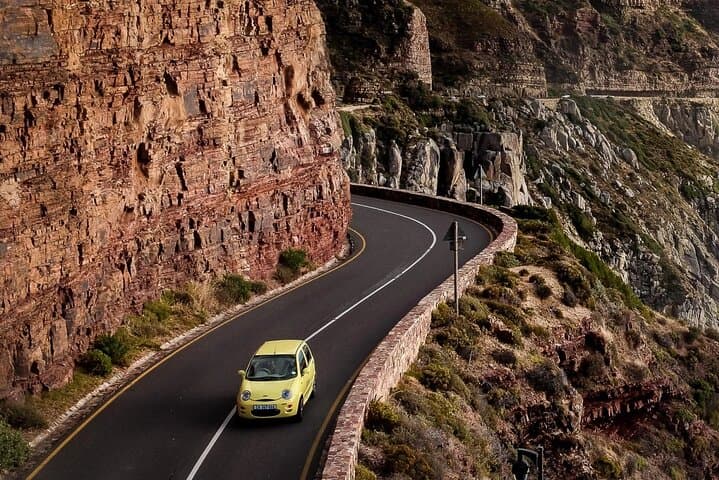
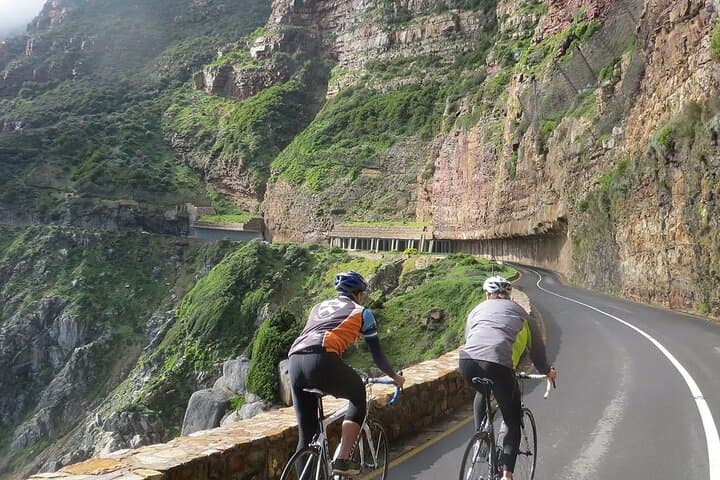
This full-day, small-group tour threads together some of the Cape Peninsula’s most elemental scenes: the painted houses of Bo-Kaap, Hout Bay’s harbor and seal-strewn Duiker Island, Chapman's Peak’s cliffside ribbon, the intimate colonies at Boulders Beach, and the wind-carved promontory of Cape Point where Atlantic and Indian waters collide in name if not entirely in seam.
Geology and history are obvious in the cliffs and shorelines. The Cape Fold Belt — sculpted by ancient tectonic collisions — gives the peninsula its dramatic escarpments and sheer drops. Mariners have feared and respected this coastline for centuries; Cape Point and the Cape of Good Hope were waypoints on early global trade routes and later a challenge to clipper ships racing east.
Culture is visible in small details: Bo-Kaap’s colorful houses and Malay-influenced kitchens, Muizenberg’s striped beach huts and surf culture, and Hout Bay’s fishing community where boats ride low in the harbor like waiting birds. Guides on this route translate the natural history into readable, local stories and keep eyes on the ocean for whales, dolphins, and fur seals.
Practical guidance arrives with equal clarity. The tour is physically easy — most walking is on boardwalks, short paths, and scenic overlooks — but it’s a full seven-hour day, often exposed to wind and sun. Bring a windproof layer and sunscreen; the sun can be intense even when the air feels cool. Wear sturdy walking shoes for sandy boardwalks and rocky steps at lookouts.
Timing matters: morning light and late afternoon golden edges highlight the cliffs, while midday offers the best chance to see penguins active on shore. Photography is rewarding but respectful distance matters — boardwalks protect nests and breeding grounds, and guides will point out where to watch without disturbing the birds.
For animal lovers and first-time visitors to the Cape Peninsula, this tour is the most condensed, conversational way to meet the region’s wildlife, its coastal geology, and a few living chapters of Cape Town’s layered history. It’s a day of short hikes, long views, and repeated reminders that the sea here does more than frame the land; it pushes, cools, and keeps the coastline honest.