THE ADVENTURE COLLECTIVE® · Independent discovery and booking for outdoor travel

A fast rib-boat run from Cala Figuera to the boat-only beach of Es Marmols offers swimming, snorkeling, and close views of sea arches like Es Pontás. Small-group, ~2h50m trip with a professional skipper.
A fast rib-boat run from Cala Figuera to the boat-only beach of Es Marmols offers swimming, snorkeling, and close views of sea arches like Es Pontás. Small-group, ~2h50m trip with a professional skipper.
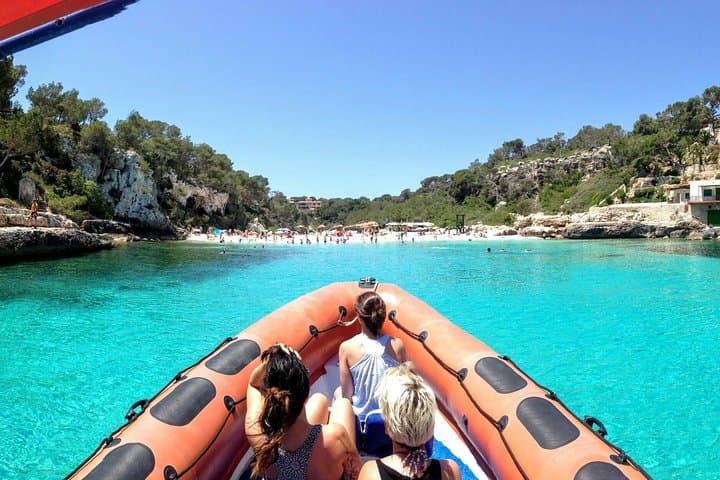
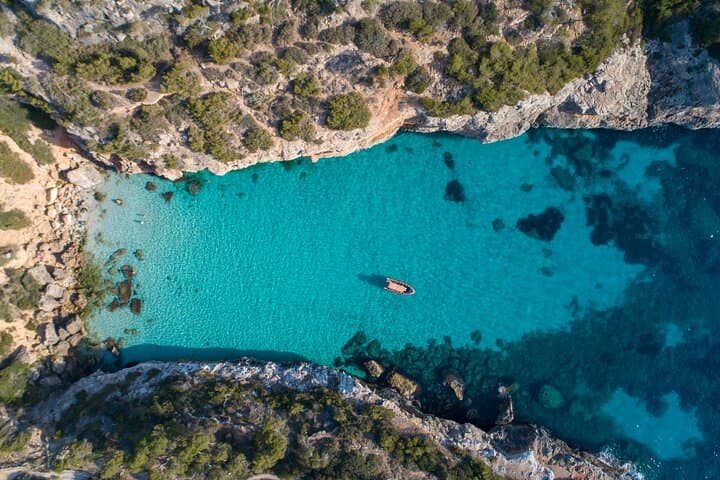
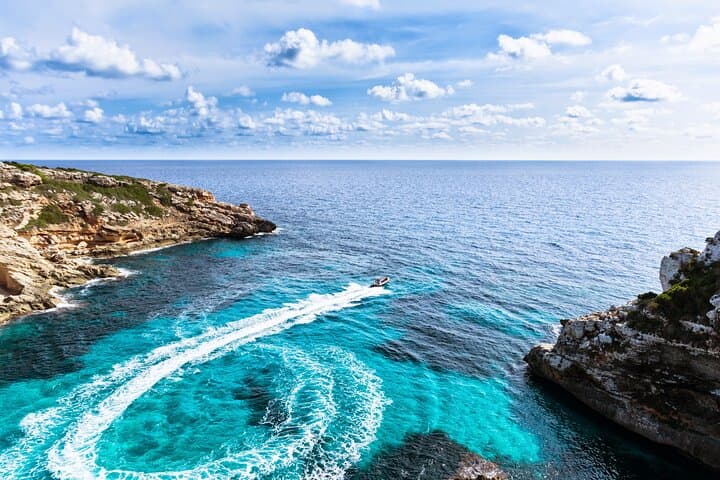
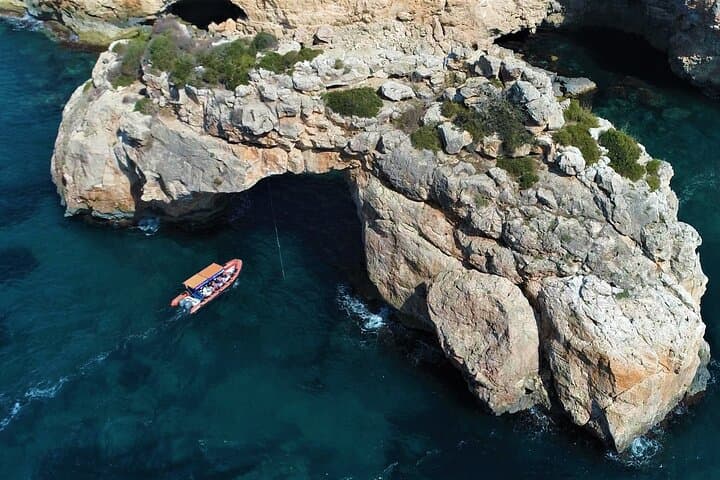
The bow cuts into a blue that refuses to be ordinary. Wind lifts salt off the water and the cliffs of Mallorca’s southeast coast lean forward as if to watch. Guests cluster at the rail of a rigid-inflatable boat in Cala Figuera, helmets of sun and expectation on their heads, while the skipper eases the engine into a steady hum. In little under three hours the group will thread coves and arches — Es Pontás looming like a weathered gate — and drop anchor at Es Marmols, a beach so sheltered the water arrives glassy and astonishingly clear.
Verified experiences and guided adventures in the surrounding area.
Operated by Redstar Tours · Cala Figuera, Balearic Islands
The bow cuts into a blue that refuses to be ordinary. Wind lifts salt off the water and the cliffs of Mallorca’s southeast coast lean forward as if to watch. Guests cluster at the rail of a rigid-inflatable boat in Cala Figuera, helmets of sun and expectation on their heads, while the skipper eases the engine into a steady hum. In little under three hours the group will thread coves and arches — Es Pontás looming like a weathered gate — and drop anchor at Es Marmols, a beach so sheltered the water arrives glassy and astonishingly clear.
This stretch of coastline reads like a geological chapter: uplifted limestone cliffs scored by the Mediterranean’s slow, insistently patient work. Es Pontás, the natural arch visible on the route, is the skeletal remnant of a collapsed cave, a marker of the same processes that boxed in the hidden bowl of Cala Màrmols. For centuries locals from Santanyí and Cala Figuera have relied on these waters — fishing, ferrying, and, more recently, guiding visitors to pockets of coast that road traffic can’t reach. The small harbours retain a working, unshowy maritime culture; mornings still begin with nets and the smell of diesel mingled with baked bread.
The experience is straightforward: a small-group rib run with a professional skipper, sightseeing along Cala Llombards and other coves, and a roughly 30–45 minute swim stop at Cala Màrmols for snorkeling and sun. Snorkeling gear is supplied, but the real luxury is the silence once the engines cut. Currents dare you a little, moving soft ridges of underwater light across the sand while shoals of little Mediterranean fish flick like punctuation.
Practical edge: the tour lasts about 2 hours 50 minutes, departs from Cala Figuera and requires arriving 20 minutes early. Pack a swimsuit, towel, reef shoes for rocky shores, biodegradable sunscreen, and a dry change of clothes for the return. The skipper is responsible for safety and weather can cancel departures without notice — common sense means checking forecasts and booking early in high season.
For photographers, midday light reveals water clarity but late afternoon softens cliffs into warm tones. For quieter mornings, aim for an early slot to find fewer boats in the anchorages. Respect marine life: avoid touching corals or feeding fish and follow skipper directions about anchoring and landing. The reward is plain and uncompromised — a wild, boat-only beach, water that invites you without hesitation, and a coastline that still feels like it prefers the sea’s company over the road’s.
easy.
2–3 hours.
Suitable for most fitness levels; you should be able to board a small boat and swim in open water.
Meet at the Redstartours office in Cala Figuera; be there 20 minutes before the scheduled departure.
Yes — snorkeling equipment is included, but you may bring your own mask and snorkel if preferred.
Children are welcome but must be accompanied by an adult; infants should sit on an adult's lap.
The skipper can cancel for safety; if the tour is canceled you will be offered an alternative date or a full refund.
Cala Màrmols is reachable only by boat or via a long hike over rugged terrain; the boat is the easiest way to visit.
Most small ribs don’t have toilets; plan accordingly and use facilities in Cala Figuera before boarding.
The harbours and coves around Santanyí were historically small fishing outports; local families still fish and run boat services passed down through generations.
Operators are encouraged to use approved anchoring and avoid sensitive Posidonia beds; visitors should pack out waste and use reef-safe sunscreen.
Redstar Tours operates guided outdoor trips and adventures with an emphasis on safety, stewardship, and memorable experiences.
The bow cuts into a blue that refuses to be ordinary. Wind lifts salt off the water and the cliffs of Mallorca’s southeast coast lean forward as if to watch. Guests cluster at the rail of a rigid-inflatable boat in Cala Figuera, helmets of sun and expectation on their heads, while the skipper eases the engine into a steady hum. In little under three hours the group will thread coves and arches — Es Pontás looming like a weathered gate — and drop anchor at Es Marmols, a beach so sheltered the water arrives glassy and astonishingly clear.
The bow cuts into a blue that refuses to be ordinary. Wind lifts salt off the water and the cliffs of Mallorca’s southeast coast lean forward as if to watch. Guests cluster at the rail of a rigid-inflatable boat in Cala Figuera, helmets of sun and expectation on their heads, while the skipper eases the engine into a steady hum. In little under three hours the group will thread coves and arches — Es Pontás looming like a weathered gate — and drop anchor at Es Marmols, a beach so sheltered the water arrives glassy and astonishingly clear.
This stretch of coastline reads like a geological chapter: uplifted limestone cliffs scored by the Mediterranean’s slow, insistently patient work. Es Pontás, the natural arch visible on the route, is the skeletal remnant of a collapsed cave, a marker of the same processes that boxed in the hidden bowl of Cala Màrmols. For centuries locals from Santanyí and Cala Figuera have relied on these waters — fishing, ferrying, and, more recently, guiding visitors to pockets of coast that road traffic can’t reach. The small harbours retain a working, unshowy maritime culture; mornings still begin with nets and the smell of diesel mingled with baked bread.
The experience is straightforward: a small-group rib run with a professional skipper, sightseeing along Cala Llombards and other coves, and a roughly 30–45 minute swim stop at Cala Màrmols for snorkeling and sun. Snorkeling gear is supplied, but the real luxury is the silence once the engines cut. Currents dare you a little, moving soft ridges of underwater light across the sand while shoals of little Mediterranean fish flick like punctuation.
Practical edge: the tour lasts about 2 hours 50 minutes, departs from Cala Figuera and requires arriving 20 minutes early. Pack a swimsuit, towel, reef shoes for rocky shores, biodegradable sunscreen, and a dry change of clothes for the return. The skipper is responsible for safety and weather can cancel departures without notice — common sense means checking forecasts and booking early in high season.
For photographers, midday light reveals water clarity but late afternoon softens cliffs into warm tones. For quieter mornings, aim for an early slot to find fewer boats in the anchorages. Respect marine life: avoid touching corals or feeding fish and follow skipper directions about anchoring and landing. The reward is plain and uncompromised — a wild, boat-only beach, water that invites you without hesitation, and a coastline that still feels like it prefers the sea’s company over the road’s.