THE ADVENTURE COLLECTIVE® · Independent discovery and booking for outdoor travel

Float the warm run of Blue Spring State Park and watch manatees, wading birds, and lazy alligators move through a protected No Wake Zone. This two-hour kayak rental is simple to book and rich in wildlife, ideal for photographers, birders, and first-time paddlers.
Float the warm run of Blue Spring State Park and watch manatees, wading birds, and lazy alligators move through a protected No Wake Zone. This two-hour kayak rental is simple to book and rich in wildlife, ideal for photographers, birders, and first-time paddlers.
You push off from a small, sandy beach and the river accepts you with the calm, measured pull of the St. Johns. The run from Blue Spring State Park is glassy most mornings; fingers of sunlight slip under the cypress canopy and the current, slow and deliberate, nudges the kayak upriver. This is not a race — the water asks you to slow, look, and let wildlife decide whether it shows itself.
Verified experiences and guided adventures in the surrounding area.
Operated by Guest Services Inc · Orange City, Florida
You push off from a small, sandy beach and the river accepts you with the calm, measured pull of the St. Johns. The run from Blue Spring State Park is glassy most mornings; fingers of sunlight slip under the cypress canopy and the current, slow and deliberate, nudges the kayak upriver. This is not a race — the water asks you to slow, look, and let wildlife decide whether it shows itself.
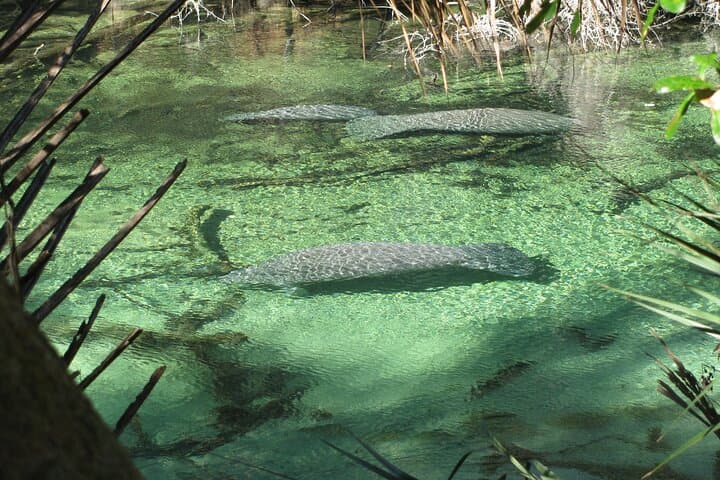
The spring run here is part of a federally designated manatee refuge. In cold snaps, hundreds of manatees find shelter in the warm spring water; at other times expect solo visitors loafing like blunt, curious logs near the spring boil. Wading birds quarter the shallows, and the occasional alligator bobs along the overgrown banks with a patience that feels practiced.
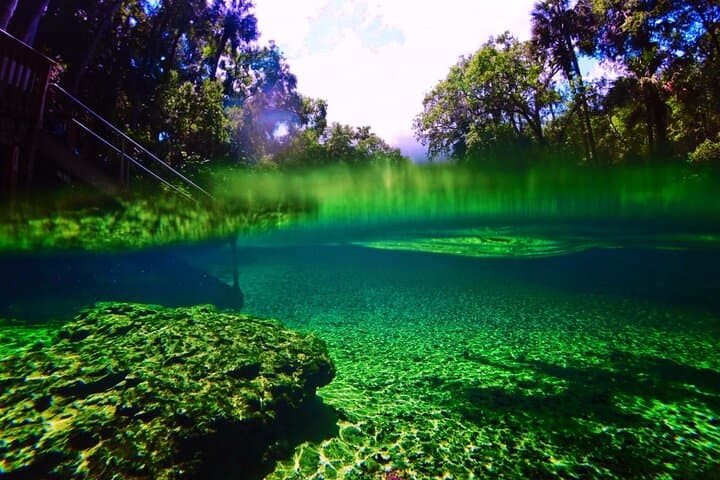
Geologically, Blue Spring is born from an underground limestone aquifer that forces 50 million gallons a day to the surface in a single boil; that constant warmth shapes the run and sustains the winter manatee congregation. Culturally, this stretch of the St. Johns ties modern paddlers to the river’s long human history — from Timucua use of the waterway to steamboat traffic in the 19th century. Today the park balances public access with strict protections: a No Wake Zone preserves the shoreline and gives wildlife room to move.
Practicalities are straightforward. Rentals are two hours and ideal for birders, photographers, and families. Expect to cover roughly 3–5 miles depending on your pace and how often you stop for wildlife; there’s essentially zero elevation gain and the waterway is flat. Launching happens from a beach — your feet will get wet, so wear water-friendly shoes. Life jackets, paddles, a whistle and a map come with the rental. Park entrance ($6 per car) is paid separately, and you’ll need a photo ID to book.
Timing matters: early morning means glassy water and better wildlife viewing; midday brings heat and more people. Cold-season trips increase your odds of seeing manatees; summer paddles expose you to afternoon thunderstorms and dense insect life. Keep at least 50 feet from manatees, don’t feed wildlife, and respect posted closures: those rules protect the animals and preserve access for everyone.
For a short window on clear water, you can be the quiet observer on a veteran river route. The kayak rental at Blue Spring is uncomplicated, immediate, and richly rewarding — ideal for anyone who wants to trade pavement for paddling without a technical learning curve.
easy.
2 hours.
Suitable for most fitness levels; basic paddling endurance for 3–5 miles is helpful
No — the rental is suitable for beginners; staff provide basic orientation and life jackets are included.
Yes, Blue Spring State Park charges $6 per vehicle, payable at the park separate from the rental.
Manatees concentrate at the spring during cold weather (late fall through early spring), though sightings occur year-round.
Children may join but must follow park and operator rules; life jackets for kids are provided—check booking age requirements.
Alligators are present; observe from a distance, never feed wildlife, and keep paddles and hands inside the kayak near banks.
Full refunds are available for cancellations at least 24 hours before departure; trips may be canceled for bad weather.
Blue Spring sits above a limestone spring tied to the Floridan aquifer; the park has been protected as a manatee refuge and state park for decades.
The No Wake Zone and manatee-distance rules limit shoreline erosion and stress on wildlife—pack out trash and use reef-safe sunscreen.
Guest Services Inc operates guided outdoor trips and adventures with an emphasis on safety, stewardship, and memorable experiences.
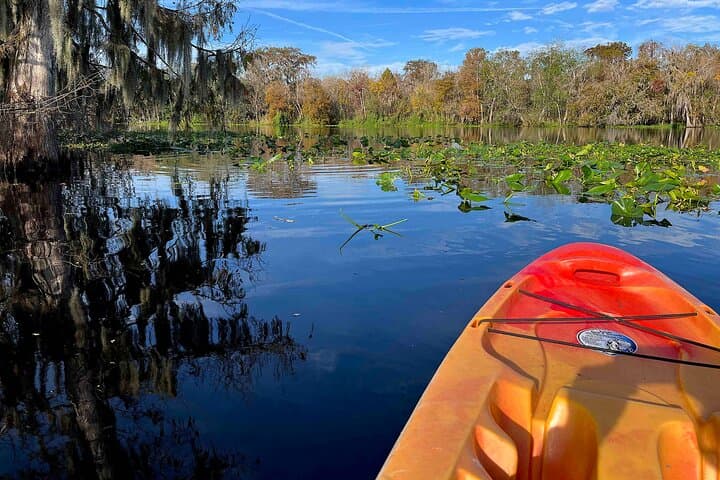
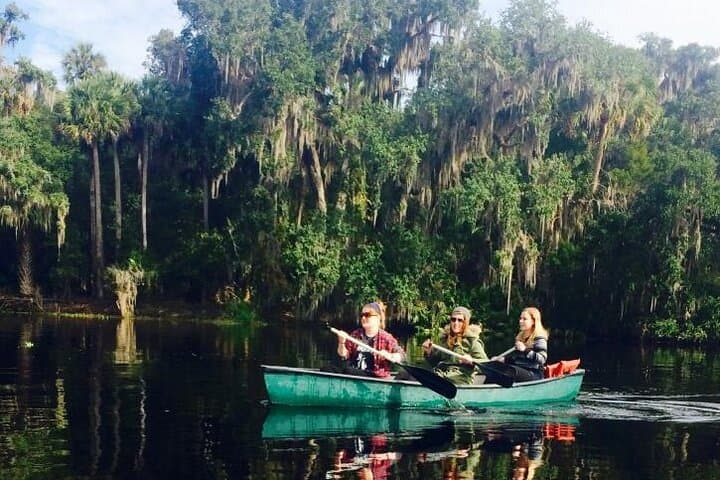
You push off from a small, sandy beach and the river accepts you with the calm, measured pull of the St. Johns. The run from Blue Spring State Park is glassy most mornings; fingers of sunlight slip under the cypress canopy and the current, slow and deliberate, nudges the kayak upriver. This is not a race — the water asks you to slow, look, and let wildlife decide whether it shows itself.
You push off from a small, sandy beach and the river accepts you with the calm, measured pull of the St. Johns. The run from Blue Spring State Park is glassy most mornings; fingers of sunlight slip under the cypress canopy and the current, slow and deliberate, nudges the kayak upriver. This is not a race — the water asks you to slow, look, and let wildlife decide whether it shows itself.
The spring run here is part of a federally designated manatee refuge. In cold snaps, hundreds of manatees find shelter in the warm spring water; at other times expect solo visitors loafing like blunt, curious logs near the spring boil. Wading birds quarter the shallows, and the occasional alligator bobs along the overgrown banks with a patience that feels practiced.
Geologically, Blue Spring is born from an underground limestone aquifer that forces 50 million gallons a day to the surface in a single boil; that constant warmth shapes the run and sustains the winter manatee congregation. Culturally, this stretch of the St. Johns ties modern paddlers to the river’s long human history — from Timucua use of the waterway to steamboat traffic in the 19th century. Today the park balances public access with strict protections: a No Wake Zone preserves the shoreline and gives wildlife room to move.
Practicalities are straightforward. Rentals are two hours and ideal for birders, photographers, and families. Expect to cover roughly 3–5 miles depending on your pace and how often you stop for wildlife; there’s essentially zero elevation gain and the waterway is flat. Launching happens from a beach — your feet will get wet, so wear water-friendly shoes. Life jackets, paddles, a whistle and a map come with the rental. Park entrance ($6 per car) is paid separately, and you’ll need a photo ID to book.
Timing matters: early morning means glassy water and better wildlife viewing; midday brings heat and more people. Cold-season trips increase your odds of seeing manatees; summer paddles expose you to afternoon thunderstorms and dense insect life. Keep at least 50 feet from manatees, don’t feed wildlife, and respect posted closures: those rules protect the animals and preserve access for everyone.
For a short window on clear water, you can be the quiet observer on a veteran river route. The kayak rental at Blue Spring is uncomplicated, immediate, and richly rewarding — ideal for anyone who wants to trade pavement for paddling without a technical learning curve.