THE ADVENTURE COLLECTIVE® · Independent discovery and booking for outdoor travel

Drive through the Rif Mountains and arrive in a town painted blue—Chefchaouen’s medina is compact, cinematic and best explored on a private day trip from Tangier. This full-day tour gives you time, local context and a guide to navigate narrow alleys, rooftop views and artisan workshops.
Drive through the Rif Mountains and arrive in a town painted blue—Chefchaouen’s medina is compact, cinematic and best explored on a private day trip from Tangier. This full-day tour gives you time, local context and a guide to navigate narrow alleys, rooftop views and artisan workshops.
The road from Tangier climbs into the Rif Mountains with a steady, cinematic patience—olive groves give way to scrub and then a sudden spill of cobalt as the medina of Chefchaouen appears in the valley below. You pull into a narrow lane and the city’s blue façades seem designed to slow you down: shutters, doorframes and stairways painted in gradations of turquoise and ultramarine that make the light feel different here.
Verified experiences and guided adventures in the surrounding area.
Operated by Tour Travel & More · Chefchaouen, Tanger-Tetouan-Al Hoceima
The road from Tangier climbs into the Rif Mountains with a steady, cinematic patience—olive groves give way to scrub and then a sudden spill of cobalt as the medina of Chefchaouen appears in the valley below. You pull into a narrow lane and the city’s blue façades seem designed to slow you down: shutters, doorframes and stairways painted in gradations of turquoise and ultramarine that make the light feel different here.
The town’s color is the first thing visitors mention; the second is how small it is. Founded in 1471 as a mountain stronghold by refugees fleeing the Reconquista, Chefchaouen has always lived between borders—Spanish influences, Berber culture and Islamic architecture layered into compact streets. The medina’s compact alleys curve and rise around a central kasbah, a fortress that still marks the orientation of the town. Beneath the paint are buildings of local stone and plaster, and the Rif’s limestone geology gives the surrounding ridges their pale, sculpted look.
A private tour from Tangier gives you the context: your driver navigates the two-hour road while a local guide primes you with history and practical routes through the medina. You’ll spend hours letting the town dictate the pace—browsing artisan shops, sipping mint tea in Place Outa el Hammam, and ducking into a small hammam or rooftop café for a view over the colored roofs. For those who want nature, the Rif’s crests are within sight; the cascades d’Akchour sit further east and are often mentioned as a possible follow-up day.
Practical details are often the difference between a crowded, rushed visit and a private, methodical one. This private full-day includes hotel or port pickup in Tangier and a dedicated guide and vehicle for eight hours, which means you control timing—linger at a textile stall, visit a local workshop, or sit quietly on a set of blue steps. Expect cobblestones, uneven steps and frequent short climbs through the medina; comfortable shoes and respectful clothing are essential. Cash is king in small shops; ATMs exist but can be unreliable in remote lanes.
Timing matters: mornings and late afternoons give the best light for photography and cooler walking. If you want the hammam experience or a rooftop spa session, budget an hour or two—many are walk-in but better when booked through your guide.
A private tour strips out friction: it supplies the logistics so you can focus on reading the blue paint like a map—old neighborhoods, family-run workshops and the subtle rhythms of daily Moroccan mountain life.
easy.
8 hours.
Suitable for travelers in normal physical condition; expect several hours of walking on uneven cobbles and short stair climbs.
Yes—this private tour includes hotel or port pickup and drop-off in Tangier; confirm your pickup point at least 24 hours before departure.
The drive is roughly 2–2.5 hours each way (about 110–120 km) depending on traffic and road conditions in the Rif Mountains.
Yes, the tour is family-friendly; infant seats are available and the guide can adapt stops, but expect narrow alleys and steps that can be challenging with strollers.
Standard inclusions cover transportation and the guide; entrance fees, meals and optional spa treatments are typically paid on-site unless otherwise specified.
Guides commonly speak English and French; request Spanish or other languages when booking to confirm availability.
For a full refund cancel at least 24 hours before departure; cancellations within 24 hours are non-refundable.
Chefchaouen was founded in 1471 by refugees from Andalusia and has since blended Berber, Spanish and Moroccan influences into a compact mountain town.
Water is scarce in the Rif; support local businesses and avoid single-use plastics—many shops will refill water and use minimal packaging.
Tour Travel & More operates guided outdoor trips and adventures with an emphasis on safety, stewardship, and memorable experiences.
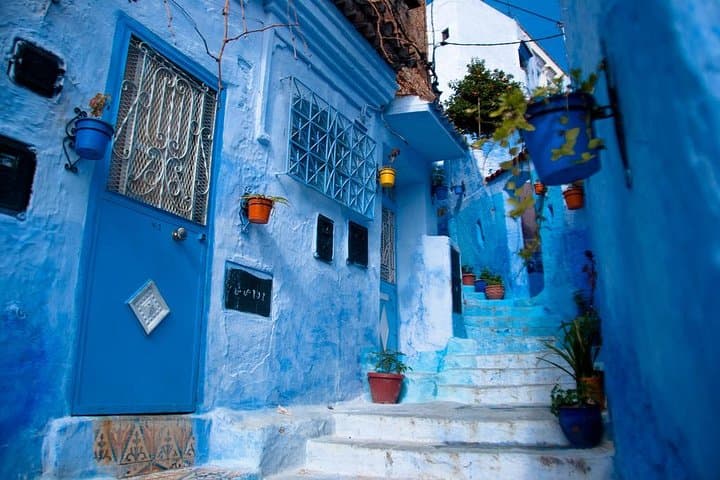
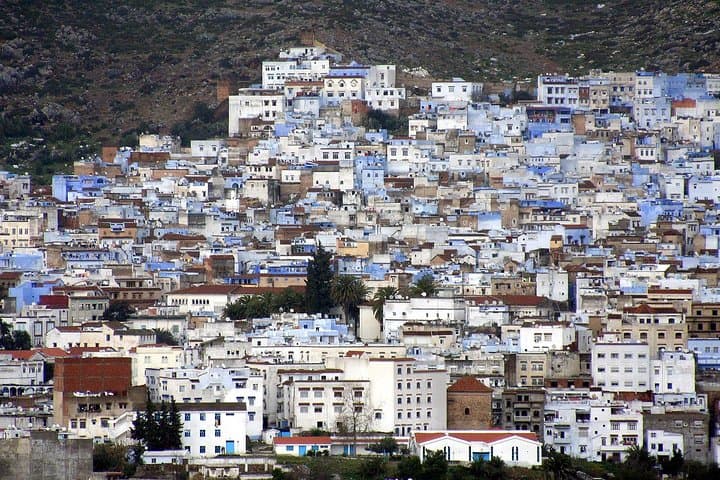
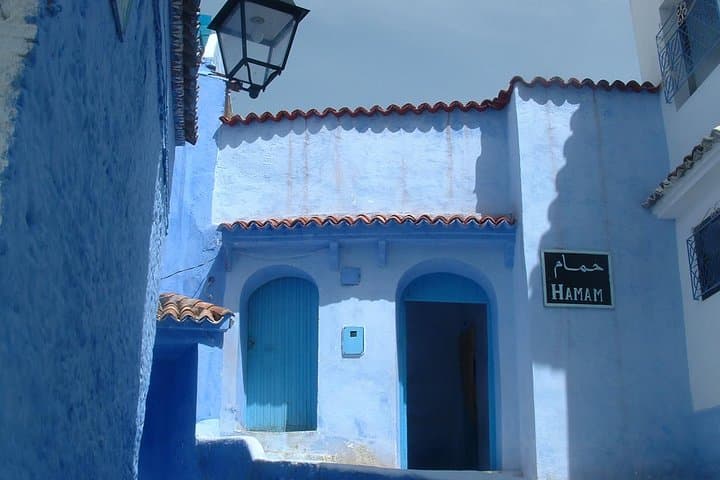
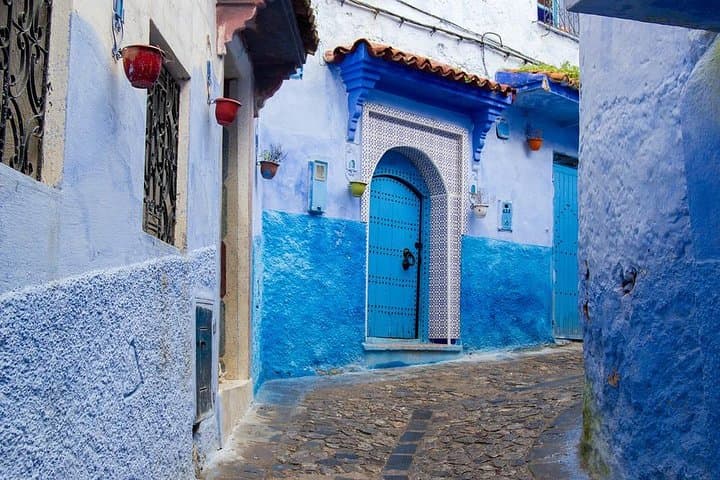
The road from Tangier climbs into the Rif Mountains with a steady, cinematic patience—olive groves give way to scrub and then a sudden spill of cobalt as the medina of Chefchaouen appears in the valley below. You pull into a narrow lane and the city’s blue façades seem designed to slow you down: shutters, doorframes and stairways painted in gradations of turquoise and ultramarine that make the light feel different here.
The road from Tangier climbs into the Rif Mountains with a steady, cinematic patience—olive groves give way to scrub and then a sudden spill of cobalt as the medina of Chefchaouen appears in the valley below. You pull into a narrow lane and the city’s blue façades seem designed to slow you down: shutters, doorframes and stairways painted in gradations of turquoise and ultramarine that make the light feel different here.
The town’s color is the first thing visitors mention; the second is how small it is. Founded in 1471 as a mountain stronghold by refugees fleeing the Reconquista, Chefchaouen has always lived between borders—Spanish influences, Berber culture and Islamic architecture layered into compact streets. The medina’s compact alleys curve and rise around a central kasbah, a fortress that still marks the orientation of the town. Beneath the paint are buildings of local stone and plaster, and the Rif’s limestone geology gives the surrounding ridges their pale, sculpted look.
A private tour from Tangier gives you the context: your driver navigates the two-hour road while a local guide primes you with history and practical routes through the medina. You’ll spend hours letting the town dictate the pace—browsing artisan shops, sipping mint tea in Place Outa el Hammam, and ducking into a small hammam or rooftop café for a view over the colored roofs. For those who want nature, the Rif’s crests are within sight; the cascades d’Akchour sit further east and are often mentioned as a possible follow-up day.
Practical details are often the difference between a crowded, rushed visit and a private, methodical one. This private full-day includes hotel or port pickup in Tangier and a dedicated guide and vehicle for eight hours, which means you control timing—linger at a textile stall, visit a local workshop, or sit quietly on a set of blue steps. Expect cobblestones, uneven steps and frequent short climbs through the medina; comfortable shoes and respectful clothing are essential. Cash is king in small shops; ATMs exist but can be unreliable in remote lanes.
Timing matters: mornings and late afternoons give the best light for photography and cooler walking. If you want the hammam experience or a rooftop spa session, budget an hour or two—many are walk-in but better when booked through your guide.
A private tour strips out friction: it supplies the logistics so you can focus on reading the blue paint like a map—old neighborhoods, family-run workshops and the subtle rhythms of daily Moroccan mountain life.