THE ADVENTURE COLLECTIVE® · Independent discovery and booking for outdoor travel

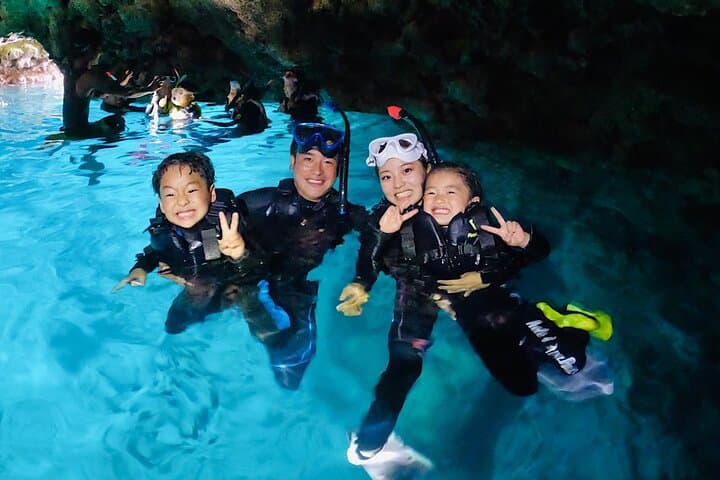
Float into an iridescent chamber where sunlight and surf conspire to paint the water a vivid blue. This private introductory snorkeling tour from Maeda Misaki offers safe instruction, GoPro photos, and a family-friendly way to experience Okinawa’s famed Blue Cave.
Float into an iridescent chamber where sunlight and surf conspire to paint the water a vivid blue. This private introductory snorkeling tour from Maeda Misaki offers safe instruction, GoPro photos, and a family-friendly way to experience Okinawa’s famed Blue Cave.
You step off the stone parking lot at Maeda Misaki with the Atlantic-blue of the East China Sea opening to your left and the continental shelf dropping away like a hidden stage. Guides check masks and fins under a bright Okinawan sky; the ocean ahead hums and, when the swell eases, a slit in the reef promises an otherworldly glow—this is the Blue Cave.
Verified experiences and guided adventures in the surrounding area.
You step off the stone parking lot at Maeda Misaki with the Atlantic-blue of the East China Sea opening to your left and the continental shelf dropping away like a hidden stage. Guides check masks and fins under a bright Okinawan sky; the ocean ahead hums and, when the swell eases, a slit in the reef promises an otherworldly glow—this is the Blue Cave.
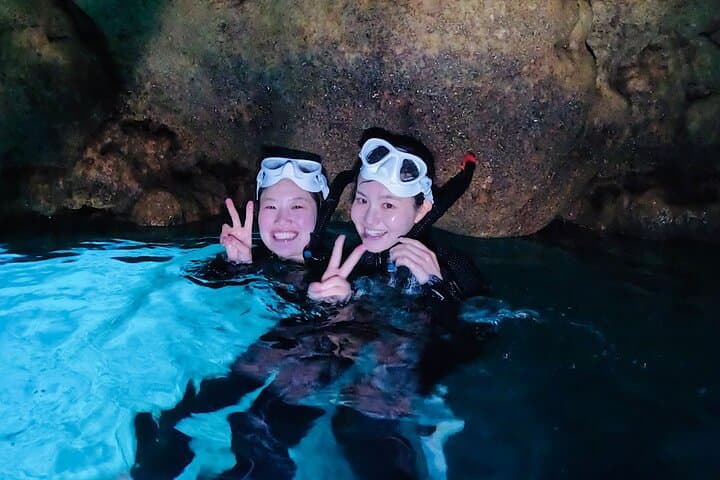
The light that gives the cave its name is pure physics: sunlight refracting through the surf and scattering in the water, turning the interior into a luminous blue chamber. The limestone headlands around Cape Maeda were carved by wind and waves across millennia; below, the reef grows on fossilized terraces. Locals have fished these waters for generations; the cave emerged as a tourist draw only after diving trips began exploring it in the late 20th century.
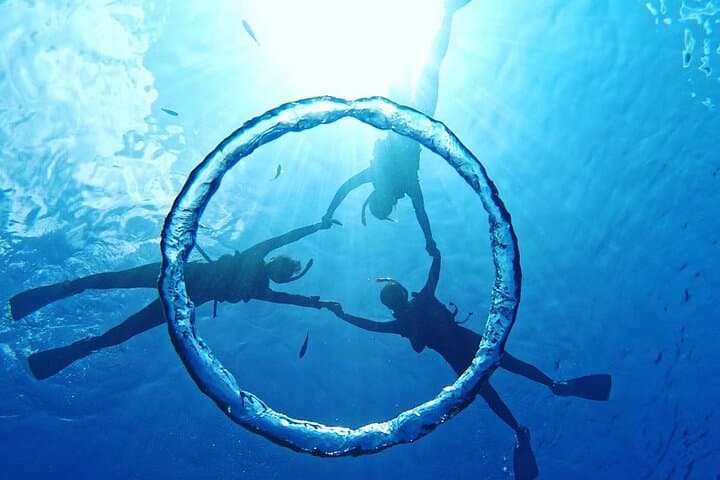
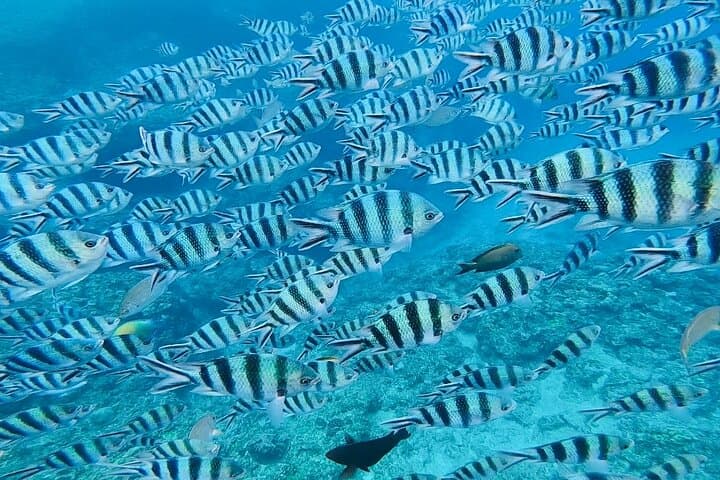
The experience is intimate: small, private groups led by instructors who brief you on breathing, mask clearing, and hand signals before a short swim to the cave mouth. Visibility in good conditions often exceeds 15 meters; water depth near the entrance ranges 2–6 meters, making the cave approachable for beginners. Tropical damselfish and parrotfish skirt the rocks, and, with luck, a green sea turtle glides past like a slow ghost.
Practicality dominates the tour’s rhythm. It runs roughly two hours from meeting to finish, with time allotted for practice in calm shallows. Maeda Misaki's parking lot is the meeting point; if conditions threaten safety, guides will shift the outing to nearby Maeda Beach. The operator provides snorkel gear, wetsuits, GoPro photo service, and liability coverage—bring a towel, reef-safe sunscreen, and a sense of adventure.
Timing is everything: early morning trips dodge the afternoon winds and crowds, producing cleaner water and better light in the cave. Currents can tighten during spring tide; instructors monitor tides and sea state and will cancel if the cave is unsafe—cancellation policy mandates a 24-hour window for full refund.
For families, this tour is intentionally accessible—briefing and practice time mean first-timers gain confidence quickly. Still, there are health restrictions: not recommended for pregnant travelers, those with serious heart or respiratory conditions, or recent ear surgeries. Weight and height details are requested at booking to ensure safe equipment fit.
To get the most from Blue Cave: move slowly, respect the reef, and let the light do the work. Surface, breathe, and watch how the water seems to glow from within—it's a reminder that some of the planet’s most dramatic displays are not mountain peaks but the simple interaction of sun and sea.
easy.
2 hours.
Minimal fitness required—able to swim short distances and tread water; suitable for most adults and older children with supervision
No—this is an introductory tour with practice time and guided assistance; instructors will coach first-timers through breathing and mask clearing.
Families are welcome; age and weight requirements are asked at booking to ensure safe equipment fit—confirm specific limits with the operator.
Guides will move the activity to a nearby suitable beach such as Maeda Beach; note that location changes are not automatically refundable per the operator’s policy.
Yes—snorkel, mask, fins, wetsuit, and life vest are provided; the tour also includes GoPro photos and liability insurance.
Water averages 23–29°C depending on season—summer is warm; in spring and winter a thin wetsuit or vest is recommended for comfort.
Yes—bring a secured waterproof camera or use a wrist strap; the guides may offer mounting tips and the operator provides professional GoPro shots.
The Blue Cave rose to popularity with recreational divers in the late 20th century; the limestone coastline around Cape Maeda has long supported local fishing communities.
Visitors are asked not to touch coral or feed wildlife; use reef-safe sunscreen and follow guide instructions to reduce impact on the fragile reef ecosystem.
You step off the stone parking lot at Maeda Misaki with the Atlantic-blue of the East China Sea opening to your left and the continental shelf dropping away like a hidden stage. Guides check masks and fins under a bright Okinawan sky; the ocean ahead hums and, when the swell eases, a slit in the reef promises an otherworldly glow—this is the Blue Cave.
You step off the stone parking lot at Maeda Misaki with the Atlantic-blue of the East China Sea opening to your left and the continental shelf dropping away like a hidden stage. Guides check masks and fins under a bright Okinawan sky; the ocean ahead hums and, when the swell eases, a slit in the reef promises an otherworldly glow—this is the Blue Cave.
The light that gives the cave its name is pure physics: sunlight refracting through the surf and scattering in the water, turning the interior into a luminous blue chamber. The limestone headlands around Cape Maeda were carved by wind and waves across millennia; below, the reef grows on fossilized terraces. Locals have fished these waters for generations; the cave emerged as a tourist draw only after diving trips began exploring it in the late 20th century.
The experience is intimate: small, private groups led by instructors who brief you on breathing, mask clearing, and hand signals before a short swim to the cave mouth. Visibility in good conditions often exceeds 15 meters; water depth near the entrance ranges 2–6 meters, making the cave approachable for beginners. Tropical damselfish and parrotfish skirt the rocks, and, with luck, a green sea turtle glides past like a slow ghost.
Practicality dominates the tour’s rhythm. It runs roughly two hours from meeting to finish, with time allotted for practice in calm shallows. Maeda Misaki's parking lot is the meeting point; if conditions threaten safety, guides will shift the outing to nearby Maeda Beach. The operator provides snorkel gear, wetsuits, GoPro photo service, and liability coverage—bring a towel, reef-safe sunscreen, and a sense of adventure.
Timing is everything: early morning trips dodge the afternoon winds and crowds, producing cleaner water and better light in the cave. Currents can tighten during spring tide; instructors monitor tides and sea state and will cancel if the cave is unsafe—cancellation policy mandates a 24-hour window for full refund.
For families, this tour is intentionally accessible—briefing and practice time mean first-timers gain confidence quickly. Still, there are health restrictions: not recommended for pregnant travelers, those with serious heart or respiratory conditions, or recent ear surgeries. Weight and height details are requested at booking to ensure safe equipment fit.
To get the most from Blue Cave: move slowly, respect the reef, and let the light do the work. Surface, breathe, and watch how the water seems to glow from within—it's a reminder that some of the planet’s most dramatic displays are not mountain peaks but the simple interaction of sun and sea.