THE ADVENTURE COLLECTIVE® · Independent discovery and booking for outdoor travel

Float at the mouth of an illuminated sea chamber and watch sunlight turn water an impossible blue. This pickup-inclusive snorkel trip from Naha or Chatan makes Cape Maeda’s Blue Cave accessible for beginners and seasoned snorkelers alike.
Float at the mouth of an illuminated sea chamber and watch sunlight turn water an impossible blue. This pickup-inclusive snorkel trip from Naha or Chatan makes Cape Maeda’s Blue Cave accessible for beginners and seasoned snorkelers alike.
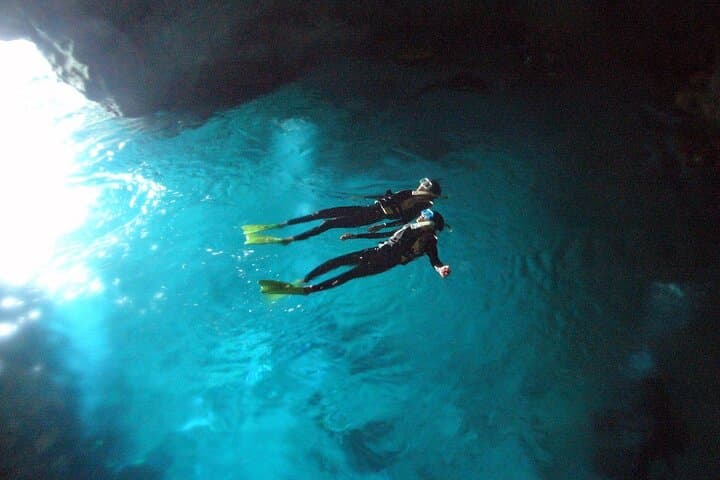
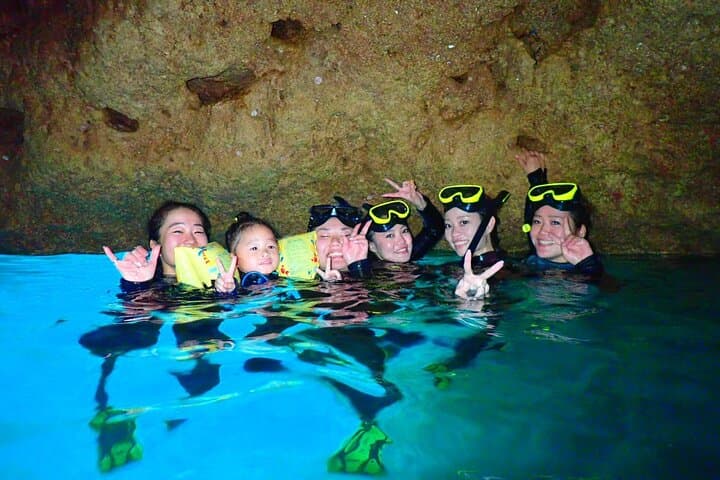
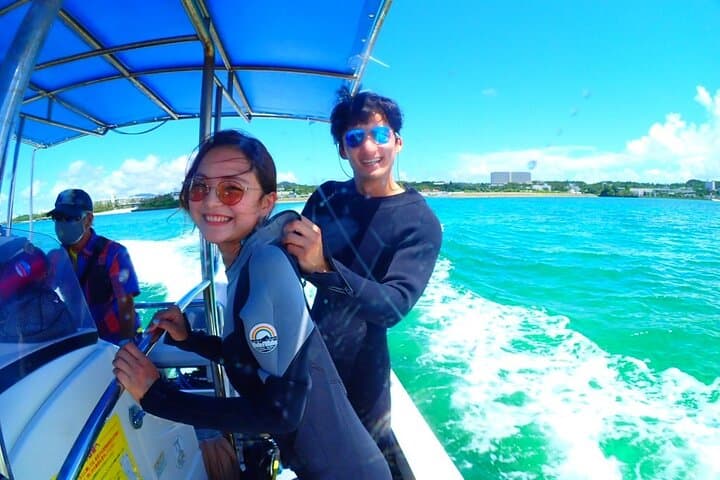
You push off from Maeganeku Port and the boat rocks easy, the island wind brushing your cheeks. Half a dozen heads tilt toward a slit of water where the sea looks impossibly lit from inside — the Blue Cave. Light folds through the cave entrance, paints the surface electric blue, and for a few heartbeats the ocean seems to be holding its breath for you.
Verified experiences and guided adventures in the surrounding area.
Operated by Cerulean Blue Okinawa · Onna, Okinawa Prefecture
You push off from Maeganeku Port and the boat rocks easy, the island wind brushing your cheeks. Half a dozen heads tilt toward a slit of water where the sea looks impossibly lit from inside — the Blue Cave. Light folds through the cave entrance, paints the surface electric blue, and for a few heartbeats the ocean seems to be holding its breath for you.
The Blue Cave at Cape Maeda is the product of time and tide. Wave-driven erosion hollowed out coral and Ryukyu limestone until the cave’s submerged archway carved a chamber that amplifies sunlight and scatters it into that otherworldly glow. The place has long been part of local coastal life — fishermen and free divers knew its moods long before it became a must-see for snorkelers.
Geology shows in every splash: worn coral ledges, pockets of sand, and vertical rock faces that drop away into blue. Cultural notes are quieter — Onna Village’s fishing communities, the Ryukyu seafaring past, and the modern dive culture that surrounds Cape Maeda. Local instructors who guide these trips are typically born of those traditions; they read currents and know which pockets hold the clearest views.
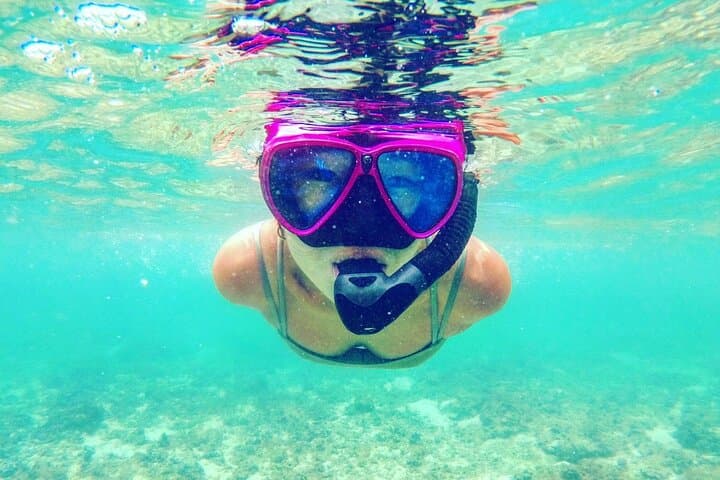
The operator collects travelers in Naha or Chatan, drives north to Maeganeku Port and fits you with mask, fins, and a life jacket. A short boat crossing and a clear safety briefing later you float at the cave mouth, tethered to surface-swimming and told that free diving is not allowed. For 40 minutes you trace the rim of the cave, watching light bend through water, following parrotfish around bommies, and feeling current tease the life jacket beneath you.
Practical edge: come with reef-safe sunscreen and a snug swim shirt to avoid chafing from the life jacket, and expect instructors to enforce buoyancy and no-touch rules — the reef recovers slowly if it’s handled. Pack a dry bag for phones and a towel for the port shower. Weather determines operations; small-boat rides mean cancellations when seas are rough.
This trip works well whether you’re a first-time snorkeler or comfortable in open water — the life jacket levels the field and local guides are patient with beginners. Bookings include transfers, equipment, and port facilities; the whole outing, including pickups and drop-offs, will take roughly three to four hours. The Blue Cave’s vivid light is best when the sun sits high enough to push beams into the chamber, but the cave can surprise you any clear day — the ocean is the one that decides when it will dazzle.
easy.
3–4 hours.
Basic swimming ability and comfort in open water; life jackets are used so excellent fitness isn’t required.
No — life jackets are mandatory and the activity is surface snorkeling; you should be comfortable floating and moving in open water for short periods.
This tour offers pickups from Naha and Chatan (American Village); you’ll receive exact pickup details the day before the activity.
Wetsuits may be provided depending on the season; the operator supplies mask, fins, life jacket and sometimes a suit for cooler months.
No — free diving is not allowed for safety and conservation reasons; snorkeling from the surface with a life jacket is the permitted activity.
Yes — the provider accepts participants typically between ages 5 and 59, but confirm age/weight limits and supervision requirements when booking.
Trips may be canceled for safety when seas are rough; check the supplier’s policy at booking and ask about rescheduling or refund options if a cancellation occurs.
Cape Maeda sits on Ryukyu limestone and sits within coastal waters historically used by Ryukyuan fishermen; the cave’s name Ao no Dokutsu (Blue Cave) comes from the vivid blue light that has long amazed locals.
The Blue Cave’s reef is sensitive—follow no‑touch rules, use reef‑safe sunscreen, and listen to guides to minimize impact on corals and marine life.
Cerulean Blue Okinawa operates guided outdoor trips and adventures with an emphasis on safety, stewardship, and memorable experiences.
You push off from Maeganeku Port and the boat rocks easy, the island wind brushing your cheeks. Half a dozen heads tilt toward a slit of water where the sea looks impossibly lit from inside — the Blue Cave. Light folds through the cave entrance, paints the surface electric blue, and for a few heartbeats the ocean seems to be holding its breath for you.
You push off from Maeganeku Port and the boat rocks easy, the island wind brushing your cheeks. Half a dozen heads tilt toward a slit of water where the sea looks impossibly lit from inside — the Blue Cave. Light folds through the cave entrance, paints the surface electric blue, and for a few heartbeats the ocean seems to be holding its breath for you.
The Blue Cave at Cape Maeda is the product of time and tide. Wave-driven erosion hollowed out coral and Ryukyu limestone until the cave’s submerged archway carved a chamber that amplifies sunlight and scatters it into that otherworldly glow. The place has long been part of local coastal life — fishermen and free divers knew its moods long before it became a must-see for snorkelers.
Geology shows in every splash: worn coral ledges, pockets of sand, and vertical rock faces that drop away into blue. Cultural notes are quieter — Onna Village’s fishing communities, the Ryukyu seafaring past, and the modern dive culture that surrounds Cape Maeda. Local instructors who guide these trips are typically born of those traditions; they read currents and know which pockets hold the clearest views.
The operator collects travelers in Naha or Chatan, drives north to Maeganeku Port and fits you with mask, fins, and a life jacket. A short boat crossing and a clear safety briefing later you float at the cave mouth, tethered to surface-swimming and told that free diving is not allowed. For 40 minutes you trace the rim of the cave, watching light bend through water, following parrotfish around bommies, and feeling current tease the life jacket beneath you.
Practical edge: come with reef-safe sunscreen and a snug swim shirt to avoid chafing from the life jacket, and expect instructors to enforce buoyancy and no-touch rules — the reef recovers slowly if it’s handled. Pack a dry bag for phones and a towel for the port shower. Weather determines operations; small-boat rides mean cancellations when seas are rough.
This trip works well whether you’re a first-time snorkeler or comfortable in open water — the life jacket levels the field and local guides are patient with beginners. Bookings include transfers, equipment, and port facilities; the whole outing, including pickups and drop-offs, will take roughly three to four hours. The Blue Cave’s vivid light is best when the sun sits high enough to push beams into the chamber, but the cave can surprise you any clear day — the ocean is the one that decides when it will dazzle.