THE ADVENTURE COLLECTIVE® · Independent discovery and booking for outdoor travel

Slip from Kotor’s harbor into a pocket of cobalt: the Blue Cave’s underwater light show, a swim in glassy Adriatic water, and quick stops at Mamula and Our Lady of the Rocks make for a compact, history-steeped boat tour. Practical details for timing, what to bring, and what to expect on this three-hour outing.
Slip from Kotor’s harbor into a pocket of cobalt: the Blue Cave’s underwater light show, a swim in glassy Adriatic water, and quick stops at Mamula and Our Lady of the Rocks make for a compact, history-steeped boat tour. Practical details for timing, what to bring, and what to expect on this three-hour outing.
The hull nosed into a shadow at the base of a knife-edged cliff, and sunlight sliced through the narrow entrance to light the water like spilled cobalt paint. For three hours the sea does the guiding: it draws you through Luštica’s carved limestone, past concrete ribs of wartime submarine pens, and around the squat silhouette of Mamula Island where stone once meant confinement.
Verified experiences and guided adventures in the surrounding area.
Operated by Dive Sicily · Kotor, Kotor Municipality
The hull nosed into a shadow at the base of a knife-edged cliff, and sunlight sliced through the narrow entrance to light the water like spilled cobalt paint. For three hours the sea does the guiding: it draws you through Luštica’s carved limestone, past concrete ribs of wartime submarine pens, and around the squat silhouette of Mamula Island where stone once meant confinement.
The Blue Cave itself is simple geology with theatrical timing. Centuries of wave battering hollowed a seam at the base of a roughly 100-meter cliff; when the sun hits the right angle the cave’s interior refracts light into vivid blue reflections that climb up onto your skin when you jump in. The route runs along the inner flank of the Bay of Kotor, a drowned river valley shaped by karst and tectonics. Perast’s artificial islet, Our Lady of the Rocks—built in the 15th century—sits like a small stage between steep coastal villages and the narrow Verige Strait, where the bay pinches to roughly 300 meters across.
This is a tour of contrasts: warm Adriatic water and cold stone; cheerful swimmers and the austere traces of empire and war. Mamula, built as a fort in 1853, became an infamous prison in both world wars. Further along, oversized concrete submarine pens and an abandoned Yugoslav base hint at the bay’s strategic value in the 20th century. Locals in Perast still ferry offerings to the chapel on the islet; the rhythm of the place is maritime and stubbornly human.
Practical side: the shared tour departs from Kotor’s Park Slobode — a five-minute walk from the old town gate — and runs about three hours with group sizes up to 48. Expect 20–30 minutes anchored at the Blue Cave for swimming and photos, plus quick stops for views at Mamula and Our Lady of the Rocks. Wear swimwear under your clothes for quick transitions, bring reef-safe sunscreen, and a small dry bag for phone and documents. Sea conditions can change; operators may alter the route for safety.
Timing matters: aim for late morning to early afternoon for the strongest blue in the cave; calm seas amplify reflections. If you’re prone to motion sickness, take remedies before departure and sit mid-boat where movement is gentlest. Respect the sites: avoid touching cave walls, and follow crew instructions when entering the water.
For a compact slice of the Bay of Kotor—its geology, wartime scars, and living coastal culture—this 3-hour boat tour delivers an immediate, vividly aquatic perspective that’s easy to join from Kotor’s old town.
easy.
3 hours.
Suitable for most fitness levels; requires basic swimming ability for the cave stop.
Operators usually anchor 20–30 minutes at the Blue Cave to allow swimming, photos, and circling the entrance; times can vary with sea conditions.
Yes—staff typically assess sea conditions and brief passengers; basic swimming ability is required and life jackets are available if needed.
Yes, but you must provide ship name and disembarkation/reboarding times at booking; the departure point is a short walk from Kotor’s port.
No—tours make a brief stop to view Mamula island from the boat; landing is generally not included due to conservation and safety restrictions.
The tour includes the captain/driver guide and boat transport; personal items, food, and entrance to any paid attractions are typically not included.
The blue effect is strongest when the sun is higher—late morning to early afternoon offers the most vivid color, subject to cloud cover and sea clarity.
Perast and nearby islands show layers of Adriatic history—from Venetian-era churches to 19th-century Austro-Hungarian forts and 20th-century Yugoslav naval works.
The Bay of Kotor is ecologically sensitive; choose operators who limit anchoring in seagrass beds and encourage reef-safe sunscreen and responsible swimming.
Dive Sicily operates guided outdoor trips and adventures with an emphasis on safety, stewardship, and memorable experiences.
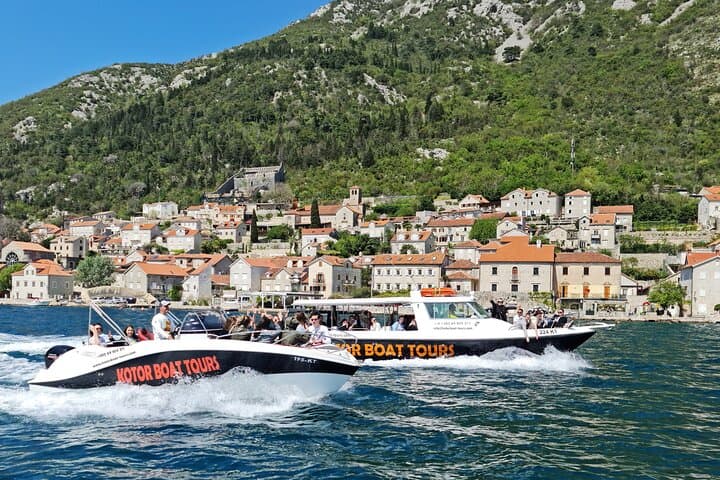
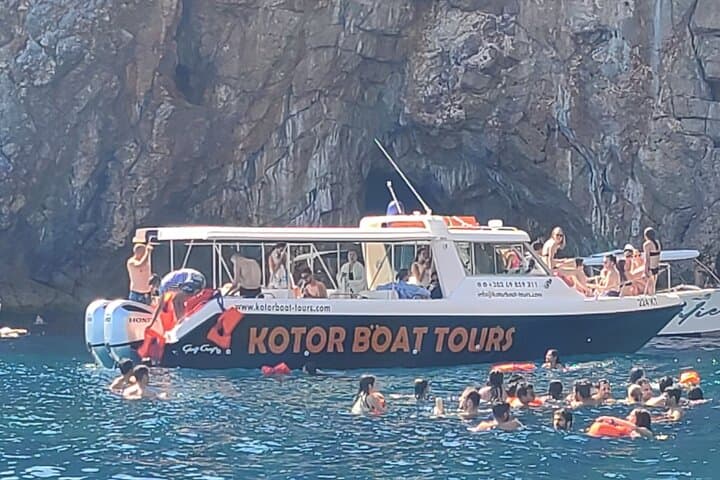
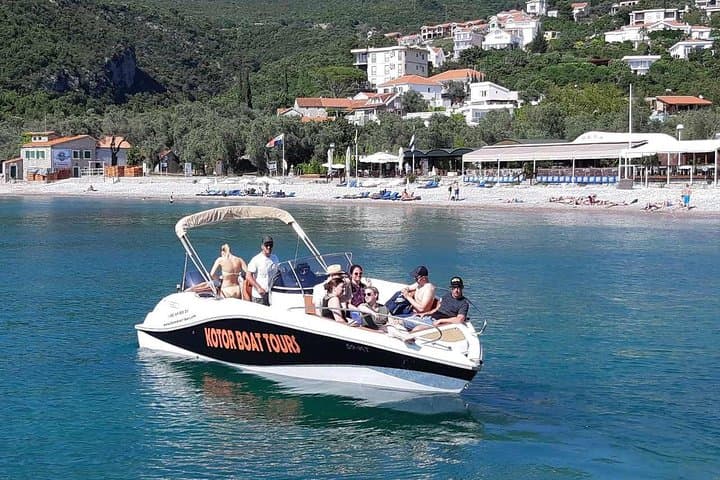
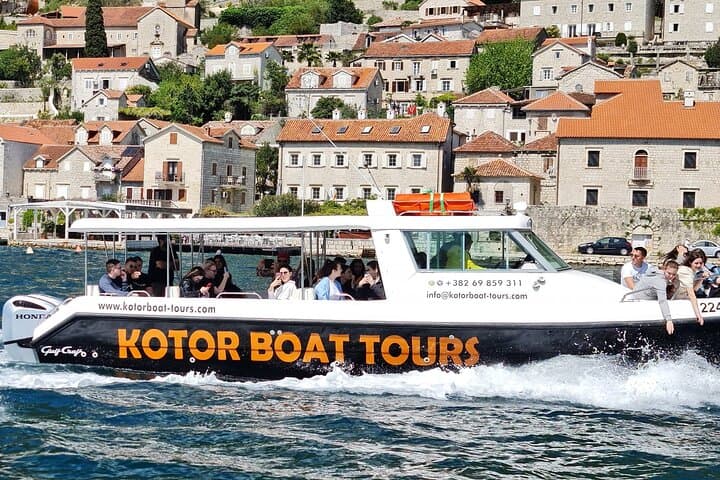
The hull nosed into a shadow at the base of a knife-edged cliff, and sunlight sliced through the narrow entrance to light the water like spilled cobalt paint. For three hours the sea does the guiding: it draws you through Luštica’s carved limestone, past concrete ribs of wartime submarine pens, and around the squat silhouette of Mamula Island where stone once meant confinement.
The hull nosed into a shadow at the base of a knife-edged cliff, and sunlight sliced through the narrow entrance to light the water like spilled cobalt paint. For three hours the sea does the guiding: it draws you through Luštica’s carved limestone, past concrete ribs of wartime submarine pens, and around the squat silhouette of Mamula Island where stone once meant confinement.
The Blue Cave itself is simple geology with theatrical timing. Centuries of wave battering hollowed a seam at the base of a roughly 100-meter cliff; when the sun hits the right angle the cave’s interior refracts light into vivid blue reflections that climb up onto your skin when you jump in. The route runs along the inner flank of the Bay of Kotor, a drowned river valley shaped by karst and tectonics. Perast’s artificial islet, Our Lady of the Rocks—built in the 15th century—sits like a small stage between steep coastal villages and the narrow Verige Strait, where the bay pinches to roughly 300 meters across.
This is a tour of contrasts: warm Adriatic water and cold stone; cheerful swimmers and the austere traces of empire and war. Mamula, built as a fort in 1853, became an infamous prison in both world wars. Further along, oversized concrete submarine pens and an abandoned Yugoslav base hint at the bay’s strategic value in the 20th century. Locals in Perast still ferry offerings to the chapel on the islet; the rhythm of the place is maritime and stubbornly human.
Practical side: the shared tour departs from Kotor’s Park Slobode — a five-minute walk from the old town gate — and runs about three hours with group sizes up to 48. Expect 20–30 minutes anchored at the Blue Cave for swimming and photos, plus quick stops for views at Mamula and Our Lady of the Rocks. Wear swimwear under your clothes for quick transitions, bring reef-safe sunscreen, and a small dry bag for phone and documents. Sea conditions can change; operators may alter the route for safety.
Timing matters: aim for late morning to early afternoon for the strongest blue in the cave; calm seas amplify reflections. If you’re prone to motion sickness, take remedies before departure and sit mid-boat where movement is gentlest. Respect the sites: avoid touching cave walls, and follow crew instructions when entering the water.
For a compact slice of the Bay of Kotor—its geology, wartime scars, and living coastal culture—this 3-hour boat tour delivers an immediate, vividly aquatic perspective that’s easy to join from Kotor’s old town.