THE ADVENTURE COLLECTIVE® · Independent discovery and booking for outdoor travel

Tuck away from Mauritius’s beaches and climb into Black River Gorges’ native forest: a three‑hour guided loop that visits the Bats Valley, tops out at 400 m with west‑coast views, and finishes with a river swim. Read on for what to expect and how to prepare.
Tuck away from Mauritius’s beaches and climb into Black River Gorges’ native forest: a three‑hour guided loop that visits the Bats Valley, tops out at 400 m with west‑coast views, and finishes with a river swim. Read on for what to expect and how to prepare.
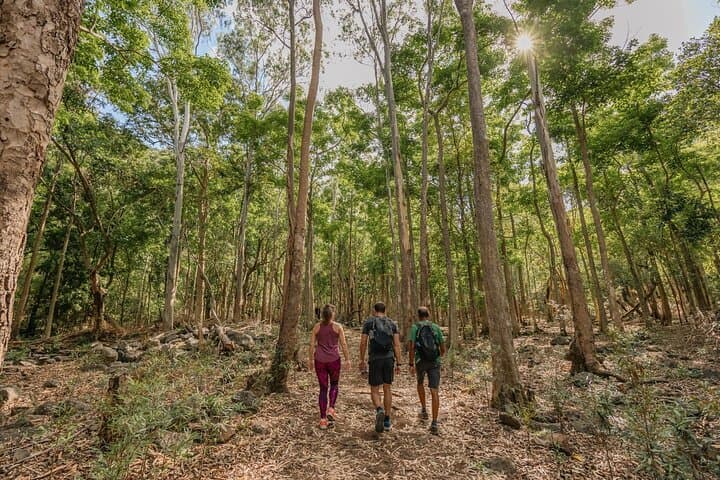
The trail begins in a humid hush: leaves drip with recent spray, roots crisscross the path like the hands of an old farmer, and the forest seems to breathe around you. Within minutes the island’s everyday noise — scooters, markets, the distant surf — falls away and the canopy takes charge. You climb through a mix of endemic ebony and dodo-era shrubs, breath fogging in the cooler understory, and the guide points toward a narrow cleft: Mare aux Joncs Gorge, the so-called “Bats Valley,” where a cloud of Mauritian fruit bats hangs from branches and flutters like a living curtain.
Verified experiences and guided adventures in the surrounding area.
Operated by Yanature · Chamarel, Rivière Noire District
The trail begins in a humid hush: leaves drip with recent spray, roots crisscross the path like the hands of an old farmer, and the forest seems to breathe around you. Within minutes the island’s everyday noise — scooters, markets, the distant surf — falls away and the canopy takes charge. You climb through a mix of endemic ebony and dodo-era shrubs, breath fogging in the cooler understory, and the guide points toward a narrow cleft: Mare aux Joncs Gorge, the so-called “Bats Valley,” where a cloud of Mauritian fruit bats hangs from branches and flutters like a living curtain.
This is a hike that reads the island’s past on its slopes. Black River Gorges National Park protects 67.5 km² of upland rainforest carved from volcanic basalt; trails rise to about 400 m here, giving a clear view down over the West Coast lagoons and the patchwork of villages perched against reef. Geologically, the park is a worn edge of Mauritius’s volcanic bones, with rivers daring the land to collapse into gorges and waterfalls. Culturally, the ridges have long been the boundary between coastal settlements and interior hunting grounds — today they’re a refuge for species found nowhere else.
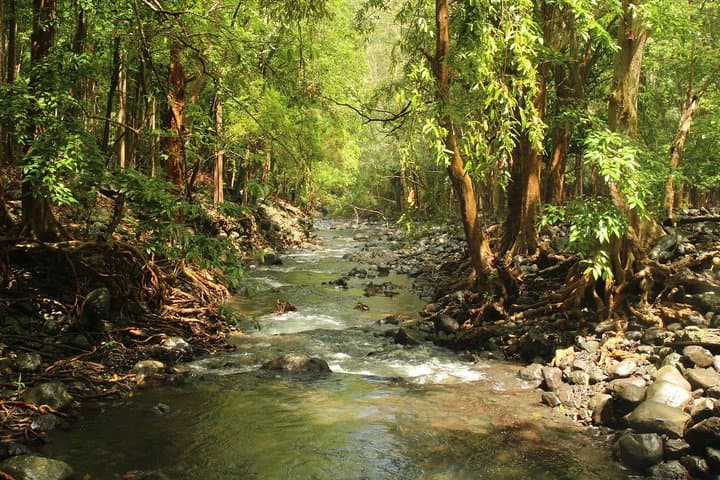
Expect varied terrain: packed dirt, slick roots, short rock scrambles and a steady ascent that tops out at roughly 400 m above sea level. From the summit the west coast opens like a map — blues of lagoon, crescents of sand and the tidy roofs of small villages across the valley. The descent brings you to a quieter river pool, where a cooling swim rewards dusty hikers before the final walk back to the lower parking lot.
Practicalities matter here. The guided route takes about three hours with a moderate fitness requirement; the operator notes a meeting point at Riverview commercial centre, then a short drive (≈5 km) to the trailhead. Trails can be slippery after rain — bring footwear with good grip and expect some uneven footing. Carry at least 1–2 liters of water, reef-safe sunscreen and insect repellent. The park is a conservation priority: stay on marked paths, avoid disturbing bat colonies at Mare aux Joncs, and pack out any trash.
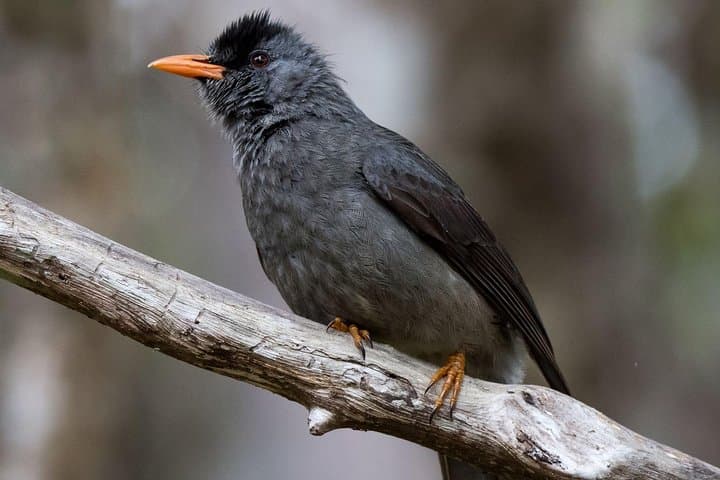
Timing the hike for early morning gives the clearest air and the best light for photos; afternoons bring heat and sporadic showers. Guides will share insights on endemic birds, ongoing reforestation efforts and the quirks of Mauritian weather. For travelers staying nearby in Chamarel or along the west coast, it’s an efficient half-day escape into a wild interior that still feels surprisingly remote — a compressed, tactile introduction to Mauritius beyond the beaches.
moderate.
3 hours.
Moderate – you should be comfortable with sustained uphill walking and some uneven footing.
The guided loop is about 3 hours and rated moderate — expect a steady ascent to ~400 m with uneven terrain and some short scrambles.
Children under 10 are not recommended for this tour; older children with good stamina can join but should be monitored on slippery sections.
Pack water; there are no reliable refill stations on-trail, though the guide may have extra water for emergencies.
Yes; the tour typically stops at a river pool suitable for swimming — beware of slippery banks and check local conditions before entering.
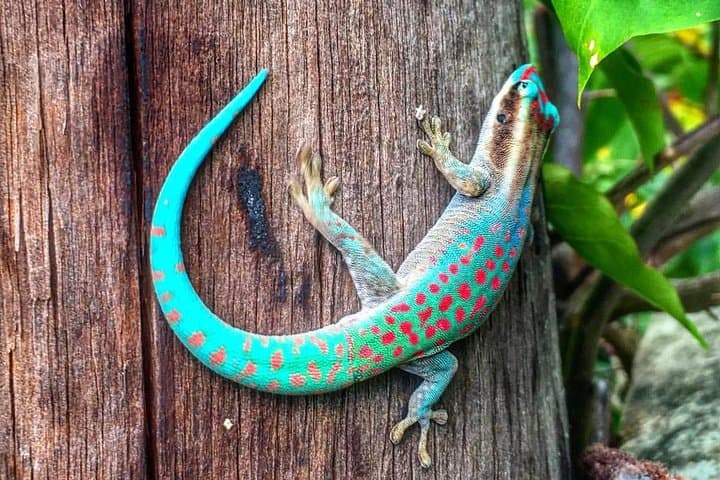
Yes—Mare aux Joncs hosts large groups of Mauritian fruit bats, and the park contains endemic birds such as the Mauritius kestrel and pink pigeon.
The operator meets at the Riverview commercial centre; from there participants follow the guide in taxi or car about 5 km to the lower entrance parking lot.
Black River Gorges National Park was created to protect the island’s remaining upland forests and endemic species, preserving terrain shaped by ancient volcanic flows.
The park is a focus of reforestation and invasive-species control; visitors should stick to paths, avoid feeding wildlife and carry out trash to reduce impact.
Yanature operates guided outdoor trips and adventures with an emphasis on safety, stewardship, and memorable experiences.
The trail begins in a humid hush: leaves drip with recent spray, roots crisscross the path like the hands of an old farmer, and the forest seems to breathe around you. Within minutes the island’s everyday noise — scooters, markets, the distant surf — falls away and the canopy takes charge. You climb through a mix of endemic ebony and dodo-era shrubs, breath fogging in the cooler understory, and the guide points toward a narrow cleft: Mare aux Joncs Gorge, the so-called “Bats Valley,” where a cloud of Mauritian fruit bats hangs from branches and flutters like a living curtain.
The trail begins in a humid hush: leaves drip with recent spray, roots crisscross the path like the hands of an old farmer, and the forest seems to breathe around you. Within minutes the island’s everyday noise — scooters, markets, the distant surf — falls away and the canopy takes charge. You climb through a mix of endemic ebony and dodo-era shrubs, breath fogging in the cooler understory, and the guide points toward a narrow cleft: Mare aux Joncs Gorge, the so-called “Bats Valley,” where a cloud of Mauritian fruit bats hangs from branches and flutters like a living curtain.
This is a hike that reads the island’s past on its slopes. Black River Gorges National Park protects 67.5 km² of upland rainforest carved from volcanic basalt; trails rise to about 400 m here, giving a clear view down over the West Coast lagoons and the patchwork of villages perched against reef. Geologically, the park is a worn edge of Mauritius’s volcanic bones, with rivers daring the land to collapse into gorges and waterfalls. Culturally, the ridges have long been the boundary between coastal settlements and interior hunting grounds — today they’re a refuge for species found nowhere else.
Expect varied terrain: packed dirt, slick roots, short rock scrambles and a steady ascent that tops out at roughly 400 m above sea level. From the summit the west coast opens like a map — blues of lagoon, crescents of sand and the tidy roofs of small villages across the valley. The descent brings you to a quieter river pool, where a cooling swim rewards dusty hikers before the final walk back to the lower parking lot.
Practicalities matter here. The guided route takes about three hours with a moderate fitness requirement; the operator notes a meeting point at Riverview commercial centre, then a short drive (≈5 km) to the trailhead. Trails can be slippery after rain — bring footwear with good grip and expect some uneven footing. Carry at least 1–2 liters of water, reef-safe sunscreen and insect repellent. The park is a conservation priority: stay on marked paths, avoid disturbing bat colonies at Mare aux Joncs, and pack out any trash.
Timing the hike for early morning gives the clearest air and the best light for photos; afternoons bring heat and sporadic showers. Guides will share insights on endemic birds, ongoing reforestation efforts and the quirks of Mauritian weather. For travelers staying nearby in Chamarel or along the west coast, it’s an efficient half-day escape into a wild interior that still feels surprisingly remote — a compressed, tactile introduction to Mauritius beyond the beaches.