THE ADVENTURE COLLECTIVE® · Independent discovery and booking for outdoor travel

A flexible private day trip from Bilbao along the Basque coast that pairs dramatic geology, fishing ports, surf towns and San Sebastián’s tapas culture. Ideal for travelers who want local insight, photo stops, and the option to hike Gaztelugatxe.
A flexible private day trip from Bilbao along the Basque coast that pairs dramatic geology, fishing ports, surf towns and San Sebastián’s tapas culture. Ideal for travelers who want local insight, photo stops, and the option to hike Gaztelugatxe.
The morning air off Bilbao tastes faintly of salt and diesel as a compact minivan threads out of the city and onto the Cantabrian coast. Windows framed by low hills reveal a coastline that doesn’t so much end as change temperament: rocky headlands give way to long, wind-sculpted beaches; fishing harbors open like pockets of lived-in history. The guide pulls over at a cliff-top vantage and points south — where the Pyrenees fold into the Atlantic — and the day’s rhythm becomes clear: a road that alternates between dramatic views, compact fishing towns, and one of Spain’s most celebrated culinary cities.
Verified experiences and guided adventures in the surrounding area.
Operated by Sightseeing in France - Private Tours · Bilbao, Basque Country
The morning air off Bilbao tastes faintly of salt and diesel as a compact minivan threads out of the city and onto the Cantabrian coast. Windows framed by low hills reveal a coastline that doesn’t so much end as change temperament: rocky headlands give way to long, wind-sculpted beaches; fishing harbors open like pockets of lived-in history. The guide pulls over at a cliff-top vantage and points south — where the Pyrenees fold into the Atlantic — and the day’s rhythm becomes clear: a road that alternates between dramatic views, compact fishing towns, and one of Spain’s most celebrated culinary cities.
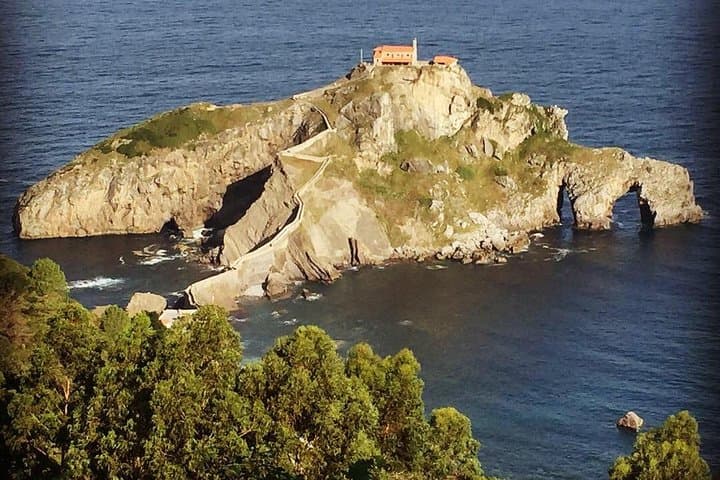
This private sightseeing route traces centuries of Basque maritime life. From medieval ports like Bermeo to the surf town of Mundaka and the flysch cliffs at Zumaia, the landscape is as much geology as culture. The islands and stair-stepped islets used in recent film and television (notably San Juan de Gaztelugatxe) are limestone and shale stacked by ancient seabed forces; tides and storms continue to shape the coastline, exposing layered rock that reads like a slow-motion page from Earth’s history.
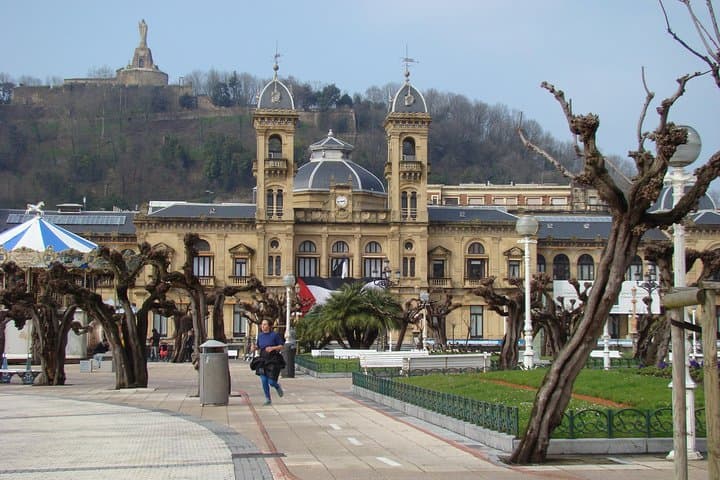
Culturally the Basque Country holds its own language, cuisine, and pride. Old fishing quarters still smell of smoke and frying oil where pintxos bars work their weekday alchemy; in San Sebastián the Concha Bay curves like an amphitheater inviting promenades and late-afternoon light. The guide—often bilingual and raised between cultures—links the dots: which town supplied which port, where the seasonal sardine festivals still happen, and which view is best for a quiet coffee.
Practically, the tour is built for flexibility. It runs roughly seven hours door-to-door from Bilbao, with the option to hike the stairs up Gaztelugatxe (allow 1.5–2 hours if you want to ring the bell) or linger in San Sebastián’s Old Town for tapas. Roads are coastal but well-maintained; expect several short walks over uneven stone and a handful of stairs at scenic overlooks. Bring sensible footwear and a light shell — coastal winds can change the temperature quickly. Morning light makes for cleaner photos; late afternoon heats up the pintxos scene.
For travelers who want history, surf culture, and a focused day sampling Basque life without the constraints of a group tour, this private route balances context with freedom. The guide’s local perspective transforms stops from postcard views into stories about livelihoods, language, and the coast’s ongoing geological work, leaving you with a clear sense of place and a plan for how to return and explore deeper.
easy.
7 hours.
Suitable for most fitness levels; involves short walks and some stairs—basic mobility required.
The tour typically starts in Bilbao with hotel or port pickup and ends back in Bilbao after a full-day loop to San Sebastián and coastal stops.
Yes—if you want to hike the stairs and ring the bell allow 1.5–2 extra hours and confirm reservation requirements with the guide.
The vehicle and some pickup options are wheelchair accessible, but several viewpoints and the Gaztelugatxe hike require mobility and are not accessible.
Yes—guides are bilingual and experienced with English-speaking travelers and local cultural context.
Bottled water is provided; meals and tapas are not included, giving you freedom to choose where to eat.
Full refund if canceled at least 24 hours before departure; no refund within 24 hours.
The Basque coast has been a maritime crossroads for centuries; small ports like Bermeo were crucial for cod and whaling-era supply chains and retain distinctive Basque architecture.
The flysch formations and coastal paths are sensitive to erosion and trampling; visitors are encouraged to stay on marked trails and follow local reservation rules for protected sites like Gaztelugatxe.
Sightseeing in France - Private Tours operates guided outdoor trips and adventures with an emphasis on safety, stewardship, and memorable experiences.
The morning air off Bilbao tastes faintly of salt and diesel as a compact minivan threads out of the city and onto the Cantabrian coast. Windows framed by low hills reveal a coastline that doesn’t so much end as change temperament: rocky headlands give way to long, wind-sculpted beaches; fishing harbors open like pockets of lived-in history. The guide pulls over at a cliff-top vantage and points south — where the Pyrenees fold into the Atlantic — and the day’s rhythm becomes clear: a road that alternates between dramatic views, compact fishing towns, and one of Spain’s most celebrated culinary cities.
The morning air off Bilbao tastes faintly of salt and diesel as a compact minivan threads out of the city and onto the Cantabrian coast. Windows framed by low hills reveal a coastline that doesn’t so much end as change temperament: rocky headlands give way to long, wind-sculpted beaches; fishing harbors open like pockets of lived-in history. The guide pulls over at a cliff-top vantage and points south — where the Pyrenees fold into the Atlantic — and the day’s rhythm becomes clear: a road that alternates between dramatic views, compact fishing towns, and one of Spain’s most celebrated culinary cities.
This private sightseeing route traces centuries of Basque maritime life. From medieval ports like Bermeo to the surf town of Mundaka and the flysch cliffs at Zumaia, the landscape is as much geology as culture. The islands and stair-stepped islets used in recent film and television (notably San Juan de Gaztelugatxe) are limestone and shale stacked by ancient seabed forces; tides and storms continue to shape the coastline, exposing layered rock that reads like a slow-motion page from Earth’s history.
Culturally the Basque Country holds its own language, cuisine, and pride. Old fishing quarters still smell of smoke and frying oil where pintxos bars work their weekday alchemy; in San Sebastián the Concha Bay curves like an amphitheater inviting promenades and late-afternoon light. The guide—often bilingual and raised between cultures—links the dots: which town supplied which port, where the seasonal sardine festivals still happen, and which view is best for a quiet coffee.
Practically, the tour is built for flexibility. It runs roughly seven hours door-to-door from Bilbao, with the option to hike the stairs up Gaztelugatxe (allow 1.5–2 hours if you want to ring the bell) or linger in San Sebastián’s Old Town for tapas. Roads are coastal but well-maintained; expect several short walks over uneven stone and a handful of stairs at scenic overlooks. Bring sensible footwear and a light shell — coastal winds can change the temperature quickly. Morning light makes for cleaner photos; late afternoon heats up the pintxos scene.
For travelers who want history, surf culture, and a focused day sampling Basque life without the constraints of a group tour, this private route balances context with freedom. The guide’s local perspective transforms stops from postcard views into stories about livelihoods, language, and the coast’s ongoing geological work, leaving you with a clear sense of place and a plan for how to return and explore deeper.