THE ADVENTURE COLLECTIVE® · Independent discovery and booking for outdoor travel

Skip the crowds and let a local guide lead your private 90‑minute exploration of Whitehorse—its riverfront, gold‑rush history, and modern-day culture. This intimate walking tour delivers stories, viewpoints, and practical tips for first-time visitors.
Skip the crowds and let a local guide lead your private 90‑minute exploration of Whitehorse—its riverfront, gold‑rush history, and modern-day culture. This intimate walking tour delivers stories, viewpoints, and practical tips for first-time visitors.
The tour starts where the city's heart begins to beat against the Yukon River—a low, restless current that dares you to look back at the trail of history it carved. Your guide waits with a map and a handful of stories; the first steps take you past the riverfront boardwalk where fishing boats bob and gulls quarrel over the morning catch. The city is compact but layered: wooden storefronts from the gold rush rub shoulders with modern glass, and the skyline is punctuated by a single glowing clock and the hulking silhouette of the SS Klondike, retired to dry land.
Verified experiences and guided adventures in the surrounding area.
Operated by Opatrip.com Canada · Whitehorse, Yukon
The tour starts where the city's heart begins to beat against the Yukon River—a low, restless current that dares you to look back at the trail of history it carved. Your guide waits with a map and a handful of stories; the first steps take you past the riverfront boardwalk where fishing boats bob and gulls quarrel over the morning catch. The city is compact but layered: wooden storefronts from the gold rush rub shoulders with modern glass, and the skyline is punctuated by a single glowing clock and the hulking silhouette of the SS Klondike, retired to dry land.
Whitehorse grew from the urgency of the Klondike Gold Rush and the railroad ambition that followed. Geologically, the area is a corridor—glacial tills and basalt cliffs at nearby Miles Canyon hint at violent ice ages and volcanic episodes that shaped the river's course. Culturally, the land belongs to Kwanlin Dün and Ta’an Kwäch’än people; their presence is visible in place names, interpretive panels, and public art. Your guide will weave these threads—tales of stampeders, railway crews, and First Nations stewards—into the walk, turning corners into chapters.
Expect a walking route that balances architecture and outdoors: heritage buildings along 2nd Avenue, the waterfront trail, viewpoints that look across the river to wind-scarred hills. The guide points out little things: a brass plaque that marks an old roadhouse, a mural that honors river drivers, a brewery tucked into a converted warehouse. The private format means questions shape the pace—ask about local food, seasonal fishing, or where to watch the northern lights when winter comes.
Practicalities are straightforward. The tour lasts about 90 minutes and is designed for any mobility level, although some short stair sections and uneven sidewalks are part of the route. Downtown pickup is available; if your accommodation sits outside of downtown, plan to meet at the designated start. Dress in layers—Whitehorse weather swings fast—and bring closed shoes for riverfront stone and boardwalk sections. In summer, mosquito repellent is indispensable; in winter, the glow of streetlamps on snow makes the city intimate but cold.
Because the tour is private, it’s ideal for first-time visitors who want an efficient orientation: you leave with a sense of the lay of the land, concrete recommendations for food and museums, and a handful of stories you’ll pass on. The city does much of its talking quietly: a repaired façade, a commemorative plaque, a river bend that still holds the memory of barges. Walk with a guide and those quiet things speak loud enough to plan your next day in the Yukon with confidence.
easy.
1–2 hours (approx. 90 minutes).
Basic walking ability; able to navigate short staircases and uneven sidewalks.
The private walking tour is approximately 90 minutes long.
The meeting point is downtown Whitehorse at the agreed pickup location; the tour returns to the same area unless other arrangements are made.
The route is mostly on sidewalks and boardwalks but includes short stair sections—contact the supplier to discuss accessibility needs and possible route adjustments.
Yes—guides are local professionals who focus on Whitehorse history, geology, and cultural context, including First Nations perspectives.
Tours operate in most weather; dress for conditions. The operator does not offer refunds for weather-related cancellations.
Tipping is appreciated for good service; 10–15% is standard in Canada for private guide experiences.
Whitehorse grew rapidly during the Klondike Gold Rush and as a transportation hub; many downtown buildings date to the early 20th century or were rebuilt after fires during that era.
Respect local Indigenous sites and stay on marked paths; Whitehorse emphasizes sustainable tourism and waste reduction—use refill stations and avoid single‑use plastics.
Opatrip.com Canada operates guided outdoor trips and adventures with an emphasis on safety, stewardship, and memorable experiences.
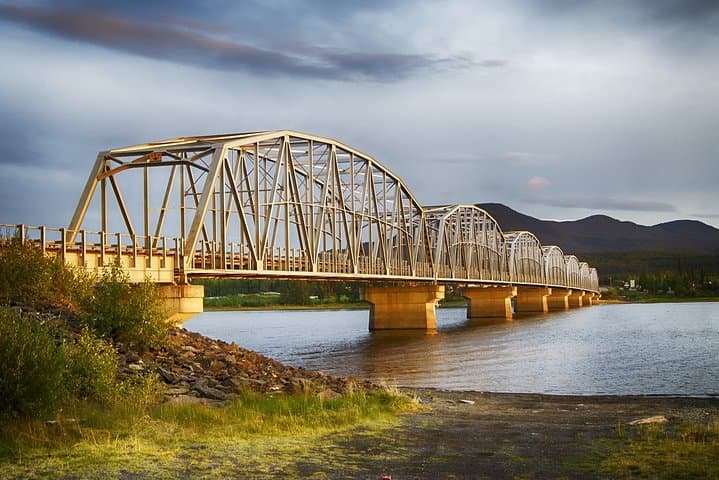
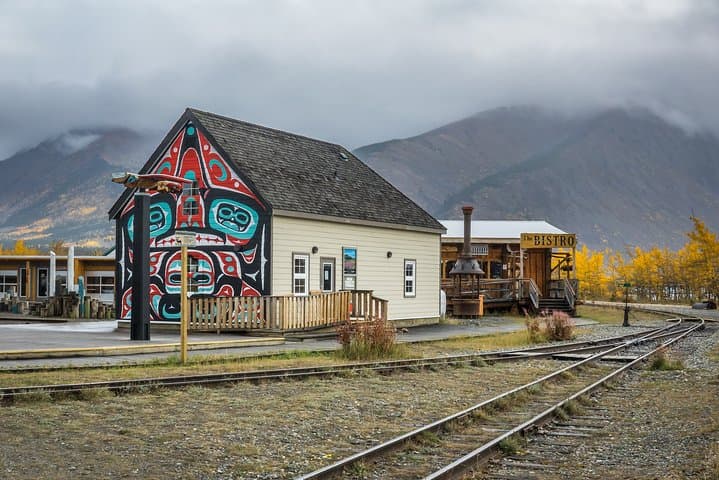
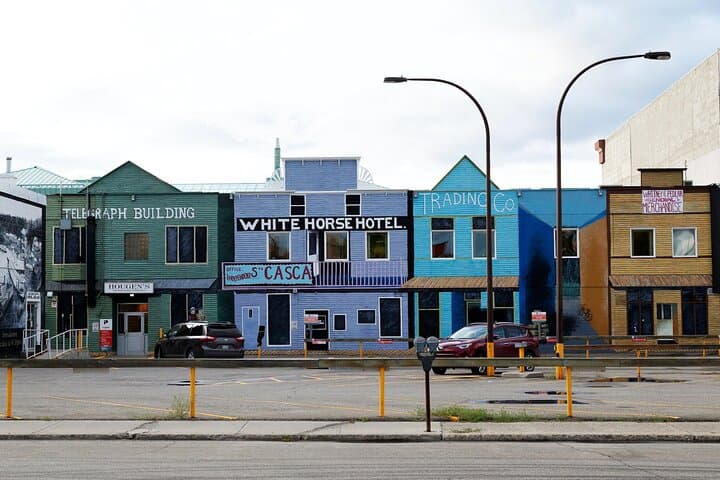
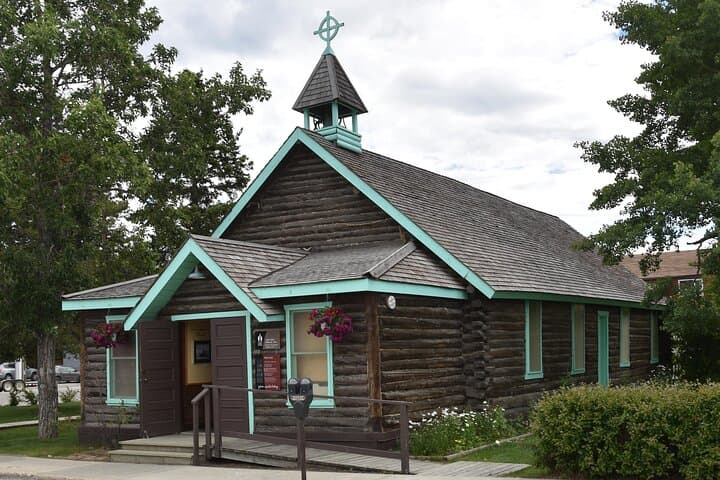
The tour starts where the city's heart begins to beat against the Yukon River—a low, restless current that dares you to look back at the trail of history it carved. Your guide waits with a map and a handful of stories; the first steps take you past the riverfront boardwalk where fishing boats bob and gulls quarrel over the morning catch. The city is compact but layered: wooden storefronts from the gold rush rub shoulders with modern glass, and the skyline is punctuated by a single glowing clock and the hulking silhouette of the SS Klondike, retired to dry land.
The tour starts where the city's heart begins to beat against the Yukon River—a low, restless current that dares you to look back at the trail of history it carved. Your guide waits with a map and a handful of stories; the first steps take you past the riverfront boardwalk where fishing boats bob and gulls quarrel over the morning catch. The city is compact but layered: wooden storefronts from the gold rush rub shoulders with modern glass, and the skyline is punctuated by a single glowing clock and the hulking silhouette of the SS Klondike, retired to dry land.
Whitehorse grew from the urgency of the Klondike Gold Rush and the railroad ambition that followed. Geologically, the area is a corridor—glacial tills and basalt cliffs at nearby Miles Canyon hint at violent ice ages and volcanic episodes that shaped the river's course. Culturally, the land belongs to Kwanlin Dün and Ta’an Kwäch’än people; their presence is visible in place names, interpretive panels, and public art. Your guide will weave these threads—tales of stampeders, railway crews, and First Nations stewards—into the walk, turning corners into chapters.
Expect a walking route that balances architecture and outdoors: heritage buildings along 2nd Avenue, the waterfront trail, viewpoints that look across the river to wind-scarred hills. The guide points out little things: a brass plaque that marks an old roadhouse, a mural that honors river drivers, a brewery tucked into a converted warehouse. The private format means questions shape the pace—ask about local food, seasonal fishing, or where to watch the northern lights when winter comes.
Practicalities are straightforward. The tour lasts about 90 minutes and is designed for any mobility level, although some short stair sections and uneven sidewalks are part of the route. Downtown pickup is available; if your accommodation sits outside of downtown, plan to meet at the designated start. Dress in layers—Whitehorse weather swings fast—and bring closed shoes for riverfront stone and boardwalk sections. In summer, mosquito repellent is indispensable; in winter, the glow of streetlamps on snow makes the city intimate but cold.
Because the tour is private, it’s ideal for first-time visitors who want an efficient orientation: you leave with a sense of the lay of the land, concrete recommendations for food and museums, and a handful of stories you’ll pass on. The city does much of its talking quietly: a repaired façade, a commemorative plaque, a river bend that still holds the memory of barges. Walk with a guide and those quiet things speak loud enough to plan your next day in the Yukon with confidence.