THE ADVENTURE COLLECTIVE® · Independent discovery and booking for outdoor travel

A private full-day circuit through Ubud’s most photogenic landscapes: soar above Tegalalang on the famous swing, taste coffee at a plantation, and wade under three very different waterfalls. Practical tips on timing, footwear and photography help you make the most of this 10‑hour island road trip.
A private full-day circuit through Ubud’s most photogenic landscapes: soar above Tegalalang on the famous swing, taste coffee at a plantation, and wade under three very different waterfalls. Practical tips on timing, footwear and photography help you make the most of this 10‑hour island road trip.
You step out of the van and the world immediately changes scale: terraces fold away in green bands, a river somewhere below is audible like a distant drum, and the air smells of wet earth and frying spices. The day begins in Tegalalang — where ancient subak irrigation channels carve clean lines across the hills and locals tend rice paddies that climb like staircases toward the skyline. From that high rim you swing out above palm crowns, the harness humming as the valley tests your balance and your camera appetites.
Verified experiences and guided adventures in the surrounding area.
Operated by Bali Sunrise Hike · Ubud, Bali
You step out of the van and the world immediately changes scale: terraces fold away in green bands, a river somewhere below is audible like a distant drum, and the air smells of wet earth and frying spices. The day begins in Tegalalang — where ancient subak irrigation channels carve clean lines across the hills and locals tend rice paddies that climb like staircases toward the skyline. From that high rim you swing out above palm crowns, the harness humming as the valley tests your balance and your camera appetites.
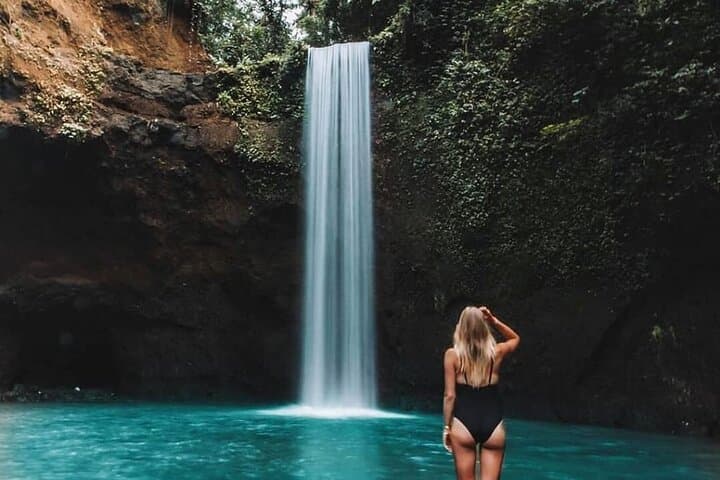
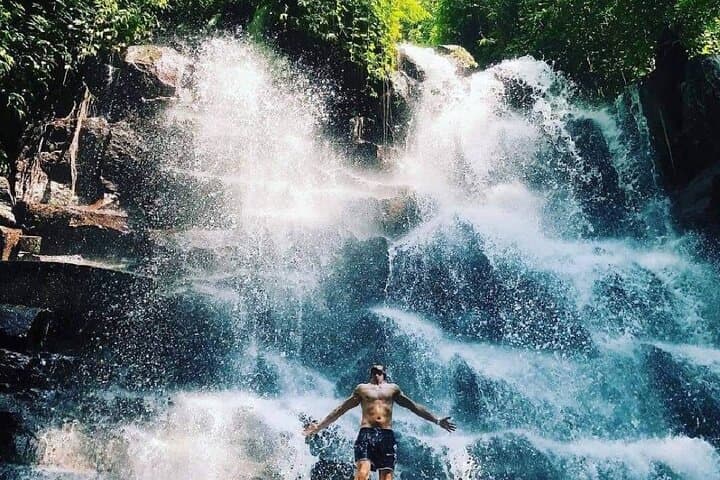
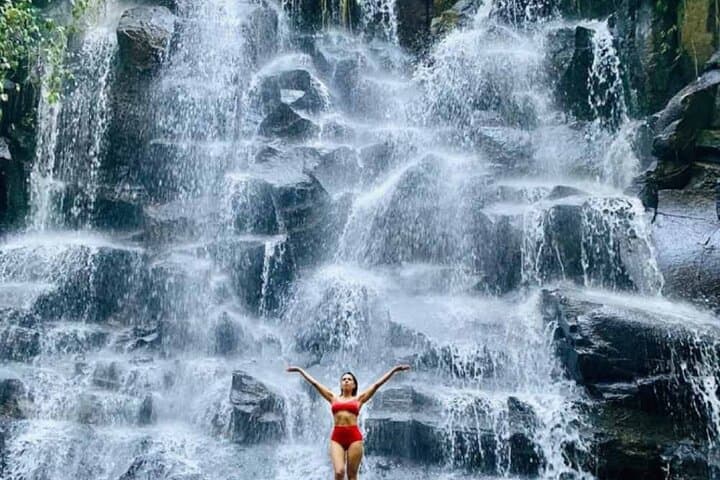
Geology here feels patient. The soft volcanic soils of central Bali let terraces be chiselled by generations, while waterfalls like Kanto Lampo and Tibumana show how rivers keep carving deeper: stepped basalt and limestone ledges, narrow gorges and plunge pools shaped by centuries of water and monsoon. Tukad Cepung is a different kind of show — a curtain of water dropped into a cavernous slit in the cliff so that sunlight threads through and strikes the spray in shafts, a photographer's reward midday.
Culture threads through every stop. The subak system — cooperative water management tied to Balinese Hindu practice — predates modern tourism and explains the neatness of the terraces you photograph. Coffee plantations along the route explain why Bali’s kopi sessions are as much about ritual as caffeine: local farmers will demonstrate traditional processing and offer tastings; sample, but be mindful of how products are sourced.
This private, full-day tour (about 10 hours) is paced to include short walks, stair descents and time in shallow water. So practical planning matters: wear grippy water shoes for slippery steps and river approaches, bring a dry bag for electronics, and carry cash for small souvenirs or extra drinks (many remote stalls don’t accept cards). Expect stairs at Tibumana and a 5–10 minute descent at Kanto Lampo; Tukad Cepung’s access involves uneven rock and a short scramble.
Timing tip: start early to catch Tegalalang before minibuses arrive; plan Tukad Cepung for late morning to early afternoon light; avoid the noon crush at Kanto Lampo by shifting lunch earlier or later. Hydrate often — humidity makes exertion feel heavier. Respect local spaces: modest dress when passing temples, avoid stepping on rice paddies and always leave no trace.
By the day’s end you’ll understand why Ubud’s landscapes are both scenic and worked — not static postcard views but living systems of farming, faith and flowing water. The tour hands you a practical route through those systems: photographs, dips in clear pools, a swing above the palms, and a day’s worth of context for why this corner of Bali still feels rooted to the land.
easy.
10 hours.
Suitable for travellers in average fitness—expect short stair descents, light walking, and some uneven terrain.
Yes — the tour includes entrance tickets for Kanto Lampo, Tibumana, Tukad Cepung and the rice terrace as listed in the itinerary.
Yes — hotel or villa pickup in Bali is arranged; timing is adjusted based on your location with about 60 minutes lead time before departure.
You can wade and swim at Kanto Lampo and Tibumana where safe; bring water shoes and be cautious of currents and slippery rocks.
Lunch at a local restaurant is included, and bottled water is supplied; bring snacks if you prefer specific dietary items.
This is a private full-day tour—about 10 hours—with multiple stops including Tegalalang, a coffee plantation, Kanto Lampo, Tibumana and Tukad Cepung.
The swing is operated by local staff with harnesses; participants with mobility or back issues should consult the guide before trying it.
The terraces are fed by a subak system — a cooperative irrigation network developed centuries ago and linked to Balinese Hindu temple rituals.
Respect rice paddies and riverbanks: stay on paths, avoid trampling plants and dispose of waste responsibly; small communities rely on tourism but also on clean water and soil.
Bali Sunrise Hike operates guided outdoor trips and adventures with an emphasis on safety, stewardship, and memorable experiences.
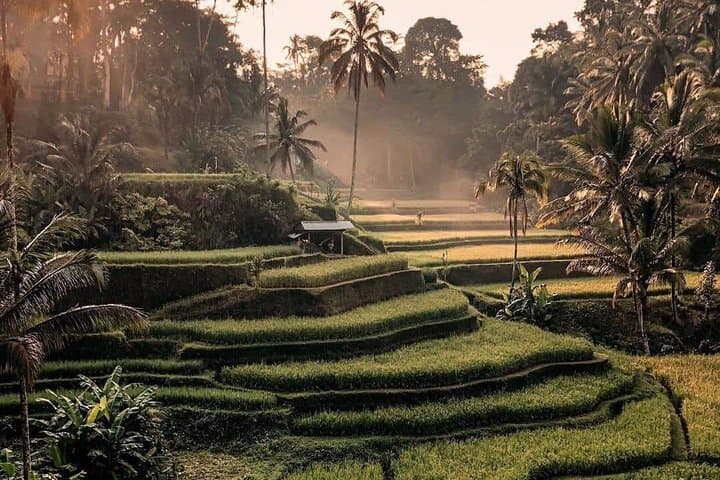
You step out of the van and the world immediately changes scale: terraces fold away in green bands, a river somewhere below is audible like a distant drum, and the air smells of wet earth and frying spices. The day begins in Tegalalang — where ancient subak irrigation channels carve clean lines across the hills and locals tend rice paddies that climb like staircases toward the skyline. From that high rim you swing out above palm crowns, the harness humming as the valley tests your balance and your camera appetites.
You step out of the van and the world immediately changes scale: terraces fold away in green bands, a river somewhere below is audible like a distant drum, and the air smells of wet earth and frying spices. The day begins in Tegalalang — where ancient subak irrigation channels carve clean lines across the hills and locals tend rice paddies that climb like staircases toward the skyline. From that high rim you swing out above palm crowns, the harness humming as the valley tests your balance and your camera appetites.
Geology here feels patient. The soft volcanic soils of central Bali let terraces be chiselled by generations, while waterfalls like Kanto Lampo and Tibumana show how rivers keep carving deeper: stepped basalt and limestone ledges, narrow gorges and plunge pools shaped by centuries of water and monsoon. Tukad Cepung is a different kind of show — a curtain of water dropped into a cavernous slit in the cliff so that sunlight threads through and strikes the spray in shafts, a photographer's reward midday.
Culture threads through every stop. The subak system — cooperative water management tied to Balinese Hindu practice — predates modern tourism and explains the neatness of the terraces you photograph. Coffee plantations along the route explain why Bali’s kopi sessions are as much about ritual as caffeine: local farmers will demonstrate traditional processing and offer tastings; sample, but be mindful of how products are sourced.
This private, full-day tour (about 10 hours) is paced to include short walks, stair descents and time in shallow water. So practical planning matters: wear grippy water shoes for slippery steps and river approaches, bring a dry bag for electronics, and carry cash for small souvenirs or extra drinks (many remote stalls don’t accept cards). Expect stairs at Tibumana and a 5–10 minute descent at Kanto Lampo; Tukad Cepung’s access involves uneven rock and a short scramble.
Timing tip: start early to catch Tegalalang before minibuses arrive; plan Tukad Cepung for late morning to early afternoon light; avoid the noon crush at Kanto Lampo by shifting lunch earlier or later. Hydrate often — humidity makes exertion feel heavier. Respect local spaces: modest dress when passing temples, avoid stepping on rice paddies and always leave no trace.
By the day’s end you’ll understand why Ubud’s landscapes are both scenic and worked — not static postcard views but living systems of farming, faith and flowing water. The tour hands you a practical route through those systems: photographs, dips in clear pools, a swing above the palms, and a day’s worth of context for why this corner of Bali still feels rooted to the land.