THE ADVENTURE COLLECTIVE® · Independent discovery and booking for outdoor travel

Trace Bergen’s classic mountain walk from Mt Ulriken to Mt Fløyen on a rugged 15-kilometer hike offering stunning fjord views, challenging terrain, and rich cultural stories. This private guided experience immerses you in Norway’s outdoor heritage with practical tips to prepare for one of the region’s most iconic routes.
Trace Bergen’s classic mountain walk from Mt Ulriken to Mt Fløyen on a rugged 15-kilometer hike offering stunning fjord views, challenging terrain, and rich cultural stories. This private guided experience immerses you in Norway’s outdoor heritage with practical tips to prepare for one of the region’s most iconic routes.
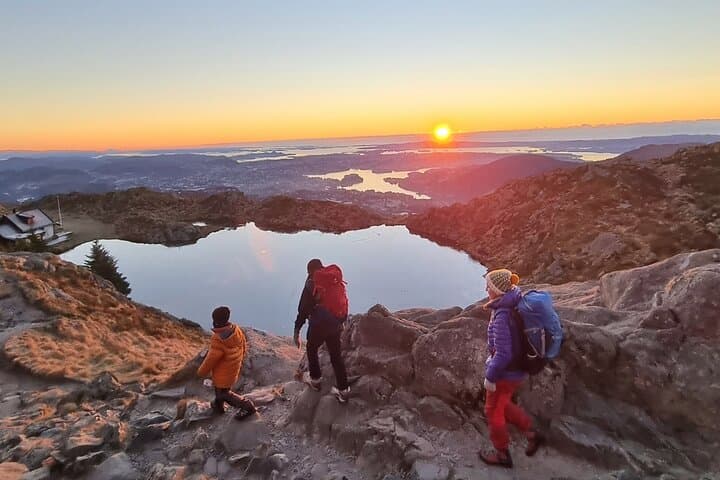
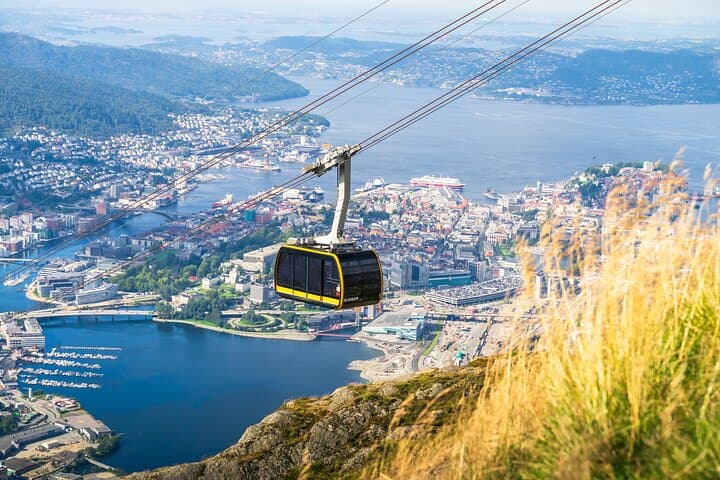
Starting the day atop Mt Ulriken, Bergen’s highest peak at 643 meters, the city sprawls beneath you like a living map edged by fjords and forests. The crisp Scandinavian air carries the salty scent of the Byfjord while distant seagulls circle overhead. This hike traces a 15-kilometer path from Mt Ulriken to Mt Fløyen, descending from winter’s lingering chill to the milder mountain below, threading through rugged, rocky terrain punctuated by patches of moor and heath.
Verified experiences and guided adventures in the surrounding area.
Operated by Norway Mountain Guides · Bergen, Vestland
Starting the day atop Mt Ulriken, Bergen’s highest peak at 643 meters, the city sprawls beneath you like a living map edged by fjords and forests. The crisp Scandinavian air carries the salty scent of the Byfjord while distant seagulls circle overhead. This hike traces a 15-kilometer path from Mt Ulriken to Mt Fløyen, descending from winter’s lingering chill to the milder mountain below, threading through rugged, rocky terrain punctuated by patches of moor and heath.
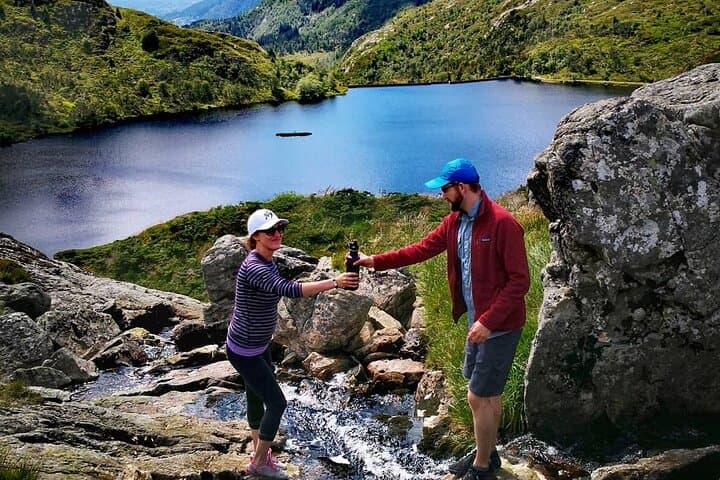
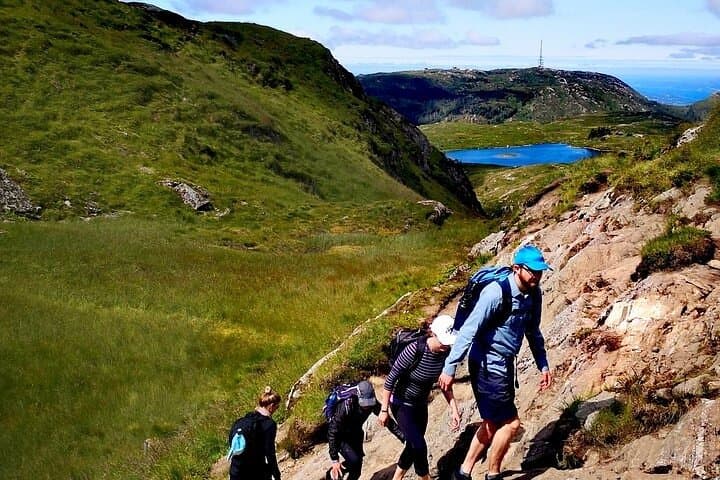
The route, known locally as “Vidden,” is both a rite of passage for Bergen residents and a vivid showcase of Norway’s fjordland geography. The path hugs ridgelines carved by ancient glaciers, offering sweeping views of the seven mountains that encircle the city. Starting at the cable car top station on Ulriken, hikers navigate uneven ground that tests balance and endurance, with occasional muddy segments where streams dare you to find your footing.
Historically, these mountains guided travelers and fishermen, connecting settlements long before roads and rail. The culture of friluftsliv — Norway's deep-rooted outdoor tradition — pulses here, encouraging respect for nature, perseverance, and community. Along the way, guides share stories about Bergen's maritime legacy and how outdoor pursuits remain intertwined with local identity.
Practical planning is essential for this demanding route. The 15-kilometer trek, with a net elevation change from 643 to 300 meters, takes roughly 6 to 7 hours including breaks. Sturdy, waterproof boots are non-negotiable for the rocky and at times slippery terrain, while layered clothing shields against sudden weather swings common in coastal Norway. Carry sufficient water — refill stations are limited, though you can refill at Ulriken — plus snacks and a packed lunch to sustain energy.
The hike finishes at Mt Fløyen, 300 meters high, where the funicular offers a swift, scenic ride back to Bergen’s city center. Starting early around 9:30 a.m. is advisable to enjoy daylight and avoid afternoon cloud build-up. This trek suits experienced hikers comfortable with sustained steep and uneven paths; it’s not recommended for those with cardiovascular issues.
For travelers prepared to match nature’s pace and mood, Bergen’s Vidden route presents a vivid chapter of Norway’s dramatic outdoors — a blend of physical challenge, sweeping panoramas, and cultural insight. The mountains don’t just overlook the city, they demand engagement and reward perseverance with a sense of connection few urban hikes can rival.
challenging.
6–7 hours.
Good physical fitness is required; hikers should be accustomed to sustained uphill and downhill trekking on rough terrain.
No, this is a challenging 15 km hike with uneven terrain and significant elevation change, best suited for experienced hikers in good physical shape.
Yes, you should bring your own snacks and water, as there are limited opportunities to refill or buy food along the route except at the start.
Weather can change rapidly with wind and rain common, so layered waterproof clothing and warm accessories are recommended year-round.
No, there are no toilets or food service cabins on the trail, so plan accordingly before starting.
Yes, the meeting point in Bergen provides access to buses that connect to the cable car station leading up to Mt Ulriken.
While the trail is marked, a guided hike is recommended for safety due to the challenging terrain and variable weather conditions.
The seven mountains around Bergen have guided coastal communities for centuries and are central to Norway’s friluftsliv outdoor lifestyle.
Hiking here emphasizes low-impact trekking to preserve delicate alpine vegetation and natural waterways amid growing tourist interest.
Norway Mountain Guides operates guided outdoor trips and adventures with an emphasis on safety, stewardship, and memorable experiences.
Starting the day atop Mt Ulriken, Bergen’s highest peak at 643 meters, the city sprawls beneath you like a living map edged by fjords and forests. The crisp Scandinavian air carries the salty scent of the Byfjord while distant seagulls circle overhead. This hike traces a 15-kilometer path from Mt Ulriken to Mt Fløyen, descending from winter’s lingering chill to the milder mountain below, threading through rugged, rocky terrain punctuated by patches of moor and heath.
Starting the day atop Mt Ulriken, Bergen’s highest peak at 643 meters, the city sprawls beneath you like a living map edged by fjords and forests. The crisp Scandinavian air carries the salty scent of the Byfjord while distant seagulls circle overhead. This hike traces a 15-kilometer path from Mt Ulriken to Mt Fløyen, descending from winter’s lingering chill to the milder mountain below, threading through rugged, rocky terrain punctuated by patches of moor and heath.
The route, known locally as “Vidden,” is both a rite of passage for Bergen residents and a vivid showcase of Norway’s fjordland geography. The path hugs ridgelines carved by ancient glaciers, offering sweeping views of the seven mountains that encircle the city. Starting at the cable car top station on Ulriken, hikers navigate uneven ground that tests balance and endurance, with occasional muddy segments where streams dare you to find your footing.
Historically, these mountains guided travelers and fishermen, connecting settlements long before roads and rail. The culture of friluftsliv — Norway's deep-rooted outdoor tradition — pulses here, encouraging respect for nature, perseverance, and community. Along the way, guides share stories about Bergen's maritime legacy and how outdoor pursuits remain intertwined with local identity.
Practical planning is essential for this demanding route. The 15-kilometer trek, with a net elevation change from 643 to 300 meters, takes roughly 6 to 7 hours including breaks. Sturdy, waterproof boots are non-negotiable for the rocky and at times slippery terrain, while layered clothing shields against sudden weather swings common in coastal Norway. Carry sufficient water — refill stations are limited, though you can refill at Ulriken — plus snacks and a packed lunch to sustain energy.
The hike finishes at Mt Fløyen, 300 meters high, where the funicular offers a swift, scenic ride back to Bergen’s city center. Starting early around 9:30 a.m. is advisable to enjoy daylight and avoid afternoon cloud build-up. This trek suits experienced hikers comfortable with sustained steep and uneven paths; it’s not recommended for those with cardiovascular issues.
For travelers prepared to match nature’s pace and mood, Bergen’s Vidden route presents a vivid chapter of Norway’s dramatic outdoors — a blend of physical challenge, sweeping panoramas, and cultural insight. The mountains don’t just overlook the city, they demand engagement and reward perseverance with a sense of connection few urban hikes can rival.