THE ADVENTURE COLLECTIVE® · Independent discovery and booking for outdoor travel

Spend a long day traveling from Sofia to the otherworldly Belogradchik Rocks, then climb the centuries-old fortress that threads the stone. This full-day trip pairs dramatic geology with Roman-era history and an optional short hike through sculpted cliffs.
Spend a long day traveling from Sofia to the otherworldly Belogradchik Rocks, then climb the centuries-old fortress that threads the stone. This full-day trip pairs dramatic geology with Roman-era history and an optional short hike through sculpted cliffs.
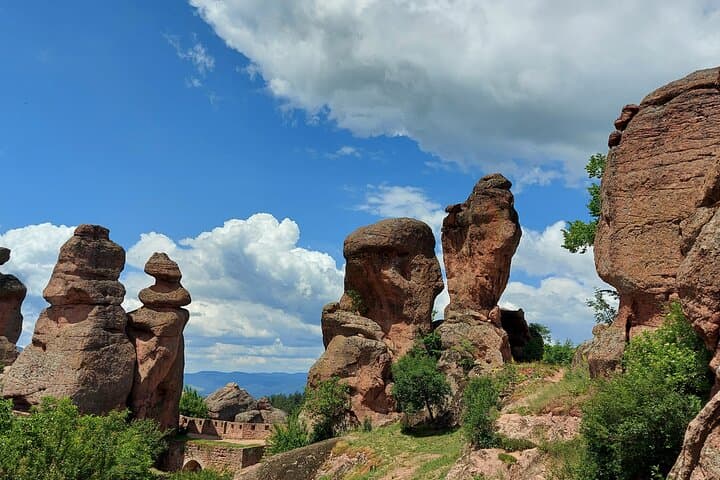
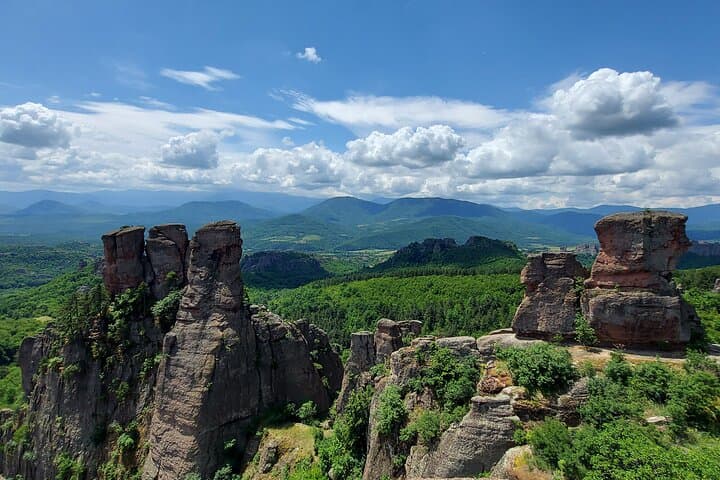
You arrive before the sun burns off the morning mist and the chalky cliffs are still cool to the eye—rows of sandstone spires rise like an ancient audience, watching the valley below. The road from Sofia unfurls through low hills and farmland; by midmorning the bus eases into Belogradchik and the rocks begin to reveal faces: the Madonna, the Eagle, the Schoolgirl. Guides point and prompt imagination, but the formations don’t need names to demand attention—wind and water have been chiseling them for millions of years, and they still feel active, as if the stone might shift under your feet.
Verified experiences and guided adventures in the surrounding area.
Operated by Multi Travel Bulgaria · Belogradchik, Vidin Province
You arrive before the sun burns off the morning mist and the chalky cliffs are still cool to the eye—rows of sandstone spires rise like an ancient audience, watching the valley below. The road from Sofia unfurls through low hills and farmland; by midmorning the bus eases into Belogradchik and the rocks begin to reveal faces: the Madonna, the Eagle, the Schoolgirl. Guides point and prompt imagination, but the formations don’t need names to demand attention—wind and water have been chiseling them for millions of years, and they still feel active, as if the stone might shift under your feet.
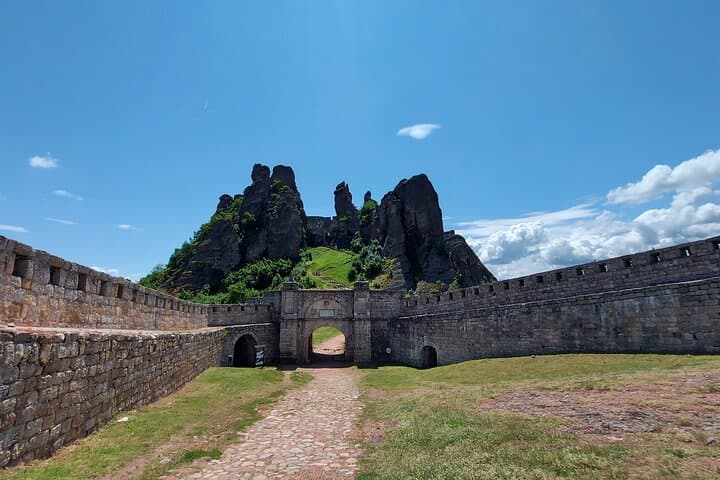
This is a day that balances spectacle with history. The Belogradchik Rocks are a product of Cretaceous sandstone layered and then sheared by tectonic movement; differential erosion left the harder bands standing while softer material wore away. The result is a landscape of isolated, sometimes oddly anthropomorphic pinnacles that Bulgarians wired into folklore for centuries. Perched amid the rocks is Belogradchik Fortress (Kaleto), a Roman and later Ottoman stronghold whose stone ramparts and stairways were reused and reinforced through medieval and modern conflicts. From the fortress parapets, the rocks look less like curiosities and more like a deliberate fortification, a natural citadel augmented by human hands.
Local life around Belogradchik is quietly rural—vineyards, small bakeries, and cafes where shepherds still stop for a midday banitsa. Guides will often weave these cultural notes into the tour: which families tend the vineyards, where the best canned peppers are made, and how the rocks have shaped regional identity. Conservation efforts are modest but active; the site is managed to limit climbing on fragile formations and to preserve the fortress’s masonry.
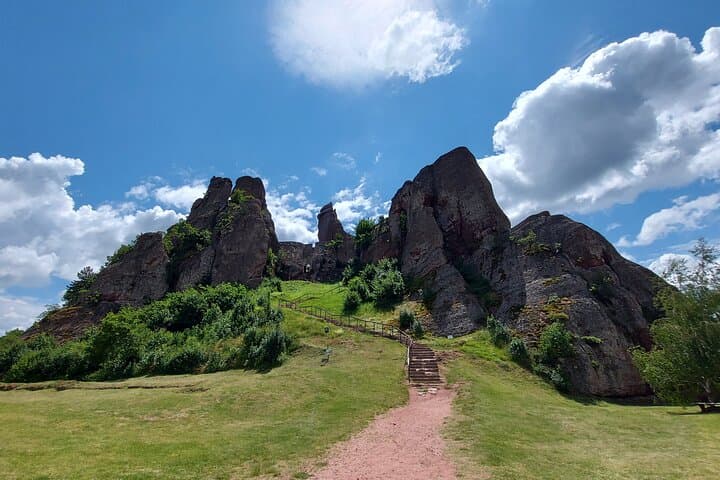
Practicalities: the tour is a long day—expect 10–11 hours total including roughly three hours each way of driving from Sofia. Time on-site typically includes a 60–90 minute fortress visit and an hour at the main rock viewpoints. An optional 45-minute downhill hike around the rocks covers roughly 2–3 km with about 100–150 m of elevation change on uneven, rocky trails—good walking shoes are essential. The fortress requires climbing stone steps to reach the highest bastions (some sections are steep, narrow, and exposed).
Bring water (there’s a midday lunch stop but limited on-trail options), sun protection, and layered clothing—the valley can be warm at noon and brisk in the wind. Aim for an early departure to maximize light for photos and quieter trails. For travelers who prefer to sit back, much of the drama is visible from the viewpoints; for those who like to move, the short hike and fortress stairs deliver tactile, memorable contact with both landscape and history.
easy.
10–11 hours.
Suitable for travelers in average fitness—must handle stairs and short uneven hikes; long day of travel.
Expect about 3 hours each way depending on traffic—total tour time is roughly 10–11 hours including stops.
The optional hike is an easy to moderate downhill loop of about 2–3 km with uneven terrain and ~100–150 m descent; it’s suitable for most walkers wearing proper shoes.
Admission to the fortress is typically not included; check booking details and bring cash or card for local entry fees.
Yes—physically fit children and elderly travelers can join, but those with serious mobility issues may struggle with fortress stairs and uneven paths.
Yes—hotel pickup in central Sofia is offered; your booking will ask for a pickup point or contact to arrange specifics.
A wide-angle lens captures the scale of the rocks; a telephoto helps isolate formations. Early morning or late afternoon light is best for contrast and color.
Belogradchik Fortress has Roman foundations later expanded by medieval and Ottoman builders; its walls integrate natural rock outcrops into the defensive layout.
Visitor management focuses on limiting direct access to the most fragile formations and maintaining the fortress masonry; stick to marked trails to reduce erosion and damage.
Multi Travel Bulgaria operates guided outdoor trips and adventures with an emphasis on safety, stewardship, and memorable experiences.
You arrive before the sun burns off the morning mist and the chalky cliffs are still cool to the eye—rows of sandstone spires rise like an ancient audience, watching the valley below. The road from Sofia unfurls through low hills and farmland; by midmorning the bus eases into Belogradchik and the rocks begin to reveal faces: the Madonna, the Eagle, the Schoolgirl. Guides point and prompt imagination, but the formations don’t need names to demand attention—wind and water have been chiseling them for millions of years, and they still feel active, as if the stone might shift under your feet.
You arrive before the sun burns off the morning mist and the chalky cliffs are still cool to the eye—rows of sandstone spires rise like an ancient audience, watching the valley below. The road from Sofia unfurls through low hills and farmland; by midmorning the bus eases into Belogradchik and the rocks begin to reveal faces: the Madonna, the Eagle, the Schoolgirl. Guides point and prompt imagination, but the formations don’t need names to demand attention—wind and water have been chiseling them for millions of years, and they still feel active, as if the stone might shift under your feet.
This is a day that balances spectacle with history. The Belogradchik Rocks are a product of Cretaceous sandstone layered and then sheared by tectonic movement; differential erosion left the harder bands standing while softer material wore away. The result is a landscape of isolated, sometimes oddly anthropomorphic pinnacles that Bulgarians wired into folklore for centuries. Perched amid the rocks is Belogradchik Fortress (Kaleto), a Roman and later Ottoman stronghold whose stone ramparts and stairways were reused and reinforced through medieval and modern conflicts. From the fortress parapets, the rocks look less like curiosities and more like a deliberate fortification, a natural citadel augmented by human hands.
Local life around Belogradchik is quietly rural—vineyards, small bakeries, and cafes where shepherds still stop for a midday banitsa. Guides will often weave these cultural notes into the tour: which families tend the vineyards, where the best canned peppers are made, and how the rocks have shaped regional identity. Conservation efforts are modest but active; the site is managed to limit climbing on fragile formations and to preserve the fortress’s masonry.
Practicalities: the tour is a long day—expect 10–11 hours total including roughly three hours each way of driving from Sofia. Time on-site typically includes a 60–90 minute fortress visit and an hour at the main rock viewpoints. An optional 45-minute downhill hike around the rocks covers roughly 2–3 km with about 100–150 m of elevation change on uneven, rocky trails—good walking shoes are essential. The fortress requires climbing stone steps to reach the highest bastions (some sections are steep, narrow, and exposed).
Bring water (there’s a midday lunch stop but limited on-trail options), sun protection, and layered clothing—the valley can be warm at noon and brisk in the wind. Aim for an early departure to maximize light for photos and quieter trails. For travelers who prefer to sit back, much of the drama is visible from the viewpoints; for those who like to move, the short hike and fortress stairs deliver tactile, memorable contact with both landscape and history.