THE ADVENTURE COLLECTIVE® · Independent discovery and booking for outdoor travel

Float from tranquil pools into playful Class II–III rapids on the Jangkok (Batu Mekar) River—an ideal two-hour rafting run for families and beginners that threads rice fields, rain forest edges, and Sasak villages.
Float from tranquil pools into playful Class II–III rapids on the Jangkok (Batu Mekar) River—an ideal two-hour rafting run for families and beginners that threads rice fields, rain forest edges, and Sasak villages.
The raft slips from the bank and the river takes over—clear, cool water threading through folded green hills and neat rice terraces. Birdsong and the distant thud of villagers tending paddies give the first half-hour a domestic calm; then the Jangkok nudges the boat, offers a playful push, and the guides call commands that convert nervous laughter into a steady stroke. Over 6.5 kilometers you’ll move between wide, swim-friendly pools and short streaks of white water that rise to class II–III—enough to raise your pulse without demanding technical runs.
Verified experiences and guided adventures in the surrounding area.
Operated by Lombok TripVaganza · Senggigi, West Nusa Tenggara
The raft slips from the bank and the river takes over—clear, cool water threading through folded green hills and neat rice terraces. Birdsong and the distant thud of villagers tending paddies give the first half-hour a domestic calm; then the Jangkok nudges the boat, offers a playful push, and the guides call commands that convert nervous laughter into a steady stroke. Over 6.5 kilometers you’ll move between wide, swim-friendly pools and short streaks of white water that rise to class II–III—enough to raise your pulse without demanding technical runs.
The route around Batu Mekar cuts through a landscape shaped by Lombok’s volcanic past. Rivers like the Jangkok have carved shallow gorges through ash and basalt, then slowed to irrigate the island’s flat rice fields. The human story here is visible on the terraces and in roadside homestays: the Sasak people have farmed these valleys for generations, and you’ll pass small shrines, woven mats drying in the sun, and children waving from bamboo bridges.
Geology and culture conspire to keep this river approachable. Sediment-laden during the monsoon, it clears quickly in the dry months; rocky shoals and fallen logs create short, punchy rapids rather than sustained drops. Guides from Batu Mekar base their run times on recent flows and guest ability, and they’ll brief you on paddling technique and re-entry drills before you push off.
For travelers, the attraction is practical as much as scenic: two hours on the water, an easy pickup from Senggigi or Mataram, and a compact itinerary that works as a morning excursion between beach days or mountain treks. Expect bottled water, tea and coffee at basecamp, snacks and a simple lunch after the run. Standard helmets and life jackets are included; local staff are trained for family groups and beginners.
Plan for sun and sudden splashes. Wear quick-dry layers and water shoes with good soles; leave valuables behind or seal them in a dry bag. Morning light is soft on the rice paddies and keeps the river cooler; late-afternoon runs can be warm and luminous but bring more insects. If rain has been heavy, conditions intensify—ask the operator about current river levels and whether the route has changed.
Batu Mekar rafting delivers a readable taste of Lombok: a river that dares you to play, rice fields that absorb the island’s rhythms, and guides who move between safety and local knowledge. It’s not about conquering a wild gorge; it’s about a short, well-managed burst of motion that leaves you damp, smiling, and closer to the island’s everyday life.
moderate.
2–2.5 hours.
Moderate fitness; able to paddle for sustained short bursts, climb in/out of the raft, and comfortable in moving water.
Children are typically welcome but age limits vary by operator; confirm when booking—families with young children are usually accommodated with calm sections and guide support.
The river route is about 6.5 km and the activity lasts roughly 2–2.5 hours; include travel and prep time for a half-day outing.
Yes—standard rafting equipment including life jackets and helmets are supplied and fitted by staff at the basecamp.
Beginners can join; non-swimmers should be comfortable wearing a life jacket in moving water and follow guide instructions closely.
High flows can alter difficulty; operators may adjust the route or cancel if conditions are unsafe—check cancelation and refund policies at booking.
Pickup from hotels in Mataram and Senggigi is commonly offered—confirm your pickup point during booking to arrange transfers.
The valleys of west Lombok have long-supported rice cultivation by Sasak communities; rivers like the Jangkok historically powered irrigation and local mills.
Local operators emphasize leaving no trace and minimizing plastic waste; choose providers who use biodegradable sunscreen guidance and limit noise during sensitive wildlife stretches.
Lombok TripVaganza operates guided outdoor trips and adventures with an emphasis on safety, stewardship, and memorable experiences.
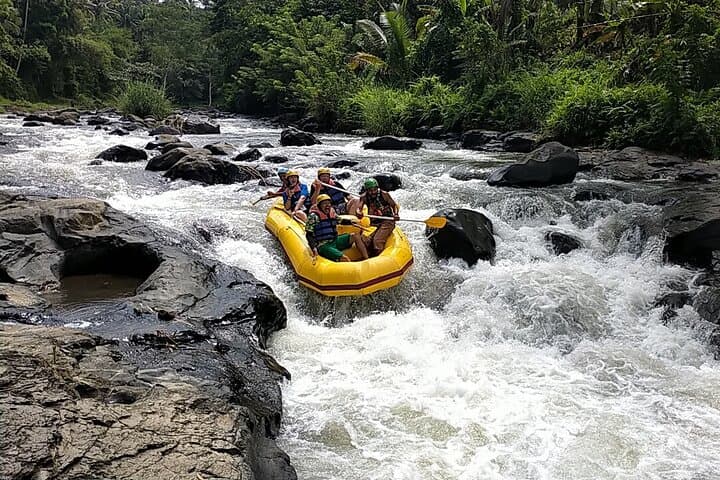
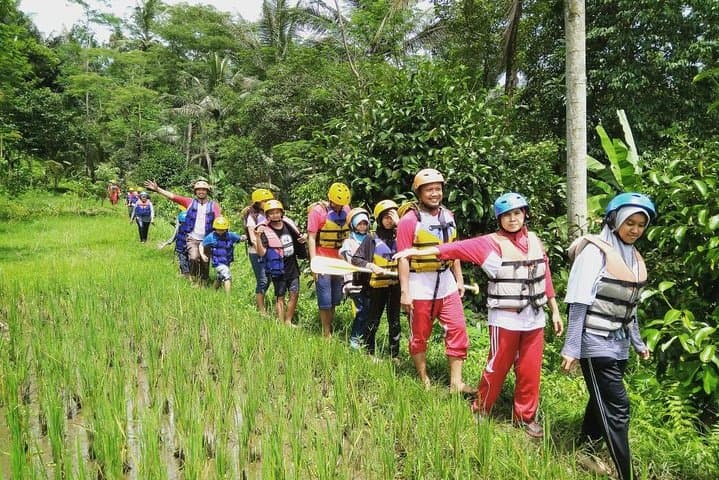
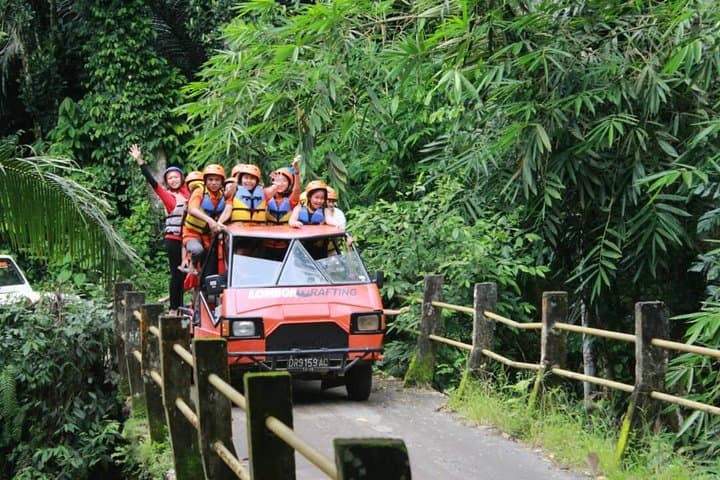
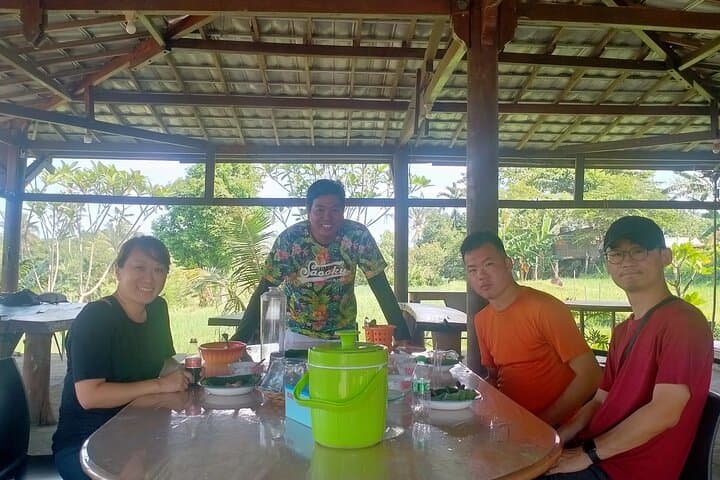
The raft slips from the bank and the river takes over—clear, cool water threading through folded green hills and neat rice terraces. Birdsong and the distant thud of villagers tending paddies give the first half-hour a domestic calm; then the Jangkok nudges the boat, offers a playful push, and the guides call commands that convert nervous laughter into a steady stroke. Over 6.5 kilometers you’ll move between wide, swim-friendly pools and short streaks of white water that rise to class II–III—enough to raise your pulse without demanding technical runs.
The raft slips from the bank and the river takes over—clear, cool water threading through folded green hills and neat rice terraces. Birdsong and the distant thud of villagers tending paddies give the first half-hour a domestic calm; then the Jangkok nudges the boat, offers a playful push, and the guides call commands that convert nervous laughter into a steady stroke. Over 6.5 kilometers you’ll move between wide, swim-friendly pools and short streaks of white water that rise to class II–III—enough to raise your pulse without demanding technical runs.
The route around Batu Mekar cuts through a landscape shaped by Lombok’s volcanic past. Rivers like the Jangkok have carved shallow gorges through ash and basalt, then slowed to irrigate the island’s flat rice fields. The human story here is visible on the terraces and in roadside homestays: the Sasak people have farmed these valleys for generations, and you’ll pass small shrines, woven mats drying in the sun, and children waving from bamboo bridges.
Geology and culture conspire to keep this river approachable. Sediment-laden during the monsoon, it clears quickly in the dry months; rocky shoals and fallen logs create short, punchy rapids rather than sustained drops. Guides from Batu Mekar base their run times on recent flows and guest ability, and they’ll brief you on paddling technique and re-entry drills before you push off.
For travelers, the attraction is practical as much as scenic: two hours on the water, an easy pickup from Senggigi or Mataram, and a compact itinerary that works as a morning excursion between beach days or mountain treks. Expect bottled water, tea and coffee at basecamp, snacks and a simple lunch after the run. Standard helmets and life jackets are included; local staff are trained for family groups and beginners.
Plan for sun and sudden splashes. Wear quick-dry layers and water shoes with good soles; leave valuables behind or seal them in a dry bag. Morning light is soft on the rice paddies and keeps the river cooler; late-afternoon runs can be warm and luminous but bring more insects. If rain has been heavy, conditions intensify—ask the operator about current river levels and whether the route has changed.
Batu Mekar rafting delivers a readable taste of Lombok: a river that dares you to play, rice fields that absorb the island’s rhythms, and guides who move between safety and local knowledge. It’s not about conquering a wild gorge; it’s about a short, well-managed burst of motion that leaves you damp, smiling, and closer to the island’s everyday life.